

eastern shrike-tit vs northern shrike-tit
Falcunculus frontatus versus Falcunculus whitei
Jogue um quiz com eastern shrike-tit e northern shrike-tit
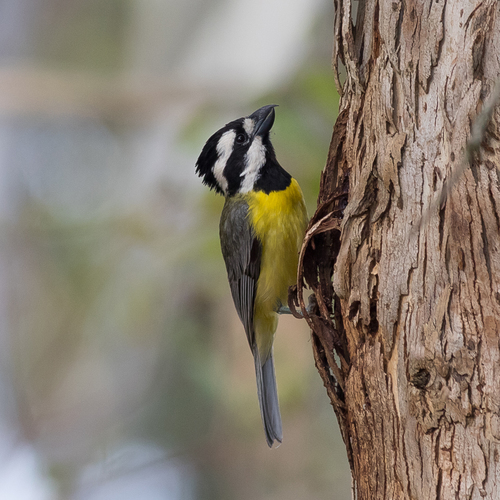 eastern shrike-tit
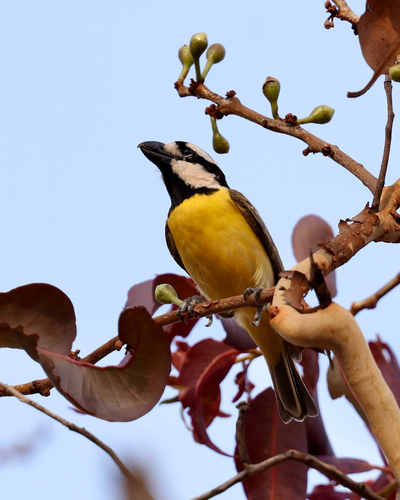 northern shrike-tit
Em resumo
A marca de campo mais confiável entre eastern shrike-tit e northern shrike-tit é o padrão das asas e coberturas: northern shrike-tit apresenta largas bordas amarelas nas asas e coberturas marrom-acinzentadas, enquanto eastern shrike-tit tem partes superiores de oliva-marrom a oliva-verde e não possui essas bordas amarelas. Os juvenis de eastern shrike-tit têm partes inferiores amareladas e asas mais marrons, mas ainda carecem das asas com bordas amarelas do northern. Ambas as espécies compartilham um padrão de cabeça preto e branco ousado e um bico forte, mas suas distribuições não se sobrepõem: eastern é encontrado no sudeste da Austrália, northern no extremo noroeste. Se você ver um shrike-tit com largas bordas amarelas nas asas, é northern; caso contrário, verifique a distribuição e a cor das coberturas para confirmação.
Dicas de identificação
- Largas bordas amarelas nas asas (apenas Northern): Se você ver um shrike-tit com bordas amarelas óbvias nas asas, especialmente em voo ou quando empoleirado com as asas fechadas, é um northern shrike-tit. Esta é a marca mais diagnóstica para todas as idades.
- Coberturas marrom-acinzentadas (Northern): Northern apresenta coberturas marrom-acinzentadas, contrastando com as partes superiores de oliva-marrom a oliva-verde do eastern. Procure por isso em aves empoleiradas ou em boas vistas de voo.
- Partes superiores de oliva-marrom/oliva-verde (Eastern): Eastern não possui as bordas amarelas nas asas e tem partes superiores mais uniformemente olivas. Se as asas se misturarem com as costas e não tiverem bordas amarelas, é provavelmente eastern.
- Partes inferiores juvenis (Eastern): Juvenis de eastern shrike-tit têm gargantas, peitos e barrigas brancos-amarelados, e asas mais marrons, mas ainda carecem de bordas amarelas nas asas. Isso ajuda a separar juvenis de eastern de northern de qualquer idade.
- Padrão da cabeça (ambas): Ambas as espécies têm um padrão de cabeça preto e branco ousado com uma linha ocular preta espessa e faixa na coroa. Isso não é útil para separação.
- Cor da garganta (Eastern): O macho de eastern tem uma garganta preta, a fêmea tem oliva-marrom. A cor da garganta do northern não é descrita como distintiva, então use com cautela.
- Tamanho e forma do bico (ambas): Ambas têm um bico grande e forte para descascar cascas. Não é diagnóstico entre essas duas.
- Cresta (Eastern): O macho de eastern pode mostrar uma crista eretável, mas isso não é descrito para o northern. Use apenas como evidência de apoio.
- Cor das partes inferiores (Eastern): Eastern tem partes inferiores amarelas brilhantes; as partes inferiores do northern não são descritas em detalhes, mas as bordas amarelas nas asas são mais confiáveis.
- Distribuição/localização: Se você está no sudeste da Austrália, você está quase certamente vendo um eastern shrike-tit. No Kimberley ou Top End, é um northern. Não há sobreposição normal em suas distribuições.
- Habitat: Ambas ocorrem em bosques e florestas, então o tipo de habitat não é diagnóstico, mas a localização geográfica é.
- Comportamento de forrageio: Ambas as espécies forrageiam descascando cascas, mas apenas o eastern é notado por uso de ferramentas. Isso é raramente visto e não é uma marca de campo confiável.
- Tamanho: Ambas são semelhantes em tamanho e estrutura; não confie no tamanho para separação.
- Vistas de voo: Em voo, procure por bordas amarelas nas asas (Northern) versus asas uniformemente oliva-marrom/verdes (Eastern). Juvenis de eastern podem ter asas mais marrons, mas ainda carecem de bordas amarelas.
- Sexo e idade: Diferenças sexuais (garganta preta vs oliva-marrom em Eastern) podem ajudar dentro do eastern, mas não entre as espécies. Marcas relacionadas à idade são mais úteis para juvenis de eastern em comparação com todos os northern.
Tamanho
Eastern shrike-tit tem uma média de cerca de 28 g de massa corporal, com machos chegando a até 40 g e fêmeas tão baixas quanto 23 g [wikidata]. Não há dados diretos de massa disponíveis para northern shrike-tit, mas ambos são semelhantes em tamanho e estrutura geral, sem uma separação forte baseada em tamanho no campo. O comprimento e a envergadura também são semelhantes, então o tamanho não é uma característica de distinção confiável.
Plumagem
Os juvenis de eastern shrike-tit têm gargantas, peitos e barrigas brancos-amarelados, e suas asas são mais marrons do que os adultos, mas não apresentam as largas bordas amarelas do northern shrike-tit. O adulto eastern shrike-tit tem manto, costas e rabo de oliva-marrom a oliva-verde, partes inferiores amarelas brilhantes e um padrão de cabeça preto e branco impressionante com uma linha ocular preta espessa e faixa na coroa. Machos têm garganta preta, fêmeas oliva-marrom. Northern shrike-tit é distinguido por largas bordas amarelas nas asas e coberturas marrom-acinzentadas, que estão ausentes no eastern. Ambos têm um bico grande e forte e padrões de cabeça semelhantes, mas a cor das coberturas e das bordas das asas são fundamentais. O western shrike-tit (não nesta comparação) mostraria uma barriga branca e remiges com bordas amarelas, mas as bordas amarelas do northern são únicas entre esses dois.
Comportamento
Ambas as espécies forrageiam na copa das árvores, frequentemente em pares ou pequenos grupos, usando seus bicos fortes para descascar cascas em busca de insetos. Eastern shrike-tit é notado por uso ocasional de ferramentas (usando galhos para extrair presas), mas isso não é descrito para o northern. O estilo de forrageio e o movimento são, de outra forma, muito semelhantes e não separáveis de forma confiável no campo.
Habitat
Eastern shrike-tit é encontrado no sudeste da Austrália, incluindo o sudeste da Austrália do Sul, Victoria, leste de Nova Gales do Sul e sudeste de Queensland, com alguns registros esparsos mais ao norte e a oeste. Northern shrike-tit é restrito à região de Kimberley, no noroeste da Austrália, e ao Top End do Território do Norte. Não há sobreposição em suas distribuições normais, então a localização é uma pista forte: shrike-tits no sudeste são eastern, aqueles no extremo noroeste são northern.
eastern shrike-tit · northern shrike-tit · Minhas aves difíceis