

Eastern Shrike-tit vs Northern Shrike-tit
Falcunculus frontatus contro Falcunculus whitei
Fai un quiz con Eastern Shrike-tit e Northern Shrike-tit
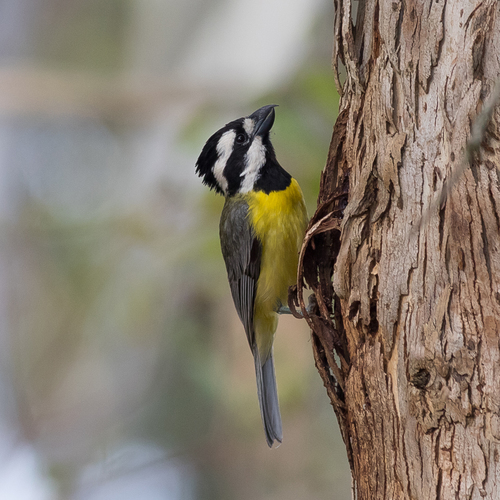 Eastern Shrike-tit
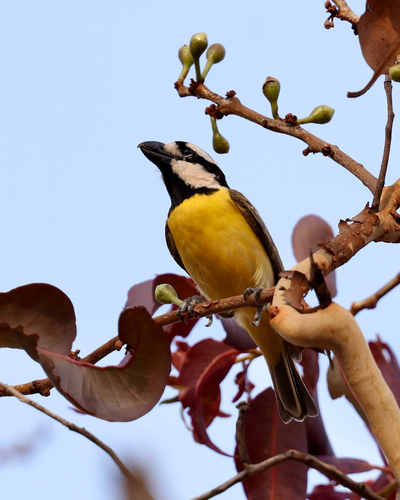 Northern Shrike-tit
In breve
Il segno distintivo più affidabile tra Eastern Shrike-tit e Northern Shrike-tit è il modello delle ali e delle copritrici: Northern Shrike-tit mostra ampi margini gialli sulle ali e copritrici grigio-brune, mentre Eastern Shrike-tit ha parti superiori di colore oliva-bruno a oliva-verde e manca di questi bordi gialli. I giovani di Eastern Shrike-tit hanno parti inferiori color crema e ali più brune, ma mancano ancora delle ali con margini gialli di Northern. Entrambe le specie condividono un audace modello di testa bianco e nero e un becco robusto, ma i loro areali non si sovrappongono: Eastern si trova nel sud-est dell'Australia, Northern nel far nord-ovest. Se vedi un shrike-tit con ampi margini gialli sulle ali, è Northern; altrimenti, controlla l'areale e il colore delle copritrici per conferma.
Consigli di identificazione
- Ampie margini gialli sulle ali (solo Northern): Se vedi uno shrike-tit con evidenti bordi gialli sulle ali, specialmente in volo o quando è posato con le ali chiuse, è Northern Shrike-tit. Questo è il segno diagnostico per tutte le età.
- Copritrici grigio-brune (Northern): Northern mostra copritrici grigio-brune, in contrasto con le parti superiori di colore oliva-bruno a oliva-verde di Eastern. Cerca questo su uccelli posati o in buone viste di volo.
- Parti superiori oliva-bruno/olive-green (Eastern): Eastern manca dei margini gialli sulle ali e ha parti superiori più uniformemente olive. Se le ali si fondono con il dorso e mancano di bordi gialli, è probabile che sia Eastern.
- Parti inferiori giovanili (Eastern): I giovani Eastern Shrike-tit hanno gole, petto e ventre color crema, e ali più brune, ma mancano ancora di margini gialli sulle ali. Questo aiuta a separare i giovani Eastern da Northern di qualsiasi età.
- Modello della testa (entrambi): Entrambe le specie hanno un audace modello di testa bianco e nero con una spessa linea nera sugli occhi e una striscia sulla corona. Questo non è utile per la separazione.
- Colore della gola (Eastern): Il maschio Eastern ha una gola nera, la femmina ha una gola oliva-bruna. Il colore della gola di Northern non è descritto come distintivo, quindi usalo con cautela.
- Dimensione e forma del becco (entrambi): Entrambi hanno un becco grande e robusto per la rimozione della corteccia. Non è diagnostico tra questi due.
- Cresta (Eastern): Il maschio Eastern può mostrare una cresta erettile, ma questo non è descritto per Northern. Usalo solo come prova di supporto.
- Colore delle parti inferiori (Eastern): Eastern ha parti inferiori di un giallo brillante; le parti inferiori di Northern non sono descritte in dettaglio, ma i margini gialli delle ali sono più affidabili.
- Areale/localizzazione: Se ti trovi nel sud-est dell'Australia, stai quasi certamente vedendo Eastern Shrike-tit. Nella Kimberley o nel Top End, è Northern. Non c'è sovrapposizione normale dei loro areali.
- Habitat: Entrambi si trovano in boschi e foreste, quindi il tipo di habitat non è diagnostico, ma la posizione geografica lo è.
- Comportamento di foraggiamento: Entrambe le specie foraggiano rimuovendo la corteccia, ma solo Eastern è noto per l'uso di strumenti. Questo è raramente visto e non è un segno di campo affidabile.
- Dimensione: Entrambi sono simili in dimensione e struttura; non fare affidamento sulla dimensione per la separazione.
- Viste in volo: In volo, cerca margini gialli sulle ali (Northern) rispetto a ali uniformemente oliva-bruno/verde (Eastern). I giovani Eastern possono avere ali più brune ma mancano ancora di bordi gialli.
- Sesso e età: Le differenze sessuali (gola nera vs oliva-bruna in Eastern) possono aiutare all'interno di Eastern, ma non tra le specie. I segni legati all'età sono più utili per i giovani Eastern rispetto a tutti i Northern.
Taglia
Eastern Shrike-tit ha una massa corporea media di circa 28 g, con i maschi che raggiungono fino a 40 g e le femmine che arrivano a 23 g [wikidata]. Non sono disponibili dati diretti sulla massa per Northern Shrike-tit, ma entrambi sono simili in dimensione e struttura complessiva, senza una forte separazione basata sulla dimensione sul campo. La lunghezza e l'apertura alare sono anche simili, quindi la dimensione non è una caratteristica distintiva affidabile.
Piumaggio
I giovani di Eastern Shrike-tit hanno gole, petto e ventre color crema, e le loro ali sono più brune rispetto agli adulti, ma non mostrano i larghi margini gialli di Northern Shrike-tit. L'adulto Eastern Shrike-tit ha un mantello di colore oliva-bruno a oliva-verde, parti inferiori gialle brillanti e un sorprendente modello di testa bianco e nero con una spessa linea nera sugli occhi e una striscia sulla corona. I maschi hanno una gola nera, le femmine oliva-bruna. Northern Shrike-tit si distingue per i larghi margini gialli sulle ali e copritrici grigio-brune, che sono assenti in Eastern. Entrambi hanno un becco grande e robusto e modelli di testa simili, ma il colore delle copritrici e dei bordi delle ali è fondamentale. Il Western Shrike-tit (non in questo confronto) mostrerebbe un ventre bianco e remiganti con bordi gialli, ma i margini gialli delle ali di Northern sono unici tra questi due.
Comportamento
Entrambe le specie foraggiano nella chioma degli alberi, spesso in coppie o piccoli gruppi, utilizzando i loro forti becchi per rimuovere la corteccia alla ricerca di insetti. Eastern Shrike-tit è noto per l'uso occasionale di strumenti (utilizzando rametti per estrarre le prede), ma questo non è descritto per Northern. Lo stile di foraggiamento e il movimento sono altrimenti molto simili e non sono separabili in modo affidabile sul campo.
Habitat
Eastern Shrike-tit si trova nel sud-est dell'Australia, inclusi il sud-est dell'Australia Meridionale, il Victoria, il New South Wales orientale e il sud-est del Queensland, con alcuni avvistamenti sparsi più a nord e a ovest. Northern Shrike-tit è ristretto alla regione della Kimberley nel nord-ovest dell'Australia e al Top End del Territorio del Nord. Non c'è sovrapposizione nei loro areali normali, quindi la posizione è un forte indizio: gli shrike-tit nel sud-est sono Eastern, quelli nel far nord-ovest sono Northern.
Eastern Shrike-tit · Northern Shrike-tit · I miei uccelli difficili