

toutinegra-real-oriental vs toutinegra-do-levante
Curruca crassirostris versus Curruca ruppeli
Jogue um quiz com toutinegra-real-oriental e toutinegra-do-levante
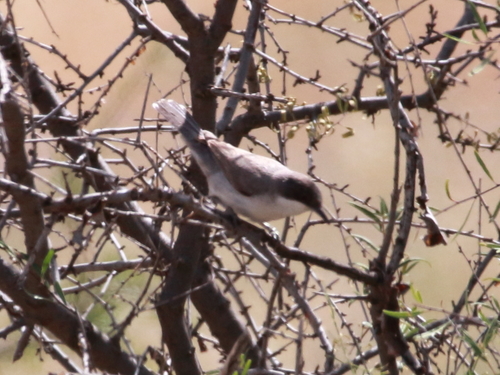 toutinegra-real-oriental
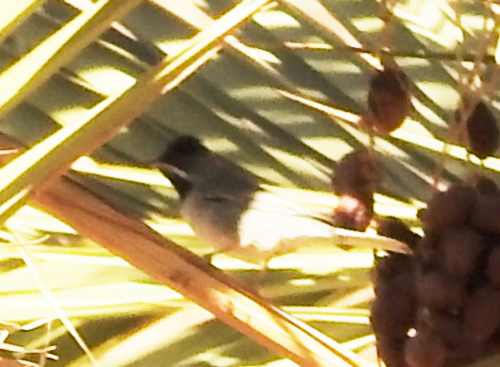 toutinegra-do-levante
Em resumo
A marca de campo mais confiável para separar a toutinegra-real-oriental da toutinegra-do-levante é o padrão da cabeça e da garganta do macho: o macho da toutinegra-do-levante apresenta uma cabeça e garganta pretas, nitidamente divididas por um 'bigode' branco (faixa malar), enquanto o macho da toutinegra-real-oriental tem uma cabeça cinza escura com uma máscara preta e garganta branca, sem a divisão malar nítida. Ambas as espécies têm costas cinzas simples e bicos pontudos, mas a cor da íris e a cor das pernas diferem: os machos da toutinegra-real-oriental têm íris brancas e pernas pretas, enquanto a toutinegra-do-levante tem olhos vermelhos e pernas marrons. Fêmeas e imaturos são mais complicados, mas a toutinegra-do-levante é geralmente mais esbelta e mais clara embaixo, com uma cabeça mais cinza e uma garganta menos contrastante. Ambas se reproduzem em regiões sobrepostas, mas a toutinegra-real-oriental é maior e tem um canto mais rico e variado.
Dicas de identificação
- Padrão da cabeça e garganta do macho: O macho da toutinegra-do-levante apresenta uma cabeça e garganta pretas, nitidamente divididas por uma faixa malar branca ('bigode'), enquanto o macho da toutinegra-real-oriental tem uma cabeça cinza escura com uma máscara ocular preta e uma garganta branca, sem a divisão malar nítida. Esta é a marca mais confiável em machos adultos.
- Cor da íris: O macho adulto da toutinegra-real-oriental tem íris brancas, enquanto a toutinegra-do-levante tem olhos vermelhos. Fêmeas e imaturos da toutinegra-real-oriental têm íris escuras, então esta marca é melhor para machos adultos.
- Cor das pernas: A toutinegra-real-oriental tem pernas pretas, enquanto a toutinegra-do-levante tem pernas marrons. Isso pode ser sutil, mas é útil em boa luz.
- Estrutura do bico: Ambas têm bicos longos e pontudos, mas o bico da toutinegra-real-oriental pode parecer ligeiramente mais pesado, combinando com seu tamanho maior.
- Tamanho e estrutura: A toutinegra-real-oriental é claramente maior e mais robusta do que a toutinegra-do-levante, que é mais esbelta e delicada. Isso é especialmente aparente quando vistas lado a lado ou com experiência.
- Cor das costas: Ambas têm costas cinzas simples, mas fêmeas e imaturos de ambas as espécies podem apresentar um tom acastanhado. Isso não é um separador forte.
- Partes inferiores: O macho da toutinegra-do-levante é mais claro embaixo, enquanto fêmeas e imaturos da toutinegra-real-oriental têm partes inferiores avermelhadas. Fêmeas da toutinegra-do-levante são mais claras e cinzentas embaixo.
- Cor da cabeça em fêmeas/imaturos: Fêmeas e imaturos da toutinegra-real-oriental têm uma cabeça mais clara, enquanto fêmeas da toutinegra-do-levante têm uma cabeça cinza e garganta clara, sem forte contraste.
- Máscara ocular: O macho da toutinegra-real-oriental apresenta uma máscara ocular preta, enquanto o macho da toutinegra-do-levante tem uma cabeça e garganta pretas com uma faixa malar branca, não uma máscara.
- Canto: O canto da toutinegra-real-oriental é rico e variado, com notas de trinado e reprimenda; o da toutinegra-do-levante é um barulho mais lento e profundo. Use o canto para confirmação se as marcas visuais forem ambíguas.
- Habitat e distribuição: Ambas podem ocorrer na mesma região, mas a toutinegra-real-oriental é mais difundida e pode ser encontrada mais a leste e ao sul.
- Sem padrão de asa distintivo: Nenhuma das espécies apresenta um padrão único de asa superior juvenil ou imaturo, então não confie em marcas de penas de voo para separação.
- Empoleirada vs. em voo: Ambas as espécies são mais facilmente separadas quando empoleiradas e o padrão da cabeça/garganta é visível. Em voo, o tamanho e a estrutura podem ajudar, mas são menos confiáveis do que a plumagem.
- Armadilhas: Fêmeas e imaturos são facilmente confundidos devido a tons semelhantes de costas e partes inferiores; concentre-se na cor da íris (se visível), tamanho e sutis diferenças na cabeça/garganta.
- Contexto: Se vistas na Grécia ou na Turquia ocidental, ambas são possíveis; mais a leste, a toutinegra-do-levante se torna menos provável e a toutinegra-real-oriental mais provável.
Tamanho
A toutinegra-real-oriental é notavelmente maior, com 15–16 cm de comprimento, tornando-a uma das maiores típicas de toutinegras. A toutinegra-do-levante é semelhante em tamanho à toutinegra-dos-valados, mas mais esbelta, e é claramente menor do que a toutinegra-real-oriental. Essa diferença de tamanho pode ser aparente em comparação direta ou com experiência, especialmente em campo quando empoleiradas ou em voo.
Plumagem
O macho adulto da toutinegra-real-oriental tem costas cinzas simples, cabeça cinza escura com uma máscara ocular preta, garganta branca e íris branca. Em contraste, o macho da toutinegra-do-levante tem uma cabeça e garganta pretas separadas por uma faixa malar branca nítida, com costas cinzas simples e partes inferiores cinzas mais claras, além de olhos vermelhos. Fêmeas e imaturos da toutinegra-real-oriental têm uma cabeça mais clara, costas cinzas com tom acastanhado e partes inferiores avermelhadas, com íris escuras. Fêmeas da toutinegra-do-levante têm cabeça mais cinza com garganta clara e costas cinzas com tom acastanhado, mas carecem do padrão forte da cabeça dos machos. Nenhum padrão distintivo de asa superior juvenil ou imaturo é notado para nenhuma das espécies, então a separação depende de características da cabeça, íris e garganta em todas as idades.
Comportamento
Ambas as espécies são típicas de toutinegras do gênero Curruca e se comportam de maneira semelhante, forrageando em florestas abertas e arbustos. A toutinegra-real-oriental pode parecer mais robusta e robusta na postura, enquanto a toutinegra-do-levante é mais esbelta e ágil. Nenhuma diferença comportamental marcante é notada que seja diagnóstica em campo.
Habitat
Ambas as espécies se reproduzem no sudeste da Europa e no leste do Mediterrâneo, com alguma sobreposição na Grécia e na Turquia. A toutinegra-real-oriental tem uma faixa de reprodução mais ampla, estendendo-se pelos Bálcãs, o Cáucaso e até a Ásia Central, e inverna na África subsaariana. A toutinegra-do-levante se reproduz principalmente na Grécia, Turquia e ilhas próximas, invernando no nordeste da África. Ambas preferem florestas decíduas abertas e arbustos, então o habitat não é um separador forte onde as distribuições se sobrepõem.
Voz
A toutinegra-real-oriental tem um canto rico e variado com notas de trinado, aproximando-se do rouxinol em complexidade e variedade. O canto da toutinegra-do-levante é um barulho mais lento e profundo, menos variado do que o da toutinegra-real-oriental e mais profundo do que o da toutinegra-dos-valados. O canto pode ser útil para separação se ouvido bem, com a toutinegra-real-oriental sendo mais melodiosa e complexa.
toutinegra-real-oriental · toutinegra-do-levante · Minhas aves difíceis