

Bigia grossa orientale vs Bigia di Rueppell
Curruca crassirostris contro Curruca ruppeli
Fai un quiz con Bigia grossa orientale e Bigia di Rueppell
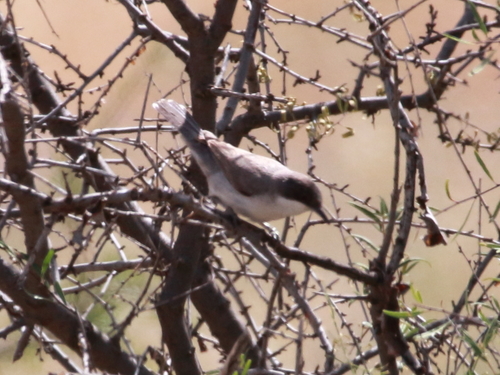 Bigia grossa orientale
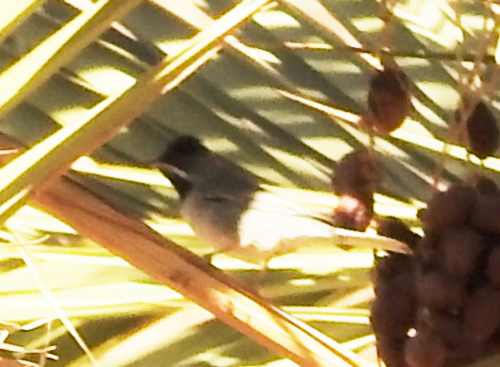 Bigia di Rueppell
In breve
Il segno di campo più affidabile per separare la Bigia grossa orientale dalla Bigia di Rueppell è il motivo della testa e della gola del maschio: il maschio della Bigia di Rueppell mostra una testa e una gola nere nettamente divise da un 'baffo' bianco (striscia malare), mentre il maschio della Bigia grossa orientale ha una testa grigia scura con una maschera nera e una gola bianca, priva della netta divisione malare. Entrambe le specie hanno schiene grigie uniformi e becchi appuntiti, ma il colore dell'iride e il colore delle gambe differiscono: i maschi della Bigia grossa orientale hanno un'iride bianca e gambe nere, mentre la Bigia di Rueppell ha occhi rossi e gambe marroni. Le femmine e gli immaturi sono più difficili da distinguere, ma la Bigia di Rueppell è generalmente più snella e più chiara sotto, con una testa più grigia e una gola meno contrastante. Entrambe si riproducono in regioni sovrapposte, ma la Bigia grossa orientale è più grande e ha un canto più ricco e variegato.
Consigli di identificazione
- Motivo della testa e della gola del maschio: Il maschio della Bigia di Rueppell mostra una testa e una gola nere nettamente divise da una striscia malare bianca ('baffo'), mentre il maschio della Bigia grossa orientale ha una testa grigia scura con una maschera nera e una gola bianca, priva della netta divisione malare. Questo è il segno più affidabile negli adulti maschi.
- Colore dell'iride: Il maschio adulto della Bigia grossa orientale ha un'iride bianca, mentre la Bigia di Rueppell ha occhi rossi. Le femmine e gli immaturi della Bigia grossa orientale hanno iridi scure, quindi questo segno è migliore per i maschi adulti.
- Colore delle gambe: La Bigia grossa orientale ha gambe nere, mentre la Bigia di Rueppell ha gambe marroni. Questo può essere sottile ma è utile in buona luce.
- Struttura del becco: Entrambi hanno becchi lunghi e appuntiti, ma il becco della Bigia grossa orientale può apparire leggermente più pesante, in linea con la sua dimensione maggiore.
- Dimensione e struttura: La Bigia grossa orientale è decisamente più grande e robusta rispetto alla Bigia di Rueppell, che è più snella e delicata. Questo è particolarmente evidente quando viste fianco a fianco o con esperienza.
- Colore della schiena: Entrambe hanno schiene grigie uniformi, ma le femmine e gli immaturi di entrambe le specie possono mostrare una sfumatura marrone. Questo non è un forte separatore.
- Parti inferiori: Il maschio della Bigia di Rueppell è più chiaro grigio sotto, mentre le femmine e gli immaturi della Bigia grossa orientale hanno parti inferiori rossastre. Le femmine della Bigia di Rueppell sono più chiare e grigie sotto.
- Colore della testa nelle femmine/gli immaturi: Le femmine e gli immaturi della Bigia grossa orientale hanno una testa più chiara, mentre le femmine della Bigia di Rueppell hanno una testa grigia e una gola chiara, priva di forte contrasto.
- Maschera oculare: Il maschio della Bigia grossa orientale mostra una maschera oculare nera, mentre il maschio della Bigia di Rueppell ha una testa e una gola nere con una striscia malare bianca, non una maschera.
- Canto: Il canto della Bigia grossa orientale è ricco e variegato, con note di cinguettio e rimprovero; quello della Bigia di Rueppell è un ronzio più lento e profondo. Usa il canto per conferma se i segni visivi sono ambigui.
- Habitat e distribuzione: Entrambe possono verificarsi nella stessa regione, ma la Bigia grossa orientale è più diffusa e può essere trovata più a est e a sud.
- Nessun motivo distintivo sulle ali: Nessuna delle due specie mostra un motivo unico sulle ali superiori per i giovani o gli immaturi, quindi non fare affidamento sulle marcature delle piume per la separazione.
- In posa vs. in volo: Entrambe le specie sono più facilmente separate quando sono in posa e il motivo della testa/gola è visibile. In volo, la dimensione e la struttura possono aiutare, ma sono meno affidabili rispetto al piumaggio.
- Trappole: Le femmine e gli immaturi sono facilmente confusi a causa di toni simili della schiena e delle parti inferiori; concentrati sul colore dell'iride (se visibile), sulla dimensione e sulle sottili differenze nella testa/gola.
- Contesto: Se viste in Grecia o nella Turchia occidentale, entrambe sono possibili; più a est, la Bigia di Rueppell diventa meno probabile e la Bigia grossa orientale più probabile.
Taglia
La Bigia grossa orientale è notevolmente più grande, con una lunghezza di 15–16 cm, rendendola una delle più grandi bigie tipiche. La Bigia di Rueppell è simile in dimensioni all'Occhiocotto ma più snella, ed è decisamente più piccola della Bigia grossa orientale. Questa differenza di dimensione può essere evidente in un confronto diretto o con esperienza, specialmente sul campo quando è in posa o in volo.
Piumaggio
Il maschio adulto della Bigia grossa orientale ha una schiena grigia uniforme, una testa grigia scura con una maschera oculare nera, una gola bianca e un'iride bianca. Al contrario, il maschio della Bigia di Rueppell ha una testa e una gola nere separate da una netta striscia malare bianca, con una schiena grigia uniforme e parti inferiori grigie più chiare, oltre a occhi rossi. Le femmine e gli immaturi della Bigia grossa orientale hanno una testa più chiara, una schiena grigia con sfumature marroni e parti inferiori rossastre, con un'iride scura. Le femmine della Bigia di Rueppell hanno una testa più grigia con una gola chiara e una schiena grigia con sfumature marroni, ma mancano del forte motivo della testa dei maschi. Non sono notati motivi distintivi sulle ali superiori per i giovani o gli immaturi per nessuna delle due specie, quindi la separazione si basa su caratteristiche della testa, dell'iride e della gola in tutte le età.
Comportamento
Entrambe le specie sono tipiche bigie Curruca e si comportano in modo simile, foraggiando in boschi aperti e cespugli. La Bigia grossa orientale può apparire più robusta e robusta nella postura, mentre la Bigia di Rueppell è più snella e agile. Non sono notate differenze comportamentali evidenti che siano diagnostiche sul campo.
Habitat
Entrambe le specie si riproducono nel sud-est dell'Europa e nel Mediterraneo orientale, con alcune sovrapposizioni in Grecia e Turchia. La Bigia grossa orientale ha un'area di riproduzione più ampia, estendendosi attraverso i Balcani, il Caucaso e nell'Asia Centrale, e sverna nell'Africa subsahariana. La Bigia di Rueppell si riproduce principalmente in Grecia, Turchia e isole vicine, svernando nel nord-est dell'Africa. Entrambe preferiscono boschi decidui aperti e cespugli, quindi l'habitat non è un forte separatore dove le aree si sovrappongono.
Voce
La Bigia grossa orientale ha un canto ricco e variegato con note di rimprovero, avvicinandosi al Nightingale in complessità e varietà. Il canto della Bigia di Rueppell è un ronzio più lento e profondo, meno variegato rispetto alla Bigia grossa orientale e più profondo rispetto all'Occhiocotto. Il canto può essere utile per la separazione se ascoltato bene, con la Bigia grossa orientale che è più melodiosa e complessa.
Bigia grossa orientale · Bigia di Rueppell · I miei uccelli difficili