

Motmot

eastern long-billed lark vs cape long-billed lark

Certhilauda semitorquata versus Certhilauda curvirostris

Jogue um quiz com eastern long-billed lark e cape long-billed lark
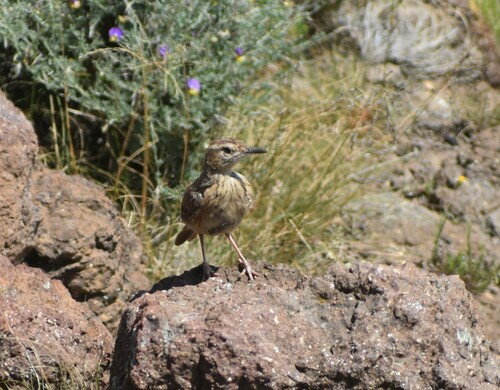
eastern long-billed lark (Certhilauda semitorquata) eastern long-billed lark
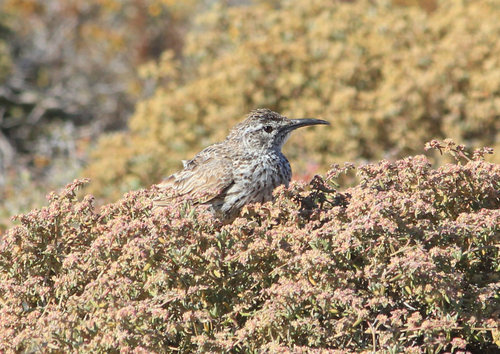
cape long-billed lark (Certhilauda curvirostris) cape long-billed lark

Mídia

Carregando…

Em resumo

The most reliable way to separate Eastern Long-billed Lark from Cape Long-billed Lark is by range and habitat: the Eastern is found in the grasslands of south-eastern Africa, while the Cape is restricted to the semi-arid shrublands and grasslands of the south-west. In the field, both are large, heavy-billed larks with similar structure and plumage, and can be extremely difficult to distinguish on appearance alone, especially outside their core ranges. No distinctive age-specific wing or flight pattern is documented for either species, so separation relies on subtle differences in habitat, distribution, and possibly minor structural or plumage cues. If you are outside the overlap zone, location is often your best clue.

Dicas de identificação

  1. Range is key: Eastern Long-billed Lark occurs in south-eastern Africa (central, eastern, and south-eastern South Africa); Cape Long-billed Lark is found only in the south-west (Cape region, Karoo, and adjacent Namibia). If you know your location, this is the most reliable clue.
  2. Habitat context: Eastern prefers dry lowland grassland, while Cape is found in semi-arid Karoo shrub, dry shrubland, and coastal fynbos. If you are in lush grassland, lean Eastern; if in arid, shrubby terrain or fynbos, lean Cape.
  3. Bill structure: Both have long, decurved bills. Some sources suggest Cape may have a slightly more pronounced curve, but this is subtle and unreliable in the field.
  4. Plumage tone: Both are sandy-brown above with streaks and pale below. Local variation exists, but not in a way that reliably separates these two species across their ranges.
  5. Juvenile/immature plumage: No distinctive upperwing or flight pattern differences are documented for any age class between these species. Do not rely on juvenile wing panels or trailing edge contrasts.
  6. Flight style: Both species flush with strong, undulating flight. No unique flight jizz is described for either.
  7. Song and calls: No distinctive vocal differences are documented in the available notes. Do not rely on voice for separation unless you have local expertise.
  8. Overlap and confusion: In areas where ranges may approach (southern South Africa), identification may be genuinely uncertain without detailed local knowledge or genetic sampling. Subspecies boundaries are debated, and some authorities treat Eastern as a subspecies of Cape.
  9. Sex and season: No sexual dimorphism or seasonal plumage differences are described that aid separation.
  10. Pitfalls: Do not rely on general lark features (streaking, bill length, size) to separate these two; these marks are shared. Only context and range are reliable.
  11. Subspecies confusion: Both species have multiple subspecies, and some authorities lump or split them differently. If you are in a known overlap zone, be cautious and document as much as possible.
  12. Photographic evidence: If uncertain, try to document the bird and habitat for later review, as field separation is often not possible on appearance alone.
  13. Community input: If you are unsure, consult local birders or regional field guides, as subtle local differences may be recognized by experts familiar with the area.
  14. Checklist approach: If you are in the eastern grasslands, default to Eastern Long-billed Lark; if in the southwestern Karoo or fynbos, default to Cape Long-billed Lark unless strong evidence suggests otherwise.

Tamanho

Both species are large, robust larks with long, decurved bills. No reliable size or mass differences are documented between them in the available sources; both are among the largest African larks. In the hand or at close range, bill shape and length may show subtle variation, but these are not consistently diagnostic in the field.

Plumagem

There are no documented, age-specific upperwing or flight pattern differences between Eastern and Cape Long-billed Larks. Both species have similar overall coloration: sandy to brown upperparts with streaking, paler underparts, and a long, decurved bill. Subtle differences in plumage tone may exist between populations or subspecies, but these are not reliable for field separation. Juveniles and adults are not described as differing in ways that aid identification between these two species.

Comportamento

Both species behave like typical long-billed larks: they are terrestrial, often walking or running on the ground, and flush with strong, undulating flight when disturbed. No consistent behavioral differences are documented that would allow separation in the field.

Habitat

Habitat is the most practical separator. Eastern Long-billed Lark is found in subtropical or tropical dry lowland grassland of south-eastern Africa, including central, eastern, and south-eastern South Africa. Cape Long-billed Lark is restricted to the semi-arid Karoo shrublands, dry shrubland, and coastal fynbos of south-western Africa, including the Cape region and parts of Namibia. If you are in open, grassy plains in the east, you are likely seeing Eastern; if you are in arid shrubland or fynbos in the far southwest, it is almost certainly Cape.

Enviar uma descrição melhor

Use as mesmas seções da comparação. Seu texto é publicado na hora.

The most reliable way to separate Eastern Long-billed Lark from Cape Long-billed Lark is by range and habitat: the Eastern is found in the grasslands of south-eastern Africa, while the Cape is restricted to the semi-arid shrublands and grasslands of the south-west. In the field, both are large, heavy-billed larks with similar structure and plumage, and can be extremely difficult to distinguish on appearance alone, especially outside their core ranges. No distinctive age-specific wing or flight pattern is documented for either species, so separation relies on subtle differences in habitat, distribution, and possibly minor structural or plumage cues. If you are outside the overlap zone, location is often your best clue.

  1. Range is key: Eastern Long-billed Lark occurs in south-eastern Africa (central, eastern, and south-eastern South Africa); Cape Long-billed Lark is found only in the south-west (Cape region, Karoo, and adjacent Namibia). If you know your location, this is the most reliable clue.
  2. Habitat context: Eastern prefers dry lowland grassland, while Cape is found in semi-arid Karoo shrub, dry shrubland, and coastal fynbos. If you are in lush grassland, lean Eastern; if in arid, shrubby terrain or fynbos, lean Cape.
  3. Bill structure: Both have long, decurved bills. Some sources suggest Cape may have a slightly more pronounced curve, but this is subtle and unreliable in the field.
  4. Plumage tone: Both are sandy-brown above with streaks and pale below. Local variation exists, but not in a way that reliably separates these two species across their ranges.
  5. Juvenile/immature plumage: No distinctive upperwing or flight pattern differences are documented for any age class between these species. Do not rely on juvenile wing panels or trailing edge contrasts.
  6. Flight style: Both species flush with strong, undulating flight. No unique flight jizz is described for either.
  7. Song and calls: No distinctive vocal differences are documented in the available notes. Do not rely on voice for separation unless you have local expertise.
  8. Overlap and confusion: In areas where ranges may approach (southern South Africa), identification may be genuinely uncertain without detailed local knowledge or genetic sampling. Subspecies boundaries are debated, and some authorities treat Eastern as a subspecies of Cape.
  9. Sex and season: No sexual dimorphism or seasonal plumage differences are described that aid separation.
  10. Pitfalls: Do not rely on general lark features (streaking, bill length, size) to separate these two; these marks are shared. Only context and range are reliable.
  11. Subspecies confusion: Both species have multiple subspecies, and some authorities lump or split them differently. If you are in a known overlap zone, be cautious and document as much as possible.
  12. Photographic evidence: If uncertain, try to document the bird and habitat for later review, as field separation is often not possible on appearance alone.
  13. Community input: If you are unsure, consult local birders or regional field guides, as subtle local differences may be recognized by experts familiar with the area.
  14. Checklist approach: If you are in the eastern grasslands, default to Eastern Long-billed Lark; if in the southwestern Karoo or fynbos, default to Cape Long-billed Lark unless strong evidence suggests otherwise.

Both species are large, robust larks with long, decurved bills. No reliable size or mass differences are documented between them in the available sources; both are among the largest African larks. In the hand or at close range, bill shape and length may show subtle variation, but these are not consistently diagnostic in the field.

There are no documented, age-specific upperwing or flight pattern differences between Eastern and Cape Long-billed Larks. Both species have similar overall coloration: sandy to brown upperparts with streaking, paler underparts, and a long, decurved bill. Subtle differences in plumage tone may exist between populations or subspecies, but these are not reliable for field separation. Juveniles and adults are not described as differing in ways that aid identification between these two species.

Both species behave like typical long-billed larks: they are terrestrial, often walking or running on the ground, and flush with strong, undulating flight when disturbed. No consistent behavioral differences are documented that would allow separation in the field.

Habitat is the most practical separator. Eastern Long-billed Lark is found in subtropical or tropical dry lowland grassland of south-eastern Africa, including central, eastern, and south-eastern South Africa. Cape Long-billed Lark is restricted to the semi-arid Karoo shrublands, dry shrubland, and coastal fynbos of south-western Africa, including the Cape region and parts of Namibia. If you are in open, grassy plains in the east, you are likely seeing Eastern; if you are in arid shrubland or fynbos in the far southwest, it is almost certainly Cape.

Descartar as alterações?

Você tem edições não salvas. Se sair agora, elas serão perdidas.

eastern long-billed lark · cape long-billed lark · Minhas aves difíceis