

Eastern Long-billed Lark vs Cape Long-billed Lark
Certhilauda semitorquata contro Certhilauda curvirostris
Fai un quiz con Eastern Long-billed Lark e Cape Long-billed Lark
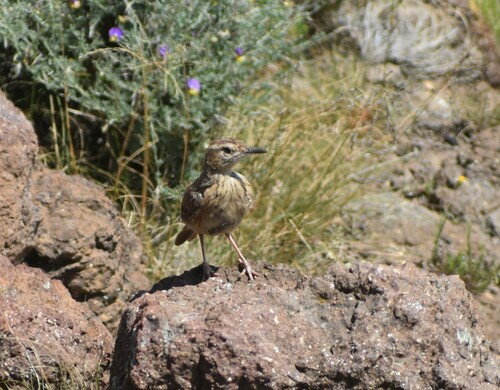 Eastern Long-billed Lark
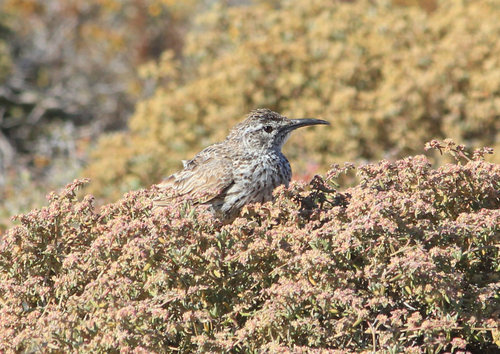 Cape Long-billed Lark
In breve
Il modo più affidabile per separare l'Eastern Long-billed Lark dal Cape Long-billed Lark è attraverso l'areale e l'habitat: l'Eastern si trova nelle praterie del sud-est dell'Africa, mentre il Cape è limitato alle boscaglie e praterie semi-aride del sud-ovest. Sul campo, entrambi sono grandi, con becco pesante, con una struttura e un piumaggio simili, e possono essere estremamente difficili da distinguere solo per aspetto, specialmente al di fuori dei loro areali principali. Non sono documentati schemi di volo o di ali specifici per età distintivi per nessuna delle due specie, quindi la separazione si basa su differenze sottili nell'habitat, nella distribuzione e possibilmente su indizi minori di struttura o piumaggio. Se ti trovi al di fuori della zona di sovrapposizione, la posizione è spesso il tuo miglior indizio.
Consigli di identificazione
- L'areale è fondamentale: L'Eastern Long-billed Lark si trova nel sud-est dell'Africa (centro, est e sud-est del Sudafrica); il Cape Long-billed Lark si trova solo nel sud-ovest (regione del Capo, Karoo e Namibia adiacente). Se conosci la tua posizione, questo è l'indizio più affidabile.
- Contesto dell'habitat: L'Eastern preferisce praterie secche di pianura, mentre il Cape si trova in boscaglie secche del Karoo, boscaglie secche e fynbos costieri. Se ti trovi in praterie lussureggianti, inclina verso l'Eastern; se in terreni aridi e cespugliosi o fynbos, inclina verso il Cape.
- Struttura del becco: Entrambi hanno becchi lunghi e ricurvi. Alcune fonti suggeriscono che il Cape possa avere una curva leggermente più pronunciata, ma questo è sottile e inaffidabile sul campo.
- Tono del piumaggio: Entrambi sono di colore sabbia-marrone sopra con striature e più chiari sotto. Esiste una variazione locale, ma non in modo da separare in modo affidabile queste due specie nei loro areali.
- Piumaggio giovanile/immaturo: Non sono documentate differenze distintive nel pattern delle ali superiori o nel volo per nessuna classe di età tra queste specie. Non fare affidamento sui pannelli delle ali giovanili o sui contrasti dei bordi posteriori.
- Stile di volo: Entrambe le specie si alzano in volo con un volo forte e ondulato. Non è descritto alcun volo unico per nessuna delle due.
- Canto e richiami: Non sono documentate differenze vocali distintive nelle note disponibili. Non fare affidamento sulla voce per la separazione a meno che tu non abbia competenze locali.
- Sovrapposizione e confusione: In aree dove gli areali possono avvicinarsi (sud del Sudafrica), l'identificazione può essere genuinamente incerta senza una conoscenza locale dettagliata o campionamento genetico. I confini delle sottospecie sono dibattuti e alcune autorità trattano l'Eastern come una sottospecie del Cape.
- Sesso e stagione: Non sono descritte differenze di dimorfismo sessuale o di piumaggio stagionale che aiutino la separazione.
- Trappole: Non fare affidamento su caratteristiche generali dei fringuelli (strisce, lunghezza del becco, dimensioni) per separare queste due; questi segni sono condivisi. Solo il contesto e l'areale sono affidabili.
- Confusione delle sottospecie: Entrambe le specie hanno più sottospecie e alcune autorità le raggruppano o le dividono in modo diverso. Se ti trovi in una zona di sovrapposizione nota, sii cauto e documenta il più possibile.
- Evidenza fotografica: Se sei incerto, prova a documentare l'uccello e l'habitat per una revisione successiva, poiché la separazione sul campo spesso non è possibile solo per aspetto.
- Input della comunità: Se non sei sicuro, consulta ornitologi locali o guide di campo regionali, poiché differenze locali sottili possono essere riconosciute da esperti familiari con l'area.
- Approccio della lista di controllo: Se ti trovi nelle praterie orientali, fai riferimento all'Eastern Long-billed Lark; se nel Karoo sud-occidentale o nel fynbos, fai riferimento al Cape Long-billed Lark a meno che prove forti non suggeriscano diversamente.
Taglia
Entrambe le specie sono grandi, robuste e hanno becchi lunghi e ricurvi. Non sono documentate differenze affidabili di dimensioni o massa tra di loro nelle fonti disponibili; entrambe sono tra i più grandi fringuelli africani. In mano o a distanza ravvicinata, la forma e la lunghezza del becco possono mostrare variazioni sottili, ma queste non sono diagnosticabili in modo coerente sul campo.
Piumaggio
Non ci sono differenze documentate, specifiche per età, nel pattern delle ali superiori o nel volo tra l'Eastern e il Cape Long-billed Lark. Entrambe le specie hanno una colorazione complessiva simile: parti superiori sabbiose o marroni con striature, parti inferiori più chiare e un lungo becco ricurvo. Possono esistere differenze sottili nel tono del piumaggio tra popolazioni o sottospecie, ma queste non sono affidabili per la separazione sul campo. I giovanili e gli adulti non sono descritti come differenti in modi che aiutino l'identificazione tra queste due specie.
Comportamento
Entrambe le specie si comportano come tipici fringuelli a lungo becco: sono terrestri, spesso camminano o corrono a terra, e si alzano in volo con un volo forte e ondulato quando disturbati. Non sono documentate differenze comportamentali coerenti che consentano la separazione sul campo.
Habitat
L'habitat è il separatore più pratico. L'Eastern Long-billed Lark si trova in praterie secche di pianura subtropicali o tropicali del sud-est dell'Africa, comprese le regioni centrali, orientali e sud-orientali del Sudafrica. Il Cape Long-billed Lark è limitato alle boscaglie semi-aride del Karoo, boscaglie secche e fynbos costieri del sud-ovest dell'Africa, comprese la regione del Capo e parti della Namibia. Se ti trovi in pianure erbose aperte a est, è probabile che tu stia vedendo un Eastern; se ti trovi in boscaglie aride o fynbos nel sud-ovest estremo, è quasi certamente un Cape.
Eastern Long-billed Lark · Cape Long-billed Lark · I miei uccelli difficili