

Motmot

ヒガシハシナガヒバリ 対 Cape Long-billed Lark

Certhilauda semitorquata 対 Certhilauda curvirostris

ヒガシハシナガヒバリとCape Long-billed Larkのクイズ
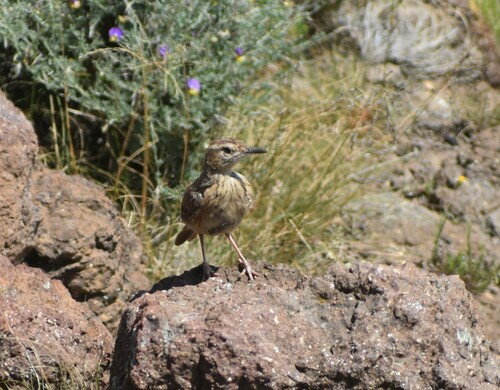
ヒガシハシナガヒバリ (Certhilauda semitorquata) ヒガシハシナガヒバリ
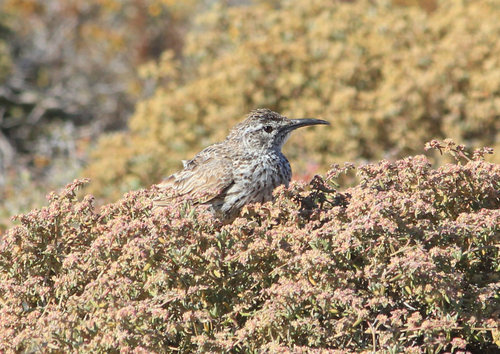
Cape Long-billed Lark (Certhilauda curvirostris) Cape Long-billed Lark

メディア

読み込み中…

要点

ヒガシハシナガヒバリとCape Long-billed Larkを区別する最も信頼できる方法は、分布と生息地によるものです:ヒガシは南東アフリカの草原に生息し、Capeは南西の半乾燥の低木地帯と草原に限定されています。現地では、両者は大きく、重いくちばしを持つヒバリで、構造と羽毛が似ており、特にコアの分布域の外では外見だけで区別するのが非常に難しい場合があります。どちらの種にも特定の年齢に特有の翼や飛行パターンは記録されていないため、区別は生息地、分布、そしておそらく微細な構造や羽毛の手がかりの微妙な違いに依存します。重複ゾーンの外にいる場合、場所が最も信頼できる手がかりとなることが多いです。

識別のコツ

  1. Range is key: ヒガシハシナガヒバリは南東アフリカ(南アフリカの中央、東部、南東部)に生息し、Cape Long-billed Larkは南西(ケープ地域、カロ、隣接するナミビア)にのみ見られます。自分の位置を知っていれば、これが最も信頼できる手がかりです。
  2. Habitat context: ヒガシは乾燥した低地の草原を好み、Capeは半乾燥のカロの低木、乾燥した低木地帯、沿岸のファインボスに見られます。豊かな草原にいる場合はヒガシを、乾燥した低木地帯やファインボスにいる場合はCapeを選んでください。
  3. Bill structure: 両者は長く、湾曲したくちばしを持っています。いくつかの情報源では、Capeの方がわずかに湾曲が強い可能性があると示唆していますが、これは微妙で現地では信頼できません。
  4. Plumage tone: 両者は上面が砂色から茶色で、ストライプがあり、下面は淡いです。地域による変異はありますが、これらの2種を分けるのに信頼できる方法ではありません。
  5. Juvenile/immature plumage: どちらの種にも年齢クラス間で特有の上翼や飛行パターンの違いは記録されていません。幼鳥の翼パネルや後縁のコントラストに頼らないでください。
  6. Flight style: 両種は強く、波打つような飛行で飛び立ちます。どちらにも特有の飛行スタイルは記載されていません。
  7. Song and calls: 利用可能なメモには特有の音声の違いは記録されていません。地元の専門知識がない限り、声に頼らないでください。
  8. Overlap and confusion: 分布が接近する地域(南アフリカ南部)では、詳細な地域知識や遺伝子サンプリングがない限り、識別が本当に不確かになることがあります。亜種の境界は議論されており、一部の権威はヒガシをCapeの亜種と見なしています。
  9. Sex and season: 区別を助ける性的二形や季節的な羽毛の違いは記載されていません。
  10. Pitfalls: これらの2種を区別するために一般的なヒバリの特徴(ストライプ、くちばしの長さ、サイズ)に頼らないでください。これらの特徴は共有されています。信頼できるのは文脈と分布だけです。
  11. Subspecies confusion: 両種には複数の亜種があり、一部の権威はそれらを異なる方法でまとめたり分けたりします。既知の重複ゾーンにいる場合は注意し、できるだけ多くの情報を記録してください。
  12. Photographic evidence: 不確かな場合は、後で確認するために鳥と生息地を記録するようにしてください。外見だけでの現地での区別はしばしば不可能です。
  13. Community input: 不明な場合は、地元のバーダーや地域のフィールドガイドに相談してください。地域に精通した専門家が微妙な地域差を認識しているかもしれません。
  14. Checklist approach: 東部の草原にいる場合は、デフォルトでヒガシハシナガヒバリを選択してください。南西のカロやファインボスにいる場合は、強い証拠がない限りCape Long-billed Larkを選択してください。

大きさ

両種は大きく、頑丈なヒバリで、長く湾曲したくちばしを持っています。利用可能な情報源には、両者の間に信頼できるサイズや質量の違いは記録されていません。両者はアフリカの最大のヒバリの中に含まれます。手に取ったり近距離で見ると、くちばしの形や長さに微妙な変化が見られることがありますが、これらは現地で一貫して診断的ではありません。

羽色

ヒガシとCape Long-billed Larkの間には、年齢特有の上翼や飛行パターンの違いは記録されていません。両種は全体的に似た色合いを持っています:上面は砂色から茶色でストライプがあり、下面は淡く、長く湾曲したくちばしを持っています。羽毛の色合いに微妙な違いが存在する可能性がありますが、これらは現地での区別には信頼できません。幼鳥と成鳥は、これらの2種の識別を助けるような違いがあるとは記載されていません。

行動

両種は典型的な長くくちばしのヒバリのように振る舞います:地上を歩いたり走ったりすることが多く、驚かされると強く波打つような飛行で飛び立ちます。現地での区別を可能にするような一貫した行動の違いは記録されていません。

生息環境

生息地は最も実用的な区別要因です。ヒガシハシナガヒバリは南東アフリカの亜熱帯または熱帯の乾燥した低地の草原に生息し、南アフリカの中央、東部、南東部を含みます。Cape Long-billed Larkは南西アフリカの半乾燥のカロの低木地帯、乾燥した低木地帯、沿岸のファインボスに限定され、ケープ地域やナミビアの一部を含みます。東部の開けた草原にいる場合は、ヒガシを見ている可能性が高く、南西の乾燥した低木地帯やファインボスにいる場合は、ほぼ確実にCapeです。

より良い説明を送る

比較と同じ項目を使ってください。文章はすぐに公開されます。

The most reliable way to separate Eastern Long-billed Lark from Cape Long-billed Lark is by range and habitat: the Eastern is found in the grasslands of south-eastern Africa, while the Cape is restricted to the semi-arid shrublands and grasslands of the south-west. In the field, both are large, heavy-billed larks with similar structure and plumage, and can be extremely difficult to distinguish on appearance alone, especially outside their core ranges. No distinctive age-specific wing or flight pattern is documented for either species, so separation relies on subtle differences in habitat, distribution, and possibly minor structural or plumage cues. If you are outside the overlap zone, location is often your best clue.

  1. Range is key: Eastern Long-billed Lark occurs in south-eastern Africa (central, eastern, and south-eastern South Africa); Cape Long-billed Lark is found only in the south-west (Cape region, Karoo, and adjacent Namibia). If you know your location, this is the most reliable clue.
  2. Habitat context: Eastern prefers dry lowland grassland, while Cape is found in semi-arid Karoo shrub, dry shrubland, and coastal fynbos. If you are in lush grassland, lean Eastern; if in arid, shrubby terrain or fynbos, lean Cape.
  3. Bill structure: Both have long, decurved bills. Some sources suggest Cape may have a slightly more pronounced curve, but this is subtle and unreliable in the field.
  4. Plumage tone: Both are sandy-brown above with streaks and pale below. Local variation exists, but not in a way that reliably separates these two species across their ranges.
  5. Juvenile/immature plumage: No distinctive upperwing or flight pattern differences are documented for any age class between these species. Do not rely on juvenile wing panels or trailing edge contrasts.
  6. Flight style: Both species flush with strong, undulating flight. No unique flight jizz is described for either.
  7. Song and calls: No distinctive vocal differences are documented in the available notes. Do not rely on voice for separation unless you have local expertise.
  8. Overlap and confusion: In areas where ranges may approach (southern South Africa), identification may be genuinely uncertain without detailed local knowledge or genetic sampling. Subspecies boundaries are debated, and some authorities treat Eastern as a subspecies of Cape.
  9. Sex and season: No sexual dimorphism or seasonal plumage differences are described that aid separation.
  10. Pitfalls: Do not rely on general lark features (streaking, bill length, size) to separate these two; these marks are shared. Only context and range are reliable.
  11. Subspecies confusion: Both species have multiple subspecies, and some authorities lump or split them differently. If you are in a known overlap zone, be cautious and document as much as possible.
  12. Photographic evidence: If uncertain, try to document the bird and habitat for later review, as field separation is often not possible on appearance alone.
  13. Community input: If you are unsure, consult local birders or regional field guides, as subtle local differences may be recognized by experts familiar with the area.
  14. Checklist approach: If you are in the eastern grasslands, default to Eastern Long-billed Lark; if in the southwestern Karoo or fynbos, default to Cape Long-billed Lark unless strong evidence suggests otherwise.

Both species are large, robust larks with long, decurved bills. No reliable size or mass differences are documented between them in the available sources; both are among the largest African larks. In the hand or at close range, bill shape and length may show subtle variation, but these are not consistently diagnostic in the field.

There are no documented, age-specific upperwing or flight pattern differences between Eastern and Cape Long-billed Larks. Both species have similar overall coloration: sandy to brown upperparts with streaking, paler underparts, and a long, decurved bill. Subtle differences in plumage tone may exist between populations or subspecies, but these are not reliable for field separation. Juveniles and adults are not described as differing in ways that aid identification between these two species.

Both species behave like typical long-billed larks: they are terrestrial, often walking or running on the ground, and flush with strong, undulating flight when disturbed. No consistent behavioral differences are documented that would allow separation in the field.

Habitat is the most practical separator. Eastern Long-billed Lark is found in subtropical or tropical dry lowland grassland of south-eastern Africa, including central, eastern, and south-eastern South Africa. Cape Long-billed Lark is restricted to the semi-arid Karoo shrublands, dry shrubland, and coastal fynbos of south-western Africa, including the Cape region and parts of Namibia. If you are in open, grassy plains in the east, you are likely seeing Eastern; if you are in arid shrubland or fynbos in the far southwest, it is almost certainly Cape.

変更を破棄しますか?

保存していない編集があります。今離れると失われます。

ヒガシハシナガヒバリ · Cape Long-billed Lark · 苦手な鳥