

felosa-coroada-oriental vs felosa-verde-brilhante
Phylloscopus coronatus versus Phylloscopus nitidus
Jogue um quiz com felosa-coroada-oriental e felosa-verde-brilhante
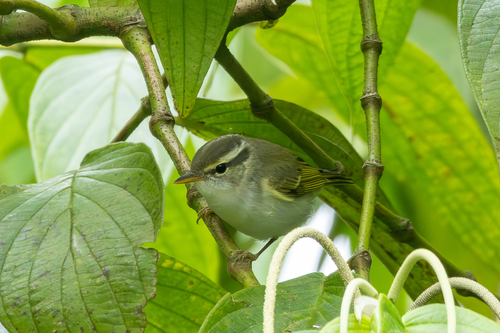 felosa-coroada-oriental
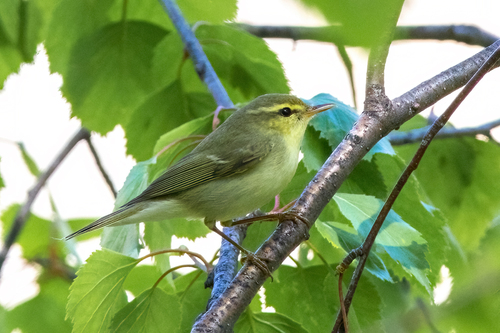 felosa-verde-brilhante
Em resumo
A marca de campo mais confiável entre a felosa-coroada-oriental e a felosa-verde-brilhante é o padrão da cabeça e das asas: a felosa-coroada-oriental apresenta um forte padrão na cabeça com uma faixa mediana coroa amarelada e apenas uma única faixa clara nas asas, enquanto a felosa-verde-brilhante é mais brilhante no geral, com uma parte inferior muito mais amarelada e, especialmente em aves jovens, duas faixas nas asas (uma forte, uma fraca). No campo, a felosa-coroada-oriental parece mais robusta e oliva por cima, enquanto a felosa-verde-brilhante é um verde-amarelado mais vívido e não possui a faixa de coroa distintiva. Ambas são felosas, mas seus padrões de asas e cabeça são a maneira mais rápida de separá-las, especialmente em aves imaturas. O habitat e a distribuição também são úteis, pois seus locais de reprodução não se sobrepõem.
Dicas de identificação
- Faixas nas asas em juvenis/imaturos: A felosa-verde-brilhante (especialmente aves jovens) apresenta duas faixas nas asas—uma forte, uma fraca—enquanto a felosa-coroada-oriental tem apenas uma única faixa clara em todas as idades. Esta é a separação mais confiável no campo, especialmente em vistas de voo ou empoleiradas da asa.
- Padrão da cabeça: A felosa-coroada-oriental tem uma faixa mediana coroa amarelada, contornada por faixas laterais escuras, um longo supercílio amarelado-branco e bochechas amarelas escuras. A felosa-verde-brilhante não possui a faixa de coroa e tem uma cabeça com menos contraste.
- Cor da parte inferior: A felosa-verde-brilhante é muito mais amarela embaixo, enquanto a felosa-coroada-oriental é branca embaixo, com apenas bochechas amarelas escuras.
- Cor da parte superior: A felosa-verde-brilhante é mais brilhante e um verde mais vívido por cima; a felosa-coroada-oriental é verde-oliva escura.
- Formato da cauda: A felosa-coroada-oriental tem uma cauda quadrada com uma leve bifurcação; o formato da cauda não é diagnóstico para a felosa-verde-brilhante, mas pode parecer menos quadrada se comparada diretamente.
- Estrutura do bico: A felosa-coroada-oriental tem um bico robusto e claro, mas isso é sutil e nem sempre confiável no campo.
- Supercílio: O supercílio da felosa-coroada-oriental é longo e amarelado-branco, contrastando com a faixa escura ao redor dos olhos; o supercílio da felosa-verde-brilhante é menos pronunciado.
- Cor das bochechas: Bochechas amarelas escuras são uma característica da felosa-coroada-oriental, não da felosa-verde-brilhante.
- Cor das pernas: Ambas têm pernas escuras; não é uma separação útil.
- Brilho geral: A felosa-verde-brilhante é no geral mais brilhante e amarelada, especialmente nas partes inferiores e em plumagem fresca.
- Habitat e distribuição: Se na floresta boreal/temperada do leste Palearctico, espera-se a felosa-coroada-oriental; se no Cáucaso, espera-se a felosa-verde-brilhante. Fora da área, use plumagem e marcas de faixas nas asas.
- Vistas de voo: Foque no número de faixas nas asas—duas na felosa-verde-brilhante (especialmente jovens), uma na felosa-coroada-oriental.
- Sexo e estação: Nenhum dimorfismo sexual ou mudança sazonal forte é descrito para ambas as espécies; idade e padrão de faixas nas asas são mais importantes.
- Voz: Não descrita nas fontes disponíveis, portanto não é uma marca de campo confiável aqui.
- Armadilhas: Não confie no tamanho, pois ambas são semelhantes; foque na contagem de faixas nas asas e no padrão da cabeça para a melhor separação.
Tamanho
A felosa-coroada-oriental é uma felosa de tamanho médio com uma massa corporal em torno de 10,1 g [wikidata]. Não há dados diretos de massa disponíveis para a felosa-verde-brilhante, mas ambas são semelhantes em tamanho e estrutura, portanto o tamanho não é uma marca de campo confiável entre elas no campo.
Plumagem
Felosas-verde-brilhante juvenis e imaturas normalmente apresentam duas faixas nas asas: uma forte e uma fraca, tornando isso a melhor marca específica de idade, especialmente em voo ou em repouso. A felosa-coroada-oriental de todas as idades mostra apenas uma única faixa clara nas asas. Na cabeça, a felosa-coroada-oriental tem um padrão distinto com uma faixa mediana coroa amarelada flanqueada por faixas laterais escuras, um longo supercílio amarelado-branco e bochechas amarelas escuras. A felosa-verde-brilhante não possui a faixa de coroa e é mais verde brilhante por cima e muito mais amarela embaixo, com um padrão de cabeça menos contrastante. Ambas as espécies são verde-oliva por cima, mas a felosa-verde-brilhante é visivelmente mais vívida e amarelada, especialmente nas partes inferiores. A cauda da felosa-coroada-oriental é quadrada com uma leve bifurcação, enquanto o formato da cauda não é destacado como diagnóstico para a felosa-verde-brilhante. A cor do bico e das pernas não é fortemente contrastante entre as duas, embora o bico da felosa-coroada-oriental seja descrito como robusto e claro.
Comportamento
Nenhuma diferença comportamental distinta é descrita entre essas duas espécies nas fontes disponíveis. Ambas são felosas ativas típicas, forrageando na folhagem.
Habitat
A felosa-coroada-oriental habita florestas boreais e temperadas no leste Palearctico, enquanto a felosa-verde-brilhante é encontrada nas Montanhas do Cáucaso, no sudeste da Europa. Suas áreas de reprodução não se sobrepõem, então a localização é uma forte pista de apoio se o pássaro estiver em habitat típico. No entanto, ambas são migratórias e podem aparecer como vagantes fora de sua faixa habitual.
felosa-coroada-oriental · felosa-verde-brilhante · Minhas aves difíceis