

Eastern Crowned Warbler vs Green Warbler
Phylloscopus coronatus contro Phylloscopus nitidus
Fai un quiz con Eastern Crowned Warbler e Green Warbler
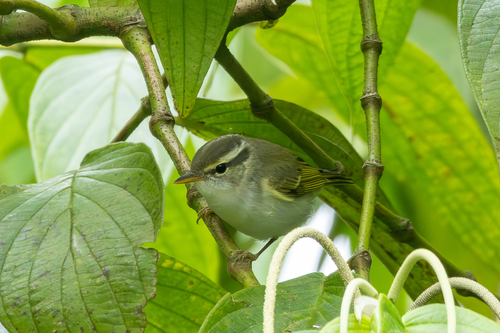 Eastern Crowned Warbler
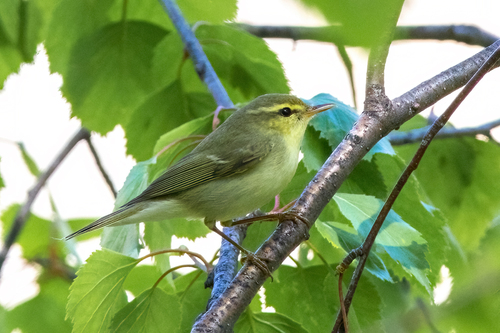 Green Warbler
In breve
Il segno di campo più affidabile tra Eastern Crowned Warbler e Green Warbler è il modello della testa e delle ali: Eastern Crowned Warbler mostra un forte modello della testa con una striscia mediana giallastra e solo una singola striscia chiara sulle ali, mentre Green Warbler è complessivamente più luminoso, con un ventre molto più giallo e, specialmente nei giovani, due strisce sulle ali (una forte, una debole). Sul campo, Eastern Crowned Warbler appare più robusto e oliva sopra, mentre Green Warbler è di un verde giallastro più vivace e manca della caratteristica striscia sulla corona. Entrambi sono warbler delle foglie, ma i loro modelli di ali e testa sono il modo più rapido per separarli, specialmente nei giovani. L'habitat e l'areale sono anche utili, poiché i loro terreni di nidificazione non si sovrappongono.
Consigli di identificazione
- Strisce sulle ali nei giovanili/immaturi: Green Warbler (specialmente i giovani) mostra due strisce sulle ali—una forte, una debole—mentre Eastern Crowned Warbler ha solo una singola striscia chiara sulle ali in tutte le età. Questa è la separazione più affidabile sul campo, specialmente in volo o in vista per la posizione delle ali.
- Modello della testa: Eastern Crowned Warbler ha una striscia mediana giallastra bordata da strisce laterali scure, un lungo supercilio giallastro-bianco e guance giallastre scure. Green Warbler manca della striscia sulla corona e ha una testa meno contrastante.
- Colore della parte inferiore: Green Warbler è molto più giallo sotto, mentre Eastern Crowned Warbler è bianco sotto con solo guance giallastre scure.
- Colore della parte superiore: Green Warbler è più luminoso e di un verde più vivace sopra; Eastern Crowned Warbler è di un verde oliva scuro.
- Forma della coda: Eastern Crowned Warbler ha una coda quadrata con una leggera forcella; la forma della coda non è diagnostica per Green Warbler ma può apparire meno quadrata se confrontata direttamente.
- Struttura del becco: Eastern Crowned Warbler ha un becco robusto e chiaro, ma questo è sottile e non sempre affidabile sul campo.
- Supercilio: Il supercilio di Eastern Crowned Warbler è lungo e giallastro-bianco, in contrasto con la striscia scura intorno all'occhio; il supercilio di Green Warbler è meno pronunciato.
- Colore delle guance: Guance giallastre scure sono una caratteristica di Eastern Crowned Warbler, non di Green Warbler.
- Colore delle zampe: Entrambi hanno zampe scure; non è una separazione utile.
- Luminosità complessiva: Green Warbler è complessivamente più luminoso e giallo, specialmente sulle parti inferiori e nel piumaggio fresco.
- Habitat e areale: Se si trova nella foresta boreale/temperata dell'est Palearctico, ci si aspetta Eastern Crowned Warbler; se si trova nel Caucaso, ci si aspetta Green Warbler. Fuori dall'areale, utilizzare il piumaggio e i segni delle strisce sulle ali.
- Viste in volo: Concentrarsi sul numero di strisce sulle ali—due in Green Warbler (specialmente i giovani), una in Eastern Crowned Warbler.
- Sesso e stagione: Non è descritto dimorfismo sessuale o un forte cambiamento stagionale per nessuna delle due specie; l'età e il modello delle strisce sulle ali sono più importanti.
- Voce: Non descritta nelle fonti disponibili, quindi non è un segno di campo affidabile qui.
- Trappole: Non fare affidamento sulla dimensione, poiché entrambe sono simili; concentrarsi sul conteggio delle strisce sulle ali e sul modello della testa per la migliore separazione.
Taglia
Eastern Crowned Warbler è un warbler delle foglie di dimensioni medie con una massa corporea di circa 10,1 g [wikidata]. Non sono disponibili dati diretti sulla massa per Green Warbler, ma entrambi sono simili in dimensioni e struttura, quindi la dimensione non è un segno di campo affidabile tra di loro sul campo.
Piumaggio
I giovanili e gli immaturi Green Warbler mostrano tipicamente due strisce sulle ali: una forte e una debole, rendendo questo il miglior segno specifico per l'età, specialmente in volo o a riposo. Eastern Crowned Warbler di tutte le età mostra solo una singola striscia chiara sulle ali. Sulla testa, Eastern Crowned Warbler ha un modello distintivo con una striscia mediana giallastra fiancheggiata da strisce laterali scure, un lungo supercilio giallastro-bianco e guance giallastre scure. Green Warbler manca della striscia sulla corona e invece è di un verde più luminoso sopra e molto più giallo sotto, con un modello della testa meno contrastante. Entrambe le specie sono di un verde oliva sopra, ma Green Warbler è notevolmente più vivace e giallastro, specialmente sulle parti inferiori. La coda di Eastern Crowned Warbler è quadrata con una leggera forcella, mentre la forma della coda non è evidenziata come diagnostica per Green Warbler. Il colore del becco e delle zampe non è fortemente contrastante tra i due, anche se il becco di Eastern Crowned Warbler è descritto come robusto e chiaro.
Comportamento
Non sono descritte differenze comportamentali distintive tra queste due specie nelle fonti disponibili. Entrambi sono warbler delle foglie attivi tipici, che si nutrono nel fogliame.
Habitat
Eastern Crowned Warbler abita foreste boreali e temperate nell'est Palearctico, mentre Green Warbler si trova nelle Montagne del Caucaso nel sud-est dell'Europa. I loro areali di nidificazione non si sovrappongono, quindi la posizione è un forte indizio di supporto se l'uccello si trova in un habitat tipico. Tuttavia, entrambi sono migratori e potrebbero apparire come vagabondi al di fuori del loro areale abituale.
Eastern Crowned Warbler · Green Warbler · I miei uccelli difficili