

eastern cattle-egret vs garça-branca-grande
Ardea coromanda versus Ardea alba
Jogue um quiz com eastern cattle-egret e garça-branca-grande
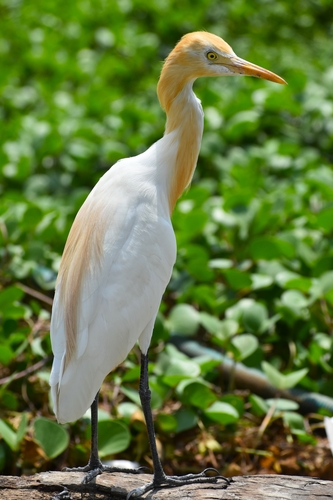 eastern cattle-egret
 garça-branca-grande
Em resumo
A maneira mais confiável de separar o eastern cattle-egret da garça-branca-grande em campo é pelo tamanho e estrutura: a garça-branca-grande é muito maior, com um pescoço e pernas longas, enquanto o eastern cattle-egret é compacto, com pescoço curto, e muitas vezes parece curvado. Na época de reprodução, o eastern cattle-egret exibe penas dourado-alaranjadas na cabeça, garganta e costas, enquanto a garça-branca-grande permanece toda branca com penas delicadas e rendadas apenas nas costas. A cor do bico e das pernas também ajuda: a garça-branca-grande tem um bico amarelo e pernas pretas, enquanto o eastern cattle-egret tem um bico amarelo e pernas amarelo-esverdeadas. O habitat e o comportamento podem reforçar a identificação, já que o eastern cattle-egret é geralmente encontrado forrageando em terra perto do gado, enquanto a garça-branca-grande prefere áreas úmidas e raramente é vista associando-se a gado.
Dicas de identificação
- Tamanho e Estrutura: A garça-branca-grande é muito maior e mais alta, com um pescoço e pernas longas; o eastern cattle-egret é compacto, com pescoço curto e robusto. Esta é a marca de campo mais confiável em qualquer idade ou estação.
- Comprimento do Pescoço e Postura: A garça-branca-grande geralmente fica e anda com o pescoço totalmente estendido, parecendo elegante e alongada. O eastern cattle-egret muitas vezes parece curvado com um pescoço curto e grosso, especialmente quando empoleirado ou forrageando.
- Cor das Pernas: A garça-branca-grande tem pernas e pés pretos (às vezes as pernas podem parecer ligeiramente mais claras na época de reprodução), enquanto o eastern cattle-egret tem pernas amarelo-esverdeadas. Isso é visível tanto em aves empoleiradas quanto em aves andando.
- Cor e Forma do Bico: Ambas as espécies têm bicos amarelos na época não reprodutiva, mas o bico da garça-branca-grande é mais longo e mais esbelto, correspondendo às suas proporções gerais. O bico do eastern cattle-egret é mais curto e mais robusto.
- Plumagem de Reprodução: Na época de reprodução, o eastern cattle-egret exibe penas dourado-alaranjadas na cabeça, garganta e costas, com a cor buff se estendendo até as bochechas e garganta. A garça-branca-grande permanece toda branca, mas desenvolve penas longas e rendadas apenas nas costas.
- Silhueta em Voo: Em voo, a garça-branca-grande mostra um pescoço longo (retraído), pernas longas se estendendo bem além da cauda, e uma envergadura grande e ampla. O eastern cattle-egret é muito menor, com pescoço e pernas mais curtas, e uma aparência mais compacta e arredondada.
- Associação com Gado: O eastern cattle-egret é quase sempre encontrado perto de gado ou outros grandes mamíferos, muitas vezes em campos secos. A garça-branca-grande raramente, se é que alguma vez, é vista seguindo gado.
- Habitat: A garça-branca-grande está ligada a áreas úmidas e é tipicamente vista wading em água. O eastern cattle-egret prefere campos abertos, pastagens e áreas agrícolas, muitas vezes longe da água.
- Comportamento: O eastern cattle-egret forrageia andando entre animais pastando, pegando insetos do chão. A garça-branca-grande persegue presas em água rasa, movendo-se lentamente e deliberadamente.
- Postura Empoleirada: Quando empoleirada, a garça-branca-grande está ereta e alongada; o eastern cattle-egret é mais curvado e robusto.
- Plumagem Juvenil/Não Reprodutiva: Ambas as espécies são totalmente brancas nessas plumagens; confie no tamanho, estrutura e habitat para separação.
- Voz: Não é geralmente útil, pois ambas são silenciosas longe das colônias, mas os grasnidos da garça-branca-grande são mais altos e profundos do que o suave 'rick-rack' do eastern cattle-egret.
- Contexto Sazonal: As diferenças na plumagem de reprodução são visíveis apenas durante a época de nidificação; fora desse período, confie na estrutura e no comportamento.
- Armadilhas: Não confie apenas na cor do bico, pois ambos podem apresentar bicos amarelos. A cor das pernas e o tamanho geral são mais confiáveis.
- Quando em Dúvida: Se você ver uma garça branca em um campo com gado, é quase certamente um eastern cattle-egret; se estiver em uma área úmida, especialmente se grande e elegante, é provavelmente uma garça-branca-grande.
Tamanho
A garça-branca-grande é substancialmente maior: ela chega a até 1 metro de altura, com um comprimento de 80–104 cm e uma envergadura de 131–170 cm, e pesa entre 700–1.500 g [wikipedia]. O eastern cattle-egret é muito menor e mais robusto, medindo 46–56 cm de comprimento, com uma envergadura de 88–96 cm, e pesa entre 270–512 g [wikipedia]. Em comparação direta, a garça-branca-grande é quase duas vezes mais pesada e muito mais alta, com um pescoço e pernas proporcionalmente mais longos.
Plumagem
As plumagens juvenis e não reprodutivas são totalmente brancas em ambas as espécies, portanto, o tamanho e a estrutura são críticos para a separação nessas idades. Não há padrões distintivos de asas superiores juvenis descritos para nenhuma das espécies, portanto, as vistas em voo dependem da forma e tamanho geral. Na época de reprodução, o eastern cattle-egret desenvolve penas dourado-alaranjadas na cabeça, garganta e parte inferior das costas, com a cor buff se estendendo até as bochechas e garganta—isso é diagnóstico e não é mostrado pela garça-branca-grande. A garça-branca-grande na plumagem de reprodução permanece toda branca, mas desenvolve longas e delicadas penas ornamentais (aigrettes) nas costas. A cor do bico e das pernas também é útil: a garça-branca-grande tem um bico amarelo e pernas/pés pretos (embora o bico possa escurecer e as pernas clarear ligeiramente na época de reprodução), enquanto o eastern cattle-egret tem um bico amarelo e pernas amarelo-esverdeadas. Os juvenis de ambas as espécies se assemelham a adultos não reprodutivos.
Comportamento
O eastern cattle-egret é mais frequentemente visto forrageando em terra, seguindo de perto o gado ou outros grandes mamíferos para pegar insetos perturbados por seu movimento. Ele tende a andar com uma postura curvada e pescoço curto. A garça-branca-grande é mais aquática, tipicamente vista wading em áreas úmidas, lagos ou rios, e raramente se associa a gado. Ela anda com o pescoço estendido e parece muito mais graciosa e alongada tanto quando empoleirada quanto em voo. Em voo, a garça-branca-grande retrai seu pescoço, mas seu grande tamanho e pernas longas se estendendo para trás são distintivos.
Habitat
O eastern cattle-egret é encontrado em áreas abertas, pastagens, terras agrícolas e perto de animais pastando, muitas vezes longe da água. Ele está adaptado para forragear em terra. A garça-branca-grande é uma especialista em áreas úmidas, encontrada em pântanos, lagos, rios e habitats costeiros. Embora seus habitats possam se sobrepor, seus microhabitats preferidos geralmente são bastante diferentes: o eastern cattle-egret raramente é visto em água profunda, e a garça-branca-grande raramente é vista em campos secos com gado.
Voz
Ambas as espécies são geralmente silenciosas longe das colônias de reprodução. O eastern cattle-egret emite um chamado suave e rouco de 'rick-rack' nas colônias, mas é silencioso em outras ocasiões. A garça-branca-grande também não é muito vocal, mas em locais de reprodução pode emitir um croak baixo e rouco ou um alto 'cuk cuk cuk' e gritos mais agudos. No campo, as vocalizações raramente são úteis para separação.
eastern cattle-egret · garça-branca-grande · Minhas aves difíceis