

Motmot

アマサギ 対 ダイサギ

Ardea coromanda 対 Ardea alba

アマサギとダイサギのクイズ
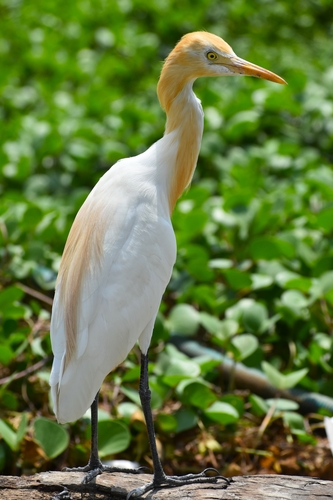
アマサギ (Ardea coromanda) アマサギ
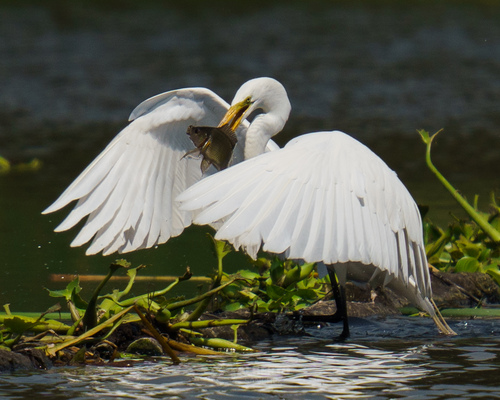
ダイサギ (Ardea alba) ダイサギ

メディア

読み込み中…

要点

フィールドでアマサギとダイサギを区別する最も信頼できる方法は、サイズと構造によるものです:ダイサギははるかに大きく、長い首と脚を持ち、アマサギはコンパクトで短い首を持ち、しばしば背中を丸めているように見えます。繁殖期には、アマサギは頭、喉、背中に金色のオレンジ色の羽毛を示しますが、ダイサギは全体が白く、背中にのみ繊細なレース状の羽毛を持ちます。くちばしと脚の色も役立ちます:ダイサギは黄色いくちばしと黒い脚を持ち、アマサギは黄色いくちばしと灰色がかった黄色の脚を持っています。生息地と行動も識別を強化することができます。アマサギは通常、牛の近くの陸上で餌を探しているのに対し、ダイサギは湿地を好み、家畜と一緒にいるのはめったに見られません。

識別のコツ

  1. サイズと構造: ダイサギははるかに大きく、高く、長い首と脚を持っています;アマサギはコンパクトで短い首を持ち、ずんぐりしています。これは、どの年齢や季節でも最も信頼できるフィールドマークです。
  2. 首の長さと姿勢: ダイサギは通常、首を完全に伸ばして立ち歩き、優雅で長く見えます。アマサギはしばしば背中を丸めて短くて太い首を持っているように見え、特に止まっているときや餌を探しているときにそう見えます。
  3. 脚の色: ダイサギは黒い脚と足を持っています(繁殖期には脚が少し明るく見えることがありますが)、アマサギは灰色がかった黄色の脚を持っています。これは、止まっている鳥と歩いている鳥の両方で見ることができます。
  4. くちばしの色と形: 両種は非繁殖期に黄色いくちばしを持っていますが、ダイサギのくちばしは長く、より細身で、全体のプロポーションに合っています。アマサギのくちばしは短くて太いです。
  5. 繁殖羽毛: 繁殖期には、アマサギは頭、喉、背中に金色のオレンジ色の羽毛を示し、バフ色が頬と喉にまで広がります。ダイサギは全体が白いままですが、背中にのみ長く、レース状の羽毛を成長させます。
  6. 飛行シルエット: 飛行中、ダイサギは長い首(引っ込められた)を示し、長い脚が尾を超えて引きずられ、大きく広い翼幅を持っています。アマサギははるかに小さく、短い首と脚を持ち、よりコンパクトで丸みを帯びた外観をしています。
  7. 家畜との関連: アマサギはほぼ常に牛や他の大型哺乳類の近くに見られ、しばしば乾燥した野原にいます。ダイサギは家畜を追いかけているのはめったに見られません。
  8. 生息地: ダイサギは湿地に関連しており、通常水中で歩いているのが見られます。アマサギは開けた野原、草原、農業地域を好み、しばしば水から遠く離れています。
  9. 行動: アマサギは、草を食べている動物の間を歩きながら餌を探し、地面から昆虫をついばみます。ダイサギは浅い水中で獲物を狙い、ゆっくりと慎重に動きます。
  10. 止まっている姿勢: 止まっているとき、ダイサギは直立して長く見えます;アマサギはより背中を丸めてずんぐりしています。
  11. 幼鳥/非繁殖羽毛: 両種はこの羽毛では全て白いです;サイズ、構造、生息地に依存して区別します。
  12. 声: 通常は役に立ちません。両種はコロニーから離れると静かですが、ダイサギの鳴き声はアマサギの柔らかい「リックラック」よりも大きく深いです。
  13. 季節的文脈: 繁殖羽毛の違いは繁殖期にのみ見られます;この期間外では、構造と行動に依存します。
  14. 落とし穴: くちばしの色だけに頼らないでください。両種とも黄色いくちばしを示すことがあります。脚の色と全体のサイズがより信頼できます。
  15. 疑問があるとき: 牛のいる野原で白いエグレットを見た場合、ほぼ確実にアマサギです;湿地にいる場合、特に大きくて優雅であれば、ダイサギの可能性が高いです。

大きさ

ダイサギはかなり大きいです:最大1メートルの高さに達し、長さは80〜104 cm、翼幅は131〜170 cm、体重は700〜1,500 gです [wikipedia]。アマサギははるかに小さく、ずんぐりしており、長さは46〜56 cm、翼幅は88〜96 cm、体重は270〜512 gです [wikipedia]。直接比較すると、ダイサギはほぼ2倍の重さで、はるかに高く、相対的に長い首と脚を持っています。

羽色

幼鳥と非繁殖羽毛は両種とも全白であるため、これらの年齢での区別にはサイズと構造が重要です。どちらの種にも特徴的な幼鳥の上翼パターンは記載されていないため、飛行中の視点は全体の形とサイズに依存します。繁殖期には、アマサギは頭、喉、下背部に金色のオレンジ色の羽毛を発達させ、バフ色が頬と喉にまで広がります—これは診断的で、ダイサギには見られません。繁殖羽毛のダイサギは全て白のままですが、背中に長く繊細な装飾的な羽毛(エグレット)を成長させます。くちばしと脚の色も役立ちます:ダイサギは黄色いくちばしと黒い脚/足を持っています(ただし、繁殖期にはくちばしが暗くなり、脚が少し明るくなることがあります)、アマサギは黄色いくちばしと灰色がかった黄色の脚を持っています。両種の幼鳥は非繁殖の成鳥に似ています。

行動

アマサギは最も頻繁に陸上で餌を探しているのが見られ、牛や他の大型哺乳類の近くを密接に追いかけて、彼らの動きによって乱された昆虫を捕まえます。背中を丸めた姿勢と短い首で歩く傾向があります。ダイサギはより水生で、通常は湿地、湖、川で歩いているのが見られ、家畜と関連することはめったにありません。首を伸ばして歩き、止まっているときや飛行中もはるかに優雅で長く見えます。飛行中、ダイサギは首を引っ込めますが、その大きなサイズと長い脚が後ろに引きずられるのは特徴的です。

生息環境

アマサギは開けた国、草原、農地、草を食べている動物の近くに見られ、しばしば水から遠く離れています。陸上での餌探しに適応しています。ダイサギは湿地の専門家で、湿地、湖、川、沿岸の生息地に見られます。範囲は重なることがありますが、好まれる微生息地は通常かなり異なります:アマサギは深い水に見られることはめったになく、ダイサギは家畜のいる乾燥した野原に見られることはめったにありません。

声

両種は一般的に繁殖コロニーから離れると静かです。アマサギはコロニーで静かで喉の「リックラック」と呼ばれる声を出しますが、それ以外は静かです。ダイサギもあまり声を出しませんが、繁殖地では低くて粗い鳴き声や大きな「クククク」と高音の鳴き声を出すことがあります。フィールドでは、鳴き声は区別にはあまり役立ちません。

より良い説明を送る

比較と同じ項目を使ってください。文章はすぐに公開されます。

The most reliable way to separate Eastern Cattle-Egret from Great White Egret in the field is by size and structure: Great White Egret is much larger, with a long neck and legs, while Eastern Cattle-Egret is compact, short-necked, and often appears hunched. In breeding season, Eastern Cattle-Egret shows golden-orange plumes on the head, throat, and back, while Great White Egret remains all white with delicate lacy plumes only on the back. Bill and leg color also help: Great White Egret has a yellow bill and black legs, while Eastern Cattle-Egret has a yellow bill and greyish-yellow legs. Habitat and behavior can reinforce the ID, as Eastern Cattle-Egret is usually found foraging on land near cattle, while Great White Egret prefers wetlands and is rarely seen associating with livestock.

  1. Size and Structure: Great White Egret is much larger and taller, with a long neck and legs; Eastern Cattle-Egret is compact, short-necked, and stocky. This is the most reliable field mark at any age or season.
  2. Neck Length and Posture: Great White Egret typically stands and walks with its neck fully extended, looking elegant and elongated. Eastern Cattle-Egret often appears hunched with a short, thick neck, especially when perched or foraging.
  3. Leg Color: Great White Egret has black legs and feet (sometimes legs may appear slightly lighter in breeding season), while Eastern Cattle-Egret has greyish-yellow legs. This is visible in both perched and walking birds.
  4. Bill Color and Shape: Both species have yellow bills in nonbreeding season, but Great White Egret's bill is longer and more slender, matching its overall proportions. Eastern Cattle-Egret's bill is shorter and stouter.
  5. Breeding Plumage: In breeding season, Eastern Cattle-Egret shows golden-orange plumes on the head, throat, and back, with the buff color extending to the cheeks and throat. Great White Egret remains all white but grows long, lacy plumes on the back only.
  6. Flight Silhouette: In flight, Great White Egret shows a long neck (retracted), long legs trailing well beyond the tail, and a large, broad wingspan. Eastern Cattle-Egret is much smaller, with shorter neck and legs, and a more compact, rounded appearance.
  7. Association with Livestock: Eastern Cattle-Egret is almost always found near cattle or other large mammals, often in dry fields. Great White Egret is rarely, if ever, seen following livestock.
  8. Habitat: Great White Egret is tied to wetlands and is typically seen wading in water. Eastern Cattle-Egret prefers open fields, grasslands, and agricultural areas, often far from water.
  9. Behavior: Eastern Cattle-Egret forages by walking among grazing animals, picking insects from the ground. Great White Egret stalks prey in shallow water, moving slowly and deliberately.
  10. Perched Posture: When perched, Great White Egret is upright and elongated; Eastern Cattle-Egret is more hunched and squat.
  11. Juvenile/Nonbreeding Plumage: Both species are all white in these plumages; rely on size, structure, and habitat for separation.
  12. Voice: Not usually helpful, as both are quiet away from colonies, but Great White Egret's croaks are louder and deeper than the cattle egret's soft 'rick-rack.'
  13. Seasonal Context: Breeding plumage differences are only visible during the nesting season; outside this period, rely on structure and behavior.
  14. Pitfalls: Do not rely on bill color alone, as both can show yellow bills. Leg color and overall size are more reliable.
  15. When in Doubt: If you see a white egret in a field with cattle, it's almost certainly Eastern Cattle-Egret; if it's in a wetland, especially if large and elegant, it's likely Great White Egret.

Great White Egret is substantially larger: it stands up to 1 meter tall, with a length of 80–104 cm and a wingspan of 131–170 cm, and weighs 700–1,500 g [wikipedia]. Eastern Cattle-Egret is much smaller and stockier, measuring 46–56 cm in length, with a wingspan of 88–96 cm, and weighs 270–512 g [wikipedia]. In direct comparison, Great White Egret is nearly twice as heavy and much taller, with a proportionally longer neck and legs.

Juvenile and nonbreeding plumages are all-white in both species, so size and structure are critical for separation at these ages. There are no distinctive juvenile upperwing patterns described for either species, so flight views rely on overall shape and size. In breeding season, Eastern Cattle-Egret develops golden-orange plumes on the head, throat, and lower back, with the buff color extending to the cheeks and throat—this is diagnostic and not shown by Great White Egret. Great White Egret in breeding plumage remains all white but grows long, delicate ornamental plumes (aigrettes) on the back. Bill and leg color are also useful: Great White Egret has a yellow bill and black legs/feet (though the bill may darken and the legs lighten slightly in breeding season), while Eastern Cattle-Egret has a yellow bill and greyish-yellow legs. Juveniles of both species resemble nonbreeding adults.

Eastern Cattle-Egret is most often seen foraging on land, closely following cattle or other large mammals to catch insects disturbed by their movement. It tends to walk with a hunched posture and short neck. Great White Egret is more aquatic, typically seen wading in wetlands, lakes, or rivers, and rarely associates with livestock. It walks with its neck extended and appears much more graceful and elongated both when perched and in flight. In flight, Great White Egret retracts its neck, but its large size and long legs trailing behind are distinctive.

Eastern Cattle-Egret is found in open country, grasslands, farmland, and near grazing animals, often far from water. It is adapted to terrestrial foraging. Great White Egret is a wetland specialist, found in marshes, lakes, rivers, and coastal habitats. While their ranges can overlap, their preferred microhabitats are usually quite different: Cattle-Egret is rarely seen in deep water, and Great White Egret is rarely seen in dry fields with livestock.

Both species are generally quiet away from breeding colonies. Eastern Cattle-Egret gives a quiet, throaty 'rick-rack' call at colonies, but is otherwise silent. Great White Egret is also not very vocal, but at breeding sites can give a low, hoarse croak or a loud 'cuk cuk cuk' and higher-pitched squawks. In the field, vocalizations are rarely helpful for separation.

変更を破棄しますか?

保存していない編集があります。今離れると失われます。

アマサギ · ダイサギ · 苦手な鳥