

Eastern Cattle-Egret vs Airone bianco maggiore
Ardea coromanda contro Ardea alba
Fai un quiz con Eastern Cattle-Egret e Airone bianco maggiore
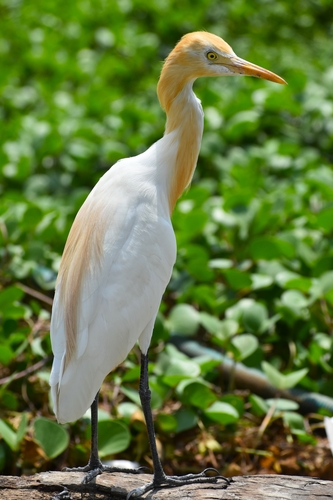 Eastern Cattle-Egret
 Airone bianco maggiore
In breve
Il modo più affidabile per separare l'Eastern Cattle-Egret dall'Airone bianco maggiore sul campo è attraverso le dimensioni e la struttura: l'Airone bianco maggiore è molto più grande, con un lungo collo e gambe, mentre l'Eastern Cattle-Egret è compatto, con collo corto e spesso appare curvo. Durante la stagione di riproduzione, l'Eastern Cattle-Egret mostra piume dorato-arancioni sulla testa, sulla gola e sulla schiena, mentre l'Airone bianco maggiore rimane completamente bianco con delicate piume a merletto solo sulla schiena. Anche il colore del becco e delle gambe aiuta: l'Airone bianco maggiore ha un becco giallo e gambe nere, mentre l'Eastern Cattle-Egret ha un becco giallo e gambe grigio-giallastre. L'habitat e il comportamento possono rafforzare l'identificazione, poiché l'Eastern Cattle-Egret si trova di solito a cercare cibo sulla terra vicino al bestiame, mentre l'Airone bianco maggiore preferisce le zone umide ed è raramente visto associarsi al bestiame.
Consigli di identificazione
- Size and Structure: L'Airone bianco maggiore è molto più grande e alto, con un lungo collo e gambe; l'Eastern Cattle-Egret è compatto, con collo corto e tozzo. Questo è il segno più affidabile sul campo a qualsiasi età o stagione.
- Neck Length and Posture: L'Airone bianco maggiore di solito sta e cammina con il collo completamente esteso, apparendo elegante ed allungato. L'Eastern Cattle-Egret appare spesso curvo con un collo corto e spesso, specialmente quando è posato o cerca cibo.
- Leg Color: L'Airone bianco maggiore ha gambe e piedi neri (a volte le gambe possono apparire leggermente più chiare durante la stagione di riproduzione), mentre l'Eastern Cattle-Egret ha gambe grigio-giallastre. Questo è visibile sia negli uccelli posati che in quelli in movimento.
- Bill Color and Shape: Entrambe le specie hanno beccucci gialli durante la stagione non riproduttiva, ma il becco dell'Airone bianco maggiore è più lungo e più snello, corrispondente alle sue proporzioni complessive. Il becco dell'Eastern Cattle-Egret è più corto e più robusto.
- Breeding Plumage: Durante la stagione di riproduzione, l'Eastern Cattle-Egret mostra piume dorato-arancioni sulla testa, sulla gola e sulla schiena, con il colore buff che si estende alle guance e alla gola. L'Airone bianco maggiore rimane completamente bianco ma sviluppa lunghe piume a merletto solo sulla schiena.
- Flight Silhouette: In volo, l'Airone bianco maggiore mostra un collo lungo (ritratto), lunghe gambe che si estendono ben oltre la coda e un'ampia apertura alare. L'Eastern Cattle-Egret è molto più piccolo, con collo e gambe più corte, e un aspetto più compatto e arrotondato.
- Association with Livestock: L'Eastern Cattle-Egret si trova quasi sempre vicino al bestiame o ad altri grandi mammiferi, spesso in campi asciutti. L'Airone bianco maggiore è raramente, se non mai, visto seguire il bestiame.
- Habitat: L'Airone bianco maggiore è legato alle zone umide ed è tipicamente visto guadare nell'acqua. L'Eastern Cattle-Egret preferisce campi aperti, praterie e aree agricole, spesso lontano dall'acqua.
- Behavior: L'Eastern Cattle-Egret cerca cibo camminando tra gli animali al pascolo, raccogliendo insetti dal terreno. L'Airone bianco maggiore insegue la preda in acque poco profonde, muovendosi lentamente e deliberatamente.
- Perched Posture: Quando è posato, l'Airone bianco maggiore è eretto e allungato; l'Eastern Cattle-Egret è più curvo e tozzo.
- Juvenile/Nonbreeding Plumage: Entrambe le specie sono completamente bianche in queste piumature; fare affidamento su dimensioni, struttura e habitat per la separazione.
- Voice: Non è generalmente utile, poiché entrambi sono silenziosi lontano dalle colonie, ma i gracidii dell'Airone bianco maggiore sono più forti e più profondi rispetto al morbido 'rick-rack' dell'Eastern Cattle-Egret.
- Seasonal Context: Le differenze nella piumatura di riproduzione sono visibili solo durante la stagione di nidificazione; al di fuori di questo periodo, fare affidamento su struttura e comportamento.
- Pitfalls: Non fare affidamento solo sul colore del becco, poiché entrambi possono mostrare beccucci gialli. Il colore delle gambe e le dimensioni complessive sono più affidabili.
- When in Doubt: Se vedi un airone bianco in un campo con bestiame, è quasi certamente un Eastern Cattle-Egret; se è in una zona umida, specialmente se grande ed elegante, è probabilmente un Airone bianco maggiore.
Taglia
L'Airone bianco maggiore è sostanzialmente più grande: raggiunge fino a 1 metro di altezza, con una lunghezza di 80–104 cm e un'apertura alare di 131–170 cm, e pesa 700–1.500 g [wikipedia]. L'Eastern Cattle-Egret è molto più piccolo e tozzo, misurando 46–56 cm di lunghezza, con un'apertura alare di 88–96 cm, e pesa 270–512 g [wikipedia]. In un confronto diretto, l'Airone bianco maggiore è quasi due volte più pesante e molto più alto, con un collo e gambe proporzionalmente più lunghi.
Piumaggio
Le piumature giovanili e non riproduttive sono completamente bianche in entrambe le specie, quindi dimensioni e struttura sono critiche per la separazione a queste età. Non ci sono schemi distintivi delle ali superiori giovanili descritti per nessuna delle due specie, quindi le visualizzazioni in volo si basano sulla forma e sulle dimensioni complessive. Durante la stagione di riproduzione, l'Eastern Cattle-Egret sviluppa piume dorato-arancioni sulla testa, sulla gola e sulla parte bassa della schiena, con il colore buff che si estende alle guance e alla gola—questo è diagnostico e non mostrato dall'Airone bianco maggiore. L'Airone bianco maggiore in piumaggio di riproduzione rimane completamente bianco ma sviluppa lunghe e delicate piume ornamentali (aigrettes) sulla schiena. Anche il colore del becco e delle gambe è utile: l'Airone bianco maggiore ha un becco giallo e gambe/piedi neri (anche se il becco può scurirsi e le gambe schiarirsi leggermente durante la stagione di riproduzione), mentre l'Eastern Cattle-Egret ha un becco giallo e gambe grigio-giallastre. I giovani di entrambe le specie assomigliano agli adulti non riproduttivi.
Comportamento
L'Eastern Cattle-Egret è più spesso visto cercare cibo sulla terra, seguendo da vicino il bestiame o altri grandi mammiferi per catturare insetti disturbati dal loro movimento. Tende a camminare con una postura curva e collo corto. L'Airone bianco maggiore è più acquatico, tipicamente visto guadare in zone umide, laghi o fiumi, e raramente si associa al bestiame. Cammina con il collo esteso e appare molto più elegante e allungato sia quando è posato che in volo. In volo, l'Airone bianco maggiore ritrae il collo, ma la sua grande dimensione e le lunghe gambe che si estendono dietro sono distintive.
Habitat
L'Eastern Cattle-Egret si trova in campagna aperta, praterie, terreni agricoli e vicino ad animali al pascolo, spesso lontano dall'acqua. È adattato alla ricerca di cibo terrestre. L'Airone bianco maggiore è uno specialista delle zone umide, trovato in paludi, laghi, fiumi e habitat costieri. Anche se i loro territori possono sovrapporsi, i loro microhabitat preferiti sono di solito molto diversi: l'Eastern Cattle-Egret è raramente visto in acque profonde, e l'Airone bianco maggiore è raramente visto in campi asciutti con bestiame.
Voce
Entrambe le specie sono generalmente silenziose lontano dalle colonie di riproduzione. L'Eastern Cattle-Egret emette un richiamo silenzioso e profondo 'rick-rack' nelle colonie, ma è altrimenti silenzioso. L'Airone bianco maggiore non è molto vocale, ma nei siti di riproduzione può emettere un gracidìo basso e rauco o un forte 'cuk cuk cuk' e squittii di tono più alto. Sul campo, le vocalizzazioni sono raramente utili per la separazione.
Eastern Cattle-Egret · Airone bianco maggiore · I miei uccelli difficili