

calhandra-do-deserto vs calhandrinha-do-turquestão
Ammomanes deserti versus Alaudala heinei
Jogue um quiz com calhandra-do-deserto e calhandrinha-do-turquestão
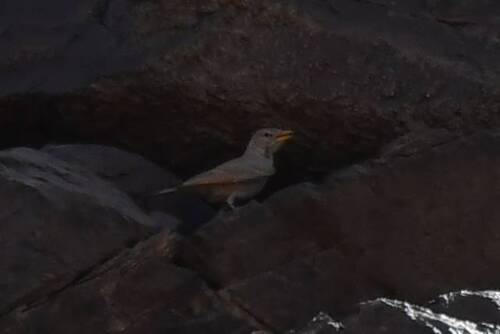 calhandra-do-deserto
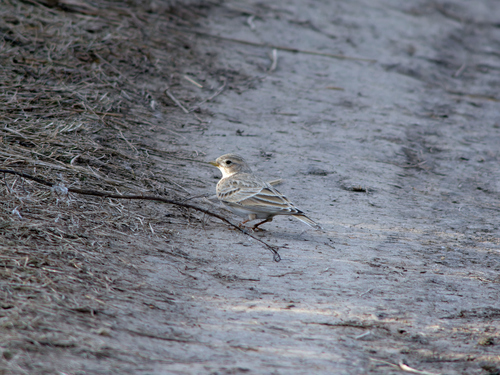 calhandrinha-do-turquestão
Em resumo
A marca de campo mais confiável para separar a calhandra-do-deserto da calhandrinha-do-turquestão é a estrutura geral: a calhandra-do-deserto é mais robusta, com um bico visivelmente maior e mais largo e uma cauda mais longa, enquanto a calhandrinha-do-turquestão é menor e mais delicada. Na plumagem, a calhandra-do-deserto é mais opaca e com cores mais variáveis, frequentemente com mais estrias na parte inferior e sem o padrão de cauda nitidamente definido de calhandras semelhantes. A calhandrinha-do-turquestão é geralmente mais clara e uniforme, com menos estrias e um bico mais curto e fino. Ambas as espécies podem ser variáveis, mas a atenção cuidadosa ao tamanho, forma do bico e estrias na parte inferior é fundamental. O estilo de voo e a postura em repouso são frequentemente decisivos quando a plumagem é ambígua.
Dicas de identificação
- Forma e tamanho do bico: A calhandra-do-deserto tem um bico visivelmente maior, mais largo e mais longo do que a calhandrinha-do-turquestão. Isso é frequentemente a primeira coisa a verificar, especialmente em repouso ou de perfil.
- Volume geral e aparência: A calhandra-do-deserto é mais robusta, com uma cabeça grande, pernas mais grossas e uma cauda mais longa. A calhandrinha-do-turquestão é menor, mais delicada e compacta.
- Estrias na parte inferior: A calhandra-do-deserto apresenta muito mais estrias na parte inferior de cor rosa-claro acinzentado, enquanto a calhandrinha-do-turquestão é menos estriada e mais uniforme na parte inferior. Esta é uma marca chave em todas as idades e estações.
- Variabilidade da plumagem: A calhandra-do-deserto é altamente variável na cor das partes superiores, combinando com o substrato local (arenoso, cinza ou escuro), enquanto a calhandrinha-do-turquestão é geralmente mais clara e menos variável. Cuidado com a sobreposição em formas claras ou arenosas.
- Padrão da cauda: A calhandra-do-deserto não possui uma faixa terminal preta nitidamente definida na cauda, mostrando no máximo uma mancha escura difusa. A calhandrinha-do-turquestão também não apresenta um padrão de cauda forte, mas a confusão com outras calhandras (por exemplo, a calhandra-das-dunas) é mais provável do que entre essas duas.
- Rufos nas asas e cauda: Algumas calhandras-do-deserto apresentam tons ruivos, mas isso não é um separador confiável da calhandrinha-do-turquestão, que também pode ter tons quentes em algumas luzes.
- Comportamento de empoleiramento: A calhandra-do-deserto frequentemente se empoleira em rochas ou pedras em desertos abertos, enquanto a calhandrinha-do-turquestão é mais propensa a ficar baixa ou em estepes abertas.
- Habitat: Se você estiver em um verdadeiro deserto ou semi-deserto rochoso, a calhandra-do-deserto é mais provável. Em estepes, campos abertos ou países menos áridos, a calhandrinha-do-turquestão é mais provável.
- Canto: Um canto melancólico e suave do chão ou de uma rocha é característico da calhandra-do-deserto. O canto da calhandrinha-do-turquestão não é descrito aqui, mas é improvável que seja tão rico ou suave.
- Estilo de voo: A calhandra-do-deserto pode mostrar um voo ondulante durante o canto, o que pode ajudar se vista bem.
- Sexo e idade: Ambas as espécies são semelhantes entre os sexos e idades em campo; concentre-se na estrutura e nas estrias em vez de marcas sutis de idade.
- Comparação direta: Se você ver ambas juntas, o tamanho maior da calhandra-do-deserto e seu bico mais pesado se destacam imediatamente.
- Distribuição geográfica: Verifique sua localização; a calhandra-do-deserto não é esperada fora das regiões de deserto verdadeiro, enquanto a calhandrinha-do-turquestão está ausente dos desertos mais áridos.
- Armadilhas: Cuidado com calhandras-do-deserto variáveis em áreas arenosas que aparecem muito claras, aproximando-se da aparência da calhandrinha-do-turquestão. Use a estrutura e as estrias na parte inferior para confirmar.
- Quando em dúvida: Se o pássaro for pequeno, com bico fino e uniforme na parte inferior em estepes ou países abertos, incline-se para a calhandrinha-do-turquestão; se maior, estriado na parte inferior e em deserto rochoso, favoreça a calhandra-do-deserto.
Tamanho
A calhandra-do-deserto é distintamente maior, medindo 16–17 cm de comprimento, com uma cabeça grande e um bico longo e largo [wikipedia]. A calhandrinha-do-turquestão é menor e mais compacta, com um bico visivelmente mais curto e fino. As pernas mais grossas e a cauda mais longa da calhandra-do-deserto enfatizam ainda mais sua aparência robusta. Essas diferenças de tamanho e estrutura geralmente são aparentes em comparação direta ou com experiência [wikipedia].
Plumagem
- Marcas de voo juvenil/imaturo/primeiro inverno: Nenhuma marca de padrão de asa ou voo específica para a idade é descrita para ambas as espécies nas fontes, portanto, o foco está na coloração geral e nas estrias.
- Calhandra-do-deserto: A plumagem é altamente variável, variando de marrom acinzentado claro a tons ruivos profundos ou escuros, dependendo do habitat e da subespécie. As partes inferiores são de um cinza rosa claro com muito mais estrias do que a calhandrinha-do-turquestão. Alguns indivíduos mostram rufo nas asas e na cauda, mas a cauda carece de uma faixa terminal preta nitidamente definida, mostrando em vez disso uma mancha escura difusa, no máximo. A variação de cor é extensa e combina com o substrato local, então cuidado com morfos arenosos ou escuros [wikipedia].
- Calhandrinha-do-turquestão: Geralmente mais clara e uniforme, com menos estrias na parte inferior. As partes superiores são menos variáveis e carecem dos tons ruivos profundos ou escuros vistos em algumas calhandras-do-deserto. O padrão da cauda não é destacado como uma marca forte nas fontes, mas a impressão geral é de um pássaro mais uniformemente colorido e menos estriado.
- Sexos: Ambas as espécies são sexualmente monomórficas na plumagem [wikipedia].
Comportamento
A calhandra-do-deserto frequentemente canta do chão ou de uma rocha e pode realizar uma exibição de canto em voo ondulante. Quando assustada, emite um chamado curto e agudo. O comportamento da calhandrinha-do-turquestão não é descrito em detalhes nas fontes, mas como uma típica calhandra de dedos curtos, é provável que seja mais furtiva e menos propensa a se empoleirar de forma proeminente. A construção mais robusta da calhandra-do-deserto e sua tendência a se empoleirar em rochas podem ser uma pista comportamental em terrenos abertos.
Habitat
A calhandra-do-deserto é estritamente um pássaro de desertos e semi-desertos do Marrocos ao oeste da Índia, frequentemente combinando sua plumagem com o substrato local (arenoso, rochoso ou basáltico). A calhandrinha-do-turquestão ocupa uma faixa mais ampla através de estepes, semi-desertos e países abertos da Ucrânia até a Ásia Central, Mongólia e Afeganistão. Embora ambas possam ocorrer em regiões áridas, a calhandra-do-deserto está mais intimamente ligada a desertos verdadeiros e habitats rochosos, enquanto a calhandrinha-do-turquestão é mais típica de estepes abertas e ambientes menos extremos [wikipedia].
Voz
O canto da calhandra-do-deserto é descrito como um 'choo-wee-chacha wooee' melancólico e suave, menos estridente do que o canto da calhandra-das-dunas, e é emitido do chão, de uma rocha ou em voo ondulante. Seu chamado quando assustada é um curto 'churree' ou 'chee-lu.' Nenhuma descrição vocal específica é fornecida para a calhandrinha-do-turquestão nas fontes, mas calhandras de dedos curtos geralmente têm canções mais trêmulas e menos suaves. Se você ouvir um canto rico e suave em um habitat de deserto verdadeiro, a calhandra-do-deserto é mais provável.
calhandra-do-deserto · calhandrinha-do-turquestão · Minhas aves difíceis