

Desert Lark vs Turkestan Short-toed Lark
Ammomanes deserti contro Alaudala heinei
Fai un quiz con Desert Lark e Turkestan Short-toed Lark
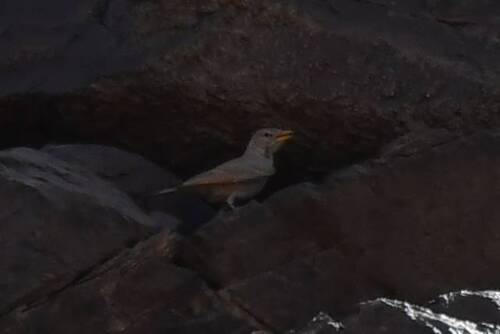 Desert Lark
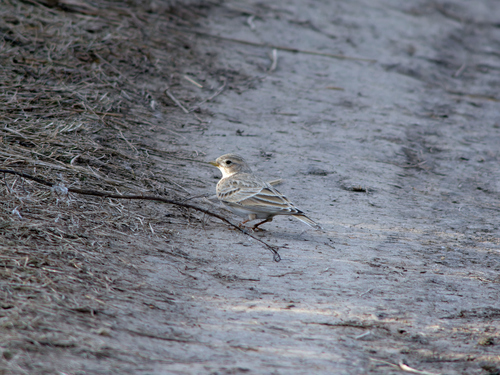 Turkestan Short-toed Lark
In breve
Il segno di campo più affidabile per separare il Desert Lark dal Turkestan Short-toed Lark è la struttura complessiva: il Desert Lark è più robusto, con un becco visibilmente più grande e largo e una coda più lunga, mentre il Turkestan Short-toed Lark è più piccolo e più delicato. Nella livrea, il Desert Lark è più opaco e di colore più variabile, spesso con più striature sotto e privo del modello di coda nettamente definito di lark simili. Il Turkestan Short-toed Lark è generalmente più chiaro e uniforme, con meno striature e un becco più corto e fine. Entrambe le specie possono essere variabili, ma prestare attenzione a dimensioni, forma del becco e striature delle parti inferiori è fondamentale. Il volo e l'aspetto in posizione per lo più sono decisivi quando la livrea è ambigua.
Consigli di identificazione
- Forma e dimensione del becco: Il Desert Lark ha un becco visibilmente più grande, più largo e più lungo rispetto al Turkestan Short-toed Lark. Questo è spesso la prima cosa da controllare, specialmente a riposo o di profilo.
- Massa complessiva e aspetto: Il Desert Lark è più robusto, con una grande testa, zampe più robuste e una coda più lunga. Il Turkestan Short-toed Lark è più piccolo, più delicato e compatto.
- Striature delle parti inferiori: Il Desert Lark mostra molte più striature sulle parti inferiori di un grigio rosa pallido, mentre il Turkestan Short-toed Lark è meno striato e più uniforme sotto. Questo è un segno chiave in tutte le età e stagioni.
- Variabilità della livrea: Il Desert Lark è altamente variabile nel colore delle parti superiori, abbinandosi al substrato locale (sabbioso, grigio o scuro), mentre il Turkestan Short-toed Lark è generalmente più chiaro e meno variabile. Fai attenzione alla sovrapposizione in forme chiare o sabbiose.
- Modello della coda: Il Desert Lark manca di una banda nera terminale nettamente definita sulla coda, mostrando al massimo una macchia scura diffusa. Il Turkestan Short-toed Lark non mostra un forte modello di coda, ma la confusione con altre lark (ad es. Allodola del deserto minore) è più probabile rispetto a queste due.
- Rufous nelle ali e nella coda: Alcuni Desert Larks mostrano toni rufous, ma questo non è un separatore affidabile dal Turkestan Short-toed Lark, che può anche avere toni caldi in alcune luci.
- Comportamento di posizionamento: Il Desert Lark spesso si posiziona su rocce o massi nel deserto aperto, mentre il Turkestan Short-toed Lark è più propenso a rimanere basso o nella steppa aperta.
- Habitat: Se ti trovi in un vero deserto o in un semi-deserto roccioso, è più probabile trovare il Desert Lark. Nella steppa, nei campi aperti o in paesi meno aridi, è più probabile trovare il Turkestan Short-toed Lark.
- Canto: Un canto dolce e malinconico dal terreno o da una roccia è caratteristico del Desert Lark. Il canto del Turkestan Short-toed Lark non è descritto qui, ma è improbabile che sia così ricco o dolce.
- Stile di volo: Il Desert Lark può mostrare un volo ondulato durante il canto, il che può aiutare se visto bene.
- Sesso e età: Entrambe le specie sono simili tra i sessi e le età sul campo; concentrati sulla struttura e sulle striature piuttosto che sui segni di età sottili.
- Confronto diretto: Se vedi entrambi insieme, la dimensione maggiore del Desert Lark e il suo becco più pesante si notano immediatamente.
- Gamma geografica: Controlla la tua posizione; il Desert Lark non è previsto al di fuori delle vere regioni desertiche, mentre il Turkestan Short-toed Lark è assente dai deserti più aridi.
- Trappole: Fai attenzione ai Desert Larks variabili in aree sabbiose che appaiono molto chiare, avvicinandosi all'aspetto del Turkestan Short-toed Lark. Usa la struttura e le striature delle parti inferiori per confermare.
- Quando hai dubbi: Se l'uccello è piccolo, con un becco fine e uniforme sotto nella steppa o in un paese aperto, inclina verso il Turkestan Short-toed Lark; se è più grande, striato sotto e in un deserto roccioso, favorisci il Desert Lark.
Taglia
Il Desert Lark è nettamente più grande, misurando 16–17 cm di lunghezza, con una grande testa e un becco lungo e largo [wikipedia]. Il Turkestan Short-toed Lark è più piccolo e più compatto, con un becco visibilmente più corto e fine. Le zampe più robuste e la coda più lunga del Desert Lark enfatizzano ulteriormente il suo aspetto più massiccio. Queste differenze di dimensione e struttura sono solitamente evidenti in un confronto diretto o con esperienza [wikipedia].
Piumaggio
- Giovanile/immaturo/primi segni di volo invernale: Non sono descritti segni specifici per l'ala superiore o il modello di volo per nessuna delle due specie nelle fonti, quindi ci si concentra sulla colorazione complessiva e sulle striature.
- Desert Lark: La livrea è altamente variabile, che va da un grigio bruno pallido a toni rufous profondi o scuri a seconda dell'habitat e della sottospecie. Le parti inferiori sono di un grigio rosa pallido con molte più striature rispetto al Turkestan Short-toed Lark. Alcuni individui mostrano rufous nelle ali e nella coda, ma la coda manca di una banda nera terminale nettamente definita, mostrando invece al massimo una macchia scura diffusa. La variazione di colore è ampia e si abbina al substrato locale, quindi fai attenzione alle forme sabbiose o scure [wikipedia].
- Turkestan Short-toed Lark: Generalmente più chiaro e uniforme, con meno striature sotto. Le parti superiori sono meno variabili e mancano dei toni rufous profondi o scuri visti in alcuni Desert Larks. Il modello della coda non è evidenziato come un segno forte nelle fonti, ma l'impressione generale è di un uccello più uniformemente colorato e meno striato.
- Sessi: Entrambe le specie sono sessualmente monomorfiche nella livrea [wikipedia].
Comportamento
Il Desert Lark spesso canta dal terreno o da un masso e può eseguire una dimostrazione di canto in volo ondulato. Quando viene spaventato, emette un breve e acuto richiamo. Il comportamento del Turkestan Short-toed Lark non è descritto in dettaglio nelle fonti, ma come una tipica lark a dita corte, è probabile che sia più furtivo e meno propenso a posarsi in modo prominente. La struttura più robusta del Desert Lark e la sua tendenza a posarsi su rocce possono essere un indizio comportamentale in terreni aperti.
Habitat
Il Desert Lark è rigorosamente un uccello di deserti e semi-deserti dal Marocco all'India occidentale, spesso abbinando la sua livrea al substrato locale (sabbioso, roccioso o basaltico). Il Turkestan Short-toed Lark occupa un'area più ampia attraverso la steppa, il semi-deserto e il paese aperto dall'Ucraina attraverso l'Asia Centrale fino alla Mongolia e all'Afghanistan. Sebbene entrambe possano verificarsi in regioni aride, il Desert Lark è più strettamente legato a veri habitat desertici e rocciosi, mentre il Turkestan Short-toed Lark è più tipico della steppa aperta e di ambienti meno estremi [wikipedia].
Voce
Il canto del Desert Lark è descritto come un 'choo-wee-chacha wooee' malinconico e dolce, meno stridulo rispetto al canto dell'allodola del deserto minore, ed è emesso dal terreno, da un masso o in volo ondulato. Il suo richiamo quando viene spaventato è un breve 'churree' o 'chee-lu.' Nessuna descrizione vocale specifica è fornita per il Turkestan Short-toed Lark nelle fonti, ma le lark a dita corte generalmente hanno canti più cinguettanti e meno dolci. Se senti un canto ricco e dolce in un habitat desertico vero, è più probabile che sia un Desert Lark.
Desert Lark · Turkestan Short-toed Lark · I miei uccelli difficili