

crested goshawk vs besra
Lophospiza trivirgata versus Tachyspiza virgata
Jogue um quiz com crested goshawk e besra
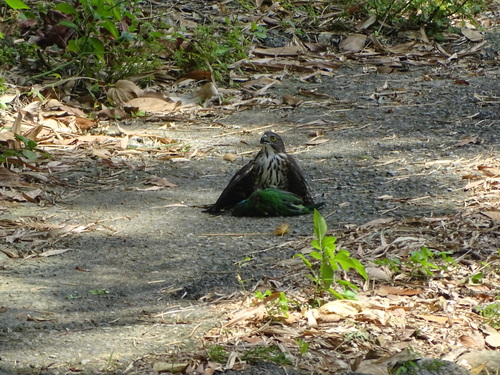 crested goshawk
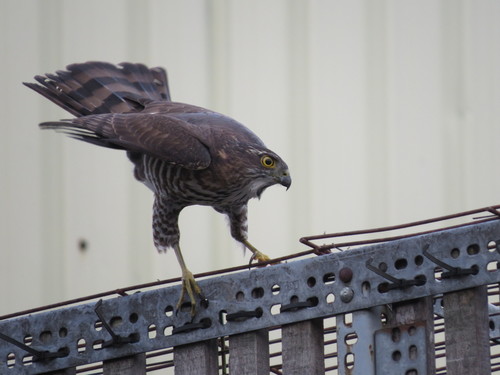 besra
Em resumo
A marca de campo mais confiável para separar o crested goshawk da besra é a presença de uma crista curta e distinta no crested goshawk, que é visível de perfil quando empoleirado ou alerta. O tamanho também é uma pista forte: o crested goshawk é notavelmente maior, especialmente nas fêmeas. Para imaturos, verifique a cor das partes inferiores—os juvenis de crested goshawk têm um fundo claro, enquanto os juvenis de besra são brancos por baixo. Ambas as espécies compartilham asas curtas e largas e caudas longas, tornando a estrutura sozinha menos útil, mas diferenças sutis no padrão da cabeça e nas barras das partes inferiores podem ajudar. O estilo de voo é semelhante, mas o crested goshawk tende a mostrar batidas de asa ligeiramente mais lentas e pesadas.
Dicas de identificação
- A crista do crested goshawk é a marca de campo mais confiável: procure uma crista curta e pontuda na cabeça, especialmente quando o pássaro está alerta ou agitado. A besra não possui crista.
- A diferença de tamanho é significativa, especialmente nas fêmeas: o crested goshawk é mais robusto e longo, mas cuidado com a sobreposição entre a pequena fêmea de crested goshawk e a grande fêmea de besra.
- Partes inferiores juvenis: os juvenis de crested goshawk têm um fundo claro nas partes inferiores, enquanto os juvenis de besra são brancos por baixo. Esta é uma marca chave para imaturos.
- Padrão da cabeça em adultos: os machos de crested goshawk têm uma coroa marrom escura e lados cinzentos na cabeça, com uma distinta faixa preta na bigode e na garganta. Os machos de besra são azul-cinza acima, sem o forte contraste entre a coroa e os lados.
- Barras nas partes inferiores: o crested goshawk mostra listras ruivas no peito e barras na barriga (machos), ou listras e barras marrons (fêmeas). A besra é mais limpa nas barras marrom-avermelhadas por baixo, especialmente nos machos, com menos listras.
- Faixa gular: a besra tem uma faixa gular mais larga do que o crested goshawk, mas essa marca pode ser sutil e variável.
- Padrão da cauda superior: a besra de todas as idades mostra 3–4 bandas escuras de tamanho igual na cauda superior, visíveis em voo ou quando empoleiradas com a cauda aberta. O padrão da cauda do crested goshawk não é descrito dessa forma, então uma cauda claramente listrada favorece a besra.
- Estilo de voo: o voo do crested goshawk é mais pesado e mais lento ('bater lento, bater lento, planar'), enquanto a besra é mais rápida e mais parecida com um gavião ('bater–bater–planar'). Isso é sutil e melhor usado com experiência.
- A forma da cabeça do crested goshawk parece mais angular e proeminente devido à crista, enquanto a cabeça da besra é suavemente arredondada.
- Cor das partes superiores: a besra é de um azul-cinza mais escuro (macho) ou marrom (fêmea) acima; o crested goshawk é geralmente mais marron, especialmente nas fêmeas.
- Pernas e dedos: a besra é notada por pernas e dedos finos e longos, mas essa é uma marca menor e difícil de julgar a menos que seja vista bem.
- Contexto do habitat: enquanto ambas podem ser encontradas em florestas densas, a besra é mais provável em áreas de floresta aberta e até mesmo em áreas cultivadas no inverno, então um pássaro em tal habitat é mais provável de ser uma besra, mas não exclusivamente.
- Dimorfismo sexual: ambas as espécies mostram fêmeas maiores, mas a diferença é mais pronunciada no crested goshawk.
- Postura empoleirada: o crested goshawk frequentemente parece mais robusto e ereto, com a crista dando um perfil distinto. A besra é mais esbelta e compacta.
- Armadilhas de plumagem: ambas podem mostrar barras e listras semelhantes por baixo, então sempre combine múltiplas marcas—crista, tamanho, cor das partes inferiores (em juvenis) e padrão da cauda são as mais confiáveis.
Tamanho
O crested goshawk é o maior dos dois, medindo 30–46 cm de comprimento, com fêmeas muito maiores que machos. A besra é menor, com 29–36 cm. Essa diferença de tamanho é mais óbvia quando as fêmeas são comparadas, já que as fêmeas de crested goshawk podem parecer notavelmente mais robustas e com caudas mais longas do que até mesmo a maior besra. No entanto, a sobreposição na extremidade inferior do tamanho do crested goshawk e na extremidade superior do tamanho da besra significa que o tamanho sozinho deve ser usado com cautela, a menos que ambos os sexos sejam conhecidos.
Plumagem
- Juvenis/imaturos: os juvenis de crested goshawk têm um fundo claro nas partes inferiores com franjas pálidas nas penas da cabeça, enquanto os juvenis de besra são brancos por baixo com barras marrons e são marrons escuros por cima. Ambos têm partes inferiores barradas, mas a cor de fundo é diagnóstica nesta idade.
- Adultos: os machos de crested goshawk mostram uma coroa marrom escura, lados cinzentos na cabeça, e faixas pretas na bigode e na garganta, com partes inferiores claras marcadas por listras ruivas no peito e barras na barriga. As fêmeas são mais marrons na cabeça e partes inferiores, com listras e barras marrons. Os machos adultos de besra são azul-cinza escuro acima, brancos por baixo com barras marrons-avermelhadas; as fêmeas são mais marrons acima e igualmente barradas por baixo. Ambos os sexos de besra têm 3–4 bandas escuras de tamanho igual na cauda superior, uma característica não especificamente descrita para o crested goshawk. A besra é, em geral, mais escura acima e tem uma faixa gular mais larga do que o crested goshawk.
Comportamento
Ambas as espécies são rapinantes ágeis de floresta com técnicas de caça semelhantes, dependendo de ataques surpresa a partir de cobertura. Em voo, o crested goshawk usa um padrão de 'bater lento, bater lento, planar', que é ligeiramente mais lento e pesado do que o 'bater–bater–planar' da besra. Ambas são adaptadas para manobrar através de florestas densas, mas o crested goshawk pode parecer mais poderoso e deliberado em seus movimentos devido ao seu tamanho maior.
Habitat
Ambas as espécies habitam florestas densas em toda a Ásia tropical e subtropical. A besra é mais provável de ser encontrada em uma gama mais ampla de habitats florestais, incluindo floresta aberta, savana e até mesmo áreas cultivadas no inverno. O crested goshawk está tipicamente associado a florestas maduras e bordas de floresta, mas a sobreposição de habitat é extensa, então o contexto é apenas fracamente diagnóstico.