

Crested Goshawk vs Besra
Lophospiza trivirgata contro Tachyspiza virgata
Fai un quiz con Crested Goshawk e Besra
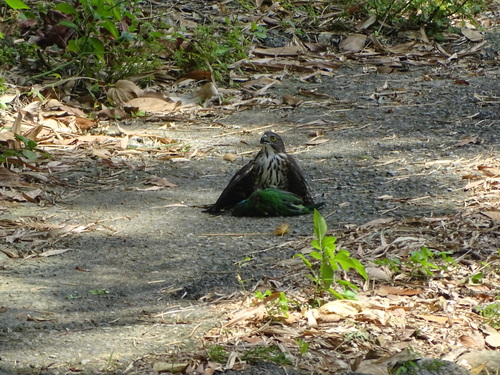 Crested Goshawk
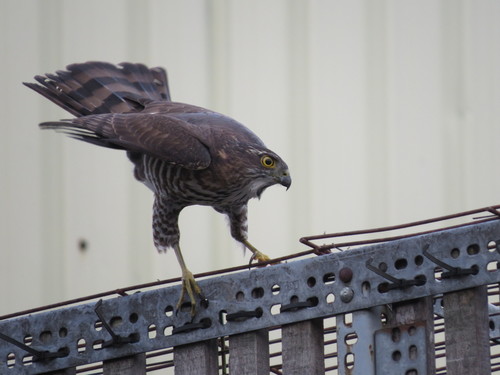 Besra
In breve
Il segno distintivo più affidabile per separare il Crested Goshawk dal Besra è la presenza di una cresta corta e distinta sul Crested Goshawk, visibile di profilo quando è posato o all'erta. La dimensione è anche un forte indizio: il Crested Goshawk è notevolmente più grande, specialmente nelle femmine. Per gli immaturi, controlla il colore delle parti inferiori: i giovani Crested Goshawk hanno uno sfondo color crema, mentre i giovani Besra sono bianchi sotto. Entrambe le specie condividono ali corte e larghe e lunghe code, rendendo la struttura da sola meno utile, ma differenze sottili nel pattern della testa e nelle barre delle parti inferiori possono aiutare. Lo stile di volo è simile, ma il Crested Goshawk tende a mostrare battiti d'ala leggermente più lenti e pesanti.
Consigli di identificazione
- La cresta del Crested Goshawk è il segno distintivo più affidabile: cerca una cresta corta e appuntita sulla testa, specialmente quando l'uccello è all'erta o agitato. Il Besra non ha alcuna cresta.
- La differenza di dimensione è significativa, specialmente nelle femmine: il Crested Goshawk è più robusto e lungo, ma fai attenzione all'overlap tra piccole femmine di Crested Goshawk e grandi femmine di Besra.
- Parti inferiori giovanili: i giovani Crested Goshawk hanno uno sfondo color crema nelle parti inferiori, mentre i giovani Besra sono bianchi sotto. Questo è un segno chiave per gli immaturi.
- Pattern della testa negli adulti: i maschi di Crested Goshawk hanno una corona marrone scuro e lati grigi della testa, con una distintiva striscia nera moustachial e una striscia sulla gola. I maschi di Besra sono blu-grigi sopra senza il forte contrasto di corona e lati.
- Barre delle parti inferiori: il Crested Goshawk mostra striature rugginose sul petto e barre sull'addome (maschi), o striature e barre marroni (femmine). Il Besra è più pulito con barre marrone rugginoso sotto, specialmente nei maschi, con meno striature.
- Striscia gulare: il Besra ha una striscia gulare più ampia rispetto al Crested Goshawk, ma questo segno può essere sottile e variabile.
- Pattern della coda superiore: il Besra di tutte le età mostra 3–4 bande scure di dimensioni uguali sulla coda superiore, visibili in volo o quando è posato con la coda aperta. Il pattern della coda del Crested Goshawk non è descritto in questo modo, quindi una coda chiaramente a bande favorisce il Besra.
- Stile di volo: il volo del Crested Goshawk è più pesante e lento ('battito lento, battito lento, planata'), mentre il Besra è più veloce e più simile a un falco ('battito-battito-planata'). Questo è sottile e meglio utilizzato con esperienza.
- La forma della testa del Crested Goshawk appare più angolare e prominente a causa della cresta, mentre la testa del Besra è arrotondata in modo uniforme.
- Colore delle parti superiori: il Besra è di un blu-grigio più scuro (maschio) o marrone (femmina) sopra; il Crested Goshawk è generalmente più marrone, specialmente nelle femmine.
- Zampe e dita: il Besra è noto per avere zampe e dita sottili e lunghe, ma questo è un segno minore e difficile da giudicare a meno che non sia visto bene.
- Contesto dell'habitat: mentre entrambi possono essere trovati in foreste dense, il Besra è più probabile in boschi aperti e persino in aree coltivate in inverno, quindi un uccello in tale habitat è più probabile che sia un Besra, ma non esclusivamente.
- Dimorfismo sessuale: entrambe le specie mostrano femmine più grandi, ma la differenza è più pronunciata nel Crested Goshawk.
- Aspetto posato: il Crested Goshawk appare spesso più robusto e più eretto, con la cresta che conferisce un profilo distintivo. Il Besra è più snello e compatto.
- Trappole del piumaggio: entrambe le specie possono mostrare barre e striature simili sotto, quindi combina sempre più segni: cresta, dimensione, colore delle parti inferiori (negli immaturi) e pattern della coda sono i più affidabili.
Taglia
Il Crested Goshawk è il più grande dei due, misurando 30–46 cm di lunghezza, con femmine molto più grandi dei maschi. Il Besra è più piccolo, a 29–36 cm. Questa differenza di dimensione è più evidente quando si confrontano le femmine, poiché le femmine di Crested Goshawk possono apparire notevolmente più robuste e con code più lunghe rispetto anche al più grande Besra. Tuttavia, l'overlap nella parte inferiore del Crested Goshawk e nella parte superiore del Besra significa che la dimensione da sola dovrebbe essere usata con cautela a meno che entrambi i sessi non siano noti.
Piumaggio
- Giovani/immaturi: i giovani Crested Goshawk hanno uno sfondo color crema nelle parti inferiori con frange chiare sulle piume della testa, mentre i giovani Besra sono bianchi sotto con barre marroni e sono marroni scuri sopra. Entrambi hanno parti inferiori barrate, ma il colore di fondo è diagnostico a questa età.
- Adulti: i maschi di Crested Goshawk mostrano una corona marrone scuro, lati grigi della testa e strisce nere moustachial e sulla gola, con parti inferiori chiare segnate da striature rugginose sul petto e barre sull'addome. Le femmine sono più marroni sulla testa e nelle parti inferiori, con striature e barre marroni. I maschi adulti di Besra sono di un blu-grigio scuro sopra, bianchi sotto con barre marrone-rossiccio; le femmine sono più marroni sopra e simmetricamente barrate sotto. Entrambi i sessi di Besra hanno 3–4 bande scure di dimensioni uguali sulla coda superiore, una caratteristica non specificamente descritta per il Crested Goshawk. Il Besra è complessivamente più scuro sopra e ha una striscia gulare più ampia rispetto al Crested Goshawk.
Comportamento
Entrambe le specie sono rapaci forestali agili con tecniche di caccia simili, facendo affidamento su attacchi a sorpresa da nascondigli. In volo, il Crested Goshawk utilizza un pattern di 'battito lento, battito lento, planata', che è leggermente più lento e pesante rispetto al 'battito-battito-planata' del Besra. Entrambi sono adattati per manovrare attraverso boschi densi, ma il Crested Goshawk può apparire più potente e deliberato nei suoi movimenti a causa della sua dimensione maggiore.
Habitat
Entrambe le specie abitano foreste dense in tutta l'Asia tropicale e subtropicale. Il Besra è più probabile che si trovi in una gamma più ampia di habitat boschivi, inclusi boschi aperti, savana e persino aree coltivate in inverno. Il Crested Goshawk è tipicamente associato a foreste mature e margini forestali, ma l'overlap degli habitat è esteso, quindi il contesto è solo debolmente diagnostico.