

papa-amoras-comum vs chasco-cinzento
Curruca communis versus Oenanthe oenanthe
Jogue um quiz com papa-amoras-comum e chasco-cinzento
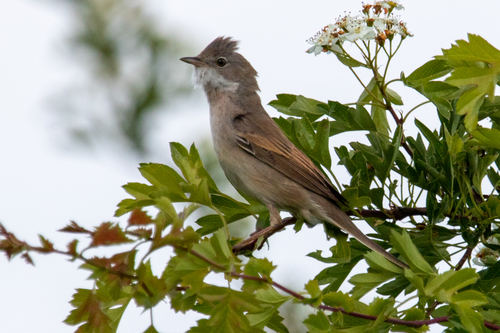 papa-amoras-comum
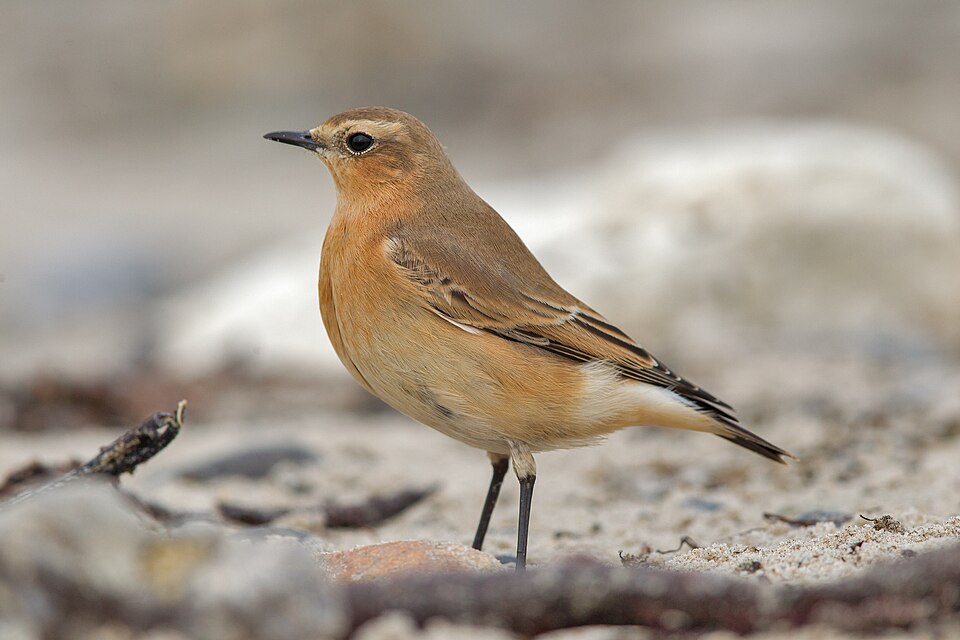 chasco-cinzento
Em resumo
A marca de campo mais confiável para separar o papa-amoras-comum do chasco-cinzento é a distinta cauda branca e o padrão de cauda em forma de T preto do chasco, visível em todas as idades e especialmente óbvio em voo. Os papa-amoras nunca mostram esse padrão de cauda, tendo caudas marrons simples. Em vistas empoleiradas, note a construção menor e mais esbelta do papa-amoras e a cabeça cinza e garganta branca do macho, enquanto os chascos são mais robustos, com postura ereta e uma máscara facial ousada (nos machos). As plumagens juvenis e femininas podem causar confusão, mas o padrão de cauda e rabo, junto com a estrutura e habitat, permanecem pistas fortes. A voz e o comportamento oferecem suporte adicional, especialmente se a plumagem estiver obscurecida.
Dicas de identificação
- Rabo branco e cauda em T preto (todas as idades, todas as estações): Apenas o chasco-cinzento mostra um rabo branco brilhante e uma cauda com um padrão em T preto invertido, especialmente óbvio em voo ou quando balançando a cauda. O papa-amoras nunca mostra isso; sua cauda é marron simples.
- Postura empoleirada e jizz: O chasco empoleira-se ereto, frequentemente em rochas ou solo aberto, e parece mais robusto e de pernas mais longas. O papa-amoras é mais esbelto, empoleira-se mais baixo em arbustos e parece mais delicado.
- Padrão da cabeça do macho (época de reprodução): O macho papa-amoras tem uma cabeça cinza clara e garganta branca, contrastando com as partes superiores marrons. O macho chasco tem costas cinzas, garganta clara, asas pretas e uma máscara facial preta ousada.
- Confusão entre fêmeas/juvenis: A fêmea e o jovem chasco são marrons claros acima e claros abaixo, semelhantes à fêmea do papa-amoras, mas sempre verifique o padrão de rabo e cauda brancos. As fêmeas do papa-amoras são mais marrons acima, com uma garganta mais opaca e não têm branco na cauda.
- Padrão das asas: O chasco de todas as idades tem asas escuras (especialmente os machos), contrastando com o corpo claro. O papa-amoras tem asas marrons com bordas castanhas, nunca tão escuras ou contrastantes quanto o chasco.
- Movimento da cauda: O chasco frequentemente balança sua cauda, exibindo o padrão de rabo e cauda brancos. O papa-amoras não exibe esse comportamento.
- Contexto de habitat: Pássaros em solo aberto, pedregoso ou gramado são provavelmente chascos; aqueles em arbustos densos ou cercas vivas são provavelmente papa-amoras.
- Estilo de voo: O chasco faz voos mais longos e saltitantes sobre solo aberto, frequentemente mostrando o rabo; o papa-amoras faz voos curtos e baixos entre arbustos.
- Vocalizações: O papa-amoras emite uma canção arranhada e reprovadora e chamados nasais de um abrigo. O chamado do chasco é um "chack" agudo e sua canção é assobiada e estaladiça, frequentemente emitida de um poleiro ou em voo.
- Formato do bico: O bico do chasco é ligeiramente mais robusto e mais parecido com o de um pega-insetos, adequado para capturar insetos no solo. O bico do papa-amoras é mais fino e mais parecido com o de um tentilhão.
- Tamanho: O chasco é maior e mais pesado que o papa-amoras, mas isso é sutil a menos que vistos lado a lado.
- Padrão facial (machos): Os machos do chasco têm uma máscara facial preta ousada, ausente no papa-amoras.
- Contexto sazonal: Ambos são migrantes, mas o chasco é mais provável em habitats abertos durante a passagem; o papa-amoras se mantém em abrigo.
- Cor das pernas: Não é diagnóstico entre esses dois, mas as pernas mais longas do chasco são notáveis em postura ereta.
- Quando em dúvida: Se você vê um rabo branco e uma cauda em T preta, é sempre chasco; se o pássaro está em arbustos densos com uma cabeça cinza e garganta branca (macho), é papa-amoras.
Tamanho
O chasco-cinzento é visivelmente maior e mais pesado que o papa-amoras-comum. O papa-amoras tem uma média de cerca de 14,5 g de massa corporal, enquanto o chasco varia de 17 a 30 g e é mais longo (14,5 a 16 cm contra o tamanho menor do papa-amoras). O chasco também tem uma envergadura maior (26 a 32 cm) e uma postura mais robusta e ereta. No campo, o chasco frequentemente parece mais robusto e de pernas mais longas, enquanto o papa-amoras é mais delicado e esbelto.
Plumagem
- Juvenis/Primeiros anos: O chasco de todas as idades mostra um rabo branco marcante e uma cauda com um padrão em T preto invertido, especialmente visível em voo ou quando balança a cauda. O papa-amoras, independentemente da idade, nunca mostra branco na cauda ou rabo; sua cauda é marron simples sem padrão.
- Machos adultos: Os machos papa-amoras têm uma cabeça cinza e garganta branca brilhante, contrastando com as partes superiores marrons e asas com bordas castanhas. Os machos chascos no verão têm partes superiores cinzas, garganta clara, asas pretas e uma máscara facial preta ousada.
- Fêmeas e aves de outono: As fêmeas do papa-amoras são marrons acima e claras abaixo, sem a cabeça cinza e com uma garganta mais opaca. As fêmeas do chasco são marrons claras acima, claras abaixo e têm asas marrons mais escuras, mas ainda mantêm o rabo branco e a cauda em T preta. No outono, os machos chascos se assemelham às fêmeas, mas mantêm as asas pretas.
- Contraste chave: O padrão de cauda e rabo do chasco é único e diagnóstico em todas as idades e estações; o papa-amoras nunca mostra essa característica.
Comportamento
Os chascos frequentemente empoleiram-se eretos em rochas ou solo aberto, balançando frequentemente suas caudas e fazendo voos curtos e saltitantes que exibem seu rabo e padrão de cauda brancos. Eles também podem correr ou saltitar no solo, refletindo seus hábitos de campo aberto. Os papa-amoras são mais propensos a serem vistos flutuando através de arbustos, fazendo voos curtos e baixos entre arbustos, e raramente empoleiram-se no aberto por muito tempo. Seus movimentos são mais furtivos e menos eretos, e eles raramente mostram o mesmo comportamento de balançar a cauda que o chasco.
Habitat
Os papa-amoras são tipicamente encontrados em vegetação densa e arbustiva, cercas vivas ou áreas de silvas, frequentemente em bordas de campos ou florestas. Eles evitam solo aberto e pedregoso. Em contraste, os chascos-cinzentos preferem habitats abertos, frequentemente rochosos ou gramados, como charnecas, falésias costeiras, pastagens de montanha e campos pedregosos. Encontrar um pássaro em um campo aberto ou em uma rocha favorece fortemente o chasco, enquanto arbustos densos e cercas sugerem o papa-amoras.
Voz
A canção do papa-amoras é rápida, arranhada e reprovadora, com um chamado rouco e nasal ("wed-wed" ou "woid-woid") e um grito de aviso áspero. A canção do chasco é assobiada e estaladiça, e seu chamado é um "chack" agudo ou nota semelhante a um bate-papo, com um chamado de voo semelhante. Se você ouvir uma canção arranhada e reprovadora de um arbusto, é provável que seja um papa-amoras; um chamado assobiado e semelhante a um bate-papo de solo aberto aponta para o chasco.