

Sterpazzola vs Culbianco
Curruca communis contro Oenanthe oenanthe
Fai un quiz con Sterpazzola e Culbianco
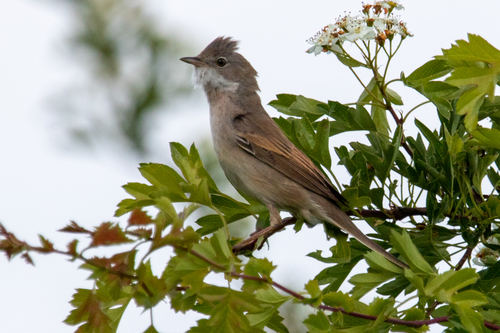 Sterpazzola
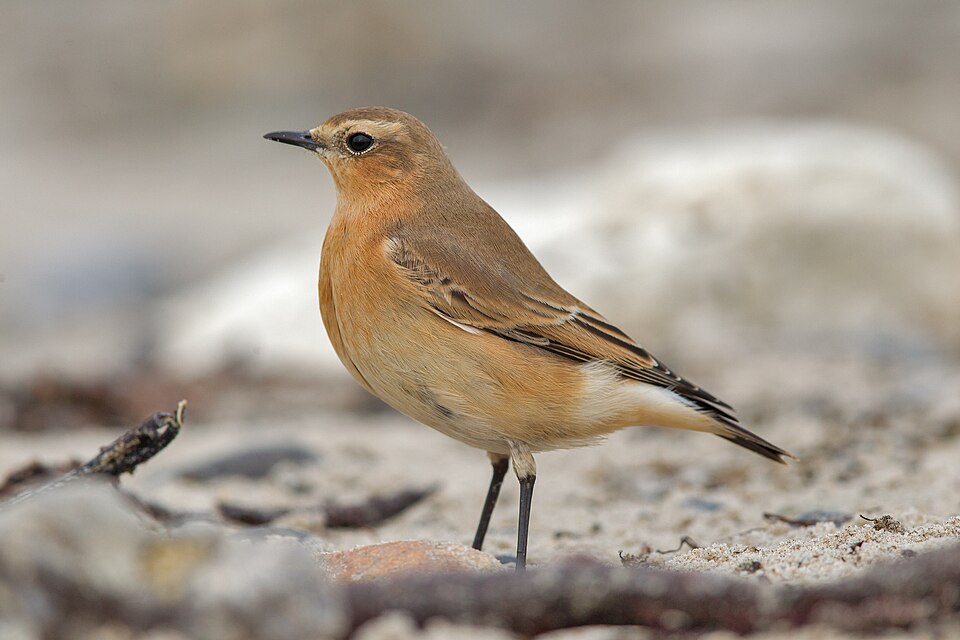 Culbianco
In breve
Il segno di campo più affidabile per separare la Sterpazzola dalla Culbianco è il caratteristico sopracciglio bianco e il modello di coda a T nera della culbianco, visibile in tutte le età e particolarmente evidente in volo. Le sterpazzole non mostrano mai questo modello di coda, avendo invece code marroni uniformi. In vista da posato, nota la costruzione più piccola e snella della sterpazzola e la testa grigia e la gola bianca del maschio, mentre le culbianche sono più robuste con una postura eretta e una maschera facciale audace (nei maschi). Le piume giovanili e femminili possono causare confusione, ma il modello di coda e di sopracciglio, insieme alla struttura e all'habitat, rimangono indizi forti. La voce e il comportamento offrono ulteriore supporto, specialmente se le piume sono oscurate.
Consigli di identificazione
- Sopracciglio bianco e coda a T nera (tutte le età, tutte le stagioni): Solo la Culbianco mostra un sopracciglio bianco brillante e una coda con un modello a T invertito nero, particolarmente evidente in volo o quando sbatte la coda. La sterpazzola non mostra mai questo; la sua coda è marrone uniforme.
- Postura da posato e jizz: La culbianco si posiziona eretta, spesso su rocce o terreno aperto, e appare più robusta e con gambe più lunghe. La sterpazzola è più snella, si posiziona più in basso nei cespugli e appare più delicata.
- Modello della testa maschile (stagione di riproduzione): Il maschio della sterpazzola ha una chiara testa grigia e una gola bianca, in contrasto con le parti superiori marroni. Il maschio della culbianco ha un dorso grigio, una gola color crema, ali nere e una maschera facciale nera audace.
- Confusione femminile/immatura: La femmina e il giovane della culbianco sono marroni chiaro sopra e color crema sotto, simili alla femmina della sterpazzola, ma controlla sempre il sopracciglio bianco e il modello di coda. Le femmine della sterpazzola sono più marroni sopra, con una gola più opaca e non hanno bianco nella coda.
- Modello delle ali: La culbianco di tutte le età ha ali nere (soprattutto nei maschi), in contrasto con il corpo chiaro. La sterpazzola ha ali marroni con bordi castani, mai così scure o contrastanti come la culbianco.
- Movimento della coda: La culbianco sbatte frequentemente la coda, mostrando il sopracciglio bianco e il modello di coda. La sterpazzola non mostra questo comportamento.
- Contesto dell'habitat: Gli uccelli in terreni aperti, rocciosi o erbosi sono probabilmente culbianche; quelli in cespugli densi o siepi sono probabilmente sterpazzole.
- Stile di volo: La culbianco compie voli più lunghi e saltellanti su terreni aperti, mostrando spesso il sopracciglio; la sterpazzola compie voli brevi e bassi tra i cespugli.
- Vocalizzazioni: La sterpazzola emette un canto graffiante e rimproverante e richiami nasali da un riparo. Il richiamo della culbianco è un "chack" acuto e il suo canto è fischiante e frizzante, spesso emesso da un posato o in volo.
- Forma del becco: Il becco della culbianco è leggermente più robusto e più simile a quello di un catturatore di insetti, adatto a catturare insetti a terra. Il becco della sterpazzola è più fine e più simile a quello di un warbler.
- Dimensione: La culbianco è più grande e pesante della sterpazzola, ma questo è sottile a meno che non siano viste fianco a fianco.
- Modello del viso (maschi): I maschi della culbianco hanno una maschera facciale nera audace, assente nella sterpazzola.
- Contesto stagionale: Entrambi sono migratori, ma la culbianco è più probabile in habitat aperti durante il passaggio; la sterpazzola rimane coperta.
- Colore delle gambe: Non diagnostico tra questi due, ma le gambe più lunghe della culbianco sono evidenti in postura eretta.
- Quando in dubbio: Se vedi un sopracciglio bianco e una coda a T nera, è sempre una culbianco; se l'uccello è in cespugli densi con una testa grigia e una gola bianca (maschio), è una sterpazzola.
Taglia
La Culbianco è notevolmente più grande e pesante della Sterpazzola. La sterpazzola pesa in media circa 14,5 g, mentre la culbianco varia da 17 a 30 g ed è più lunga (14,5–16 cm contro la dimensione più piccola della sterpazzola). La culbianco ha anche un'apertura alare più lunga (26–32 cm) e una postura più robusta ed eretta. Sul campo, la culbianco appare spesso più robusta e con gambe più lunghe, mentre la sterpazzola è più delicata e snella.
Piumaggio
- Giovanili/Primi anni: La culbianco di tutte le età mostra un sopracciglio bianco e una coda con un modello a T invertito nero, particolarmente visibile in volo o quando sbatte la coda. La sterpazzola, indipendentemente dall'età, non mostra mai bianco nella coda o nel sopracciglio; la sua coda è marrone uniforme senza modello.
- Maschi adulti: I maschi della sterpazzola hanno una testa grigia e una gola bianca brillante, in contrasto con le parti superiori marroni e le ali bordate di castano. I maschi della culbianco in estate hanno parti superiori grigie, una gola color crema, ali nere e una maschera facciale nera audace.
- Femmine e uccelli autunnali: Le femmine della sterpazzola sono marroni sopra e color crema sotto, prive della testa grigia e con una gola più opaca. Le femmine della culbianco sono marroni chiaro sopra, color crema sotto, e hanno ali marroni più scure, ma mantengono sempre il sopracciglio bianco e la coda a T nera. In autunno, i maschi delle culbianche somigliano alle femmine ma mantengono le ali nere.
- Contrasto chiave: Il modello di coda e sopracciglio della culbianco è unico e diagnostico in tutte le età e stagioni; la sterpazzola non mostra mai questa caratteristica.
Comportamento
Le culbianche spesso si posano erette su rocce o terreno aperto, sbattendo frequentemente le loro code e compiendo voli brevi e saltellanti che mostrano il loro sopracciglio bianco e il modello di coda. Possono anche correre o saltellare a terra, riflettendo le loro abitudini di campagna aperta. Le sterpazzole sono più propense a essere viste saltellare tra i cespugli, compiendo voli brevi e bassi tra i cespugli, e raramente si posano in aperto per lungo tempo. I loro movimenti sono più furtivi e meno eretti, e mostrano raramente lo stesso comportamento di sbattere la coda della culbianco.
Habitat
Le sterpazzole si trovano tipicamente in vegetazione densa e cespugliosa, siepi o rovi, spesso in terreni agricoli o ai margini dei boschi. Evitano terreni aperti e rocciosi. Al contrario, le culbianche preferiscono habitat aperti, spesso rocciosi o erbosi come brughiere, scogliere costiere, pascoli montani e campi rocciosi. Trovare un uccello in un campo aperto o su una roccia favorisce fortemente la culbianco, mentre cespugli densi e siepi suggeriscono la sterpazzola.
Voce
Il canto della sterpazzola è veloce, graffiante e rimproverante, con un richiamo nasale rauco ("wed-wed" o "woid-woid") e un grido di avvertimento ruvido. Il canto della culbianco è fischiante e frizzante, e il suo richiamo è un "chack" acuto o una nota simile a un chiacchiericcio, con un richiamo di volo simile. Se senti un canto graffiante e rimproverante da un cespuglio, è probabile che sia una sterpazzola; un richiamo fischiante e simile a un chiacchiericcio da terreno aperto indica una culbianco.