

zarro vs negrinha
Aythya ferina versus Aythya fuligula
Jogue um quiz com zarro e negrinha
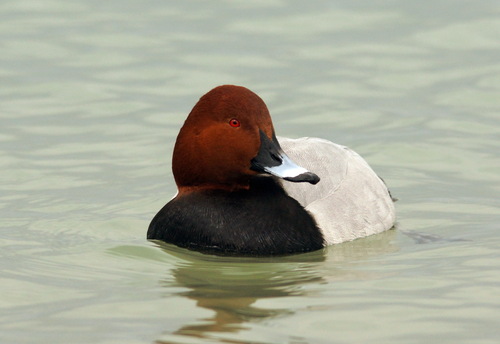 zarro
 negrinha
Em resumo
A marca de campo mais confiável entre zarro e negrinha é a cabeça do macho: machos de zarro têm uma cabeça castanha rica com uma testa inclinada, enquanto machos de negrinha apresentam uma cabeça preta brilhante com um tufo distinto na parte de trás. Em voo ou em repouso, negrinhas (de ambos os sexos) são facilmente identificáveis pelo tufo proeminente na cabeça, ausente no zarro. As fêmeas e os pássaros imaturos são mais complicados, mas as fêmeas de zarro são mais claras e não têm o tufo, enquanto as fêmeas de negrinha são de um marrom mais escuro e podem apresentar um pequeno tufo e, às vezes, uma mancha branca na base do bico. O padrão do bico, a cor da íris e a forma do corpo também ajudam, especialmente a curta distância. Ambas as espécies são patos mergulhadores e frequentemente ocorrem juntas, portanto, prestar atenção cuidadosa à forma da cabeça e à plumagem é fundamental.
Dicas de identificação
- Tufo na cabeça (todas as idades, sexos): Negrinha sempre apresenta um tufo distinto, fino e pendente na parte de trás da cabeça, mais óbvio em machos adultos, mas também presente (mais curto) em fêmeas e imaturos. Zarro nunca tem um tufo.
- Cor da cabeça do macho (época de reprodução): O macho de zarro tem uma cabeça e pescoço castanhos ricos, contrastando com um corpo cinza claro. O macho de negrinha tem uma cabeça preta brilhante com brilho púrpura e um tufo proeminente.
- Padrão do bico (adultos): O bico do zarro é cinza escuro com uma ampla faixa cinza-azulada no meio. O bico da negrinha é cinza-azulado, mas não tem a faixa ampla; em vez disso, é mais uniforme com uma ponta escura.
- Cor da flanco (machos): Machos de negrinha têm flancos brancos brilhantes, contrastando nitidamente com as costas e o peito pretos. Machos de zarro têm flancos cinza claro, menos definidos em relação ao resto do corpo.
- Cabeça e corpo de fêmeas/imaturos: A fêmea de zarro é de um marrom claro geral, com um contraste suave entre a cabeça e o corpo, e sem tufo. A fêmea de negrinha é de um marrom mais escuro, muitas vezes com um pequeno tufo e às vezes uma mancha branca na base do bico (nunca tão extensa quanto a de scaup).
- Cor da íris (adultos): O macho de zarro tem uma íris amarelo-laranja a vermelha (especialmente brilhante na época de reprodução); o macho de negrinha tem olhos amarelo-dourados. A fêmea de zarro tem íris marrom a marrom-amarelada; a fêmea de negrinha tem olhos amarelos. O juvenil de zarro começa com íris amarelo-oliva.
- Forma da cabeça (todas as idades): O zarro tem uma testa inclinada e um bico longo, dando um perfil em forma de cunha. A negrinha tem uma cabeça mais arredondada, especialmente acentuada pelo tufo.
- Forma e tamanho do corpo: O zarro é maior, mais robusto e com corpo mais longo, com uma cauda curta. A negrinha é menor, mais compacta e com aparência mais arredondada.
- Pernas e pés: Ambas as espécies têm pernas e pés cinzas; não são úteis para separação.
- Estrutura do bando em voo: Negrinhas frequentemente formam bandos mais apertados e ágeis em voo, mas isso é sutil e nem sempre confiável.
- Voz: Apenas fêmeas de negrinha emitem um "karr" áspero em voo; o zarro geralmente é silencioso. Chamadas raramente são diagnósticas, a menos que sejam bem ouvidas.
- Habitat: Ambas ocorrem juntas em lagos e reservatórios; o habitat não é um separador confiável.
- Variação sazonal: A íris do macho de zarro é mais brilhante na época de reprodução; o tufo da cabeça da negrinha está sempre presente, mas é mais óbvio em machos em reprodução.
- Armadilhas: A fêmea de negrinha com uma mancha branca na base do bico pode se assemelhar a scaup, mas nunca iguala a extensão de branco em scaup. A fêmea de zarro é mais clara e não tem nenhum tufo ou padrão forte no bico.
- Íris juvenil: Jovens zarros têm íris amarelo-oliva, mudando para a cor adulta no primeiro inverno; juvenis de negrinha se assemelham a fêmeas, mas com plumagem mais opaca e tufo menos desenvolvido.
Tamanho
O zarro é distintamente maior e mais robusto do que a negrinha. O zarro mede 42–49 cm de comprimento com uma envergadura de 72–82 cm, e é robusto e de cauda curta. A negrinha é menor e mais compacta, com um corpo mais curto e arredondado e menos volume geral. Em bandos mistos, o zarro se destacará como o pássaro mais pesado e longo, especialmente quando visto lado a lado. No entanto, o tamanho sozinho nem sempre é confiável à distância ou com pássaros solitários.
Plumagem
Nenhuma marca específica de padrão de asa ou voo por idade é descrita para ambas as espécies nas fontes, portanto, o foco está na cabeça, corpo e bico.
-
Machos adultos: Machos de zarro têm uma cabeça e pescoço castanhos, peito e cauda pretos, e corpo cinza claro com finas vermiculações. O bico é cinza escuro com uma ampla faixa cinza-azulada. Machos de negrinha são strikingmente pretos e brancos: cabeça preta (com brilho púrpura), peito, costas e cauda, com flancos brancos brilhantes, e um bico cinza-azulado. O tufo da cabeça está sempre presente em machos adultos.
-
Fêmeas: Fêmeas de zarro são de um marrom claro geral, com uma plumagem menos contrastante e sem tufo. Sua íris é marrom a marrom-amarelada. Fêmeas de negrinha são de um marrom mais escuro, às vezes com um pequeno tufo e uma mancha branca variável na base do bico (nunca tão extensa quanto a de scaup).
-
Juvenis/Imaturos: Juvenis de zarro têm uma íris amarelo-oliva que se torna a cor adulta no primeiro inverno. Juvenis de negrinha se assemelham a fêmeas, mas carecem do forte contraste e tufo do macho adulto.
-
Cor da íris: O macho de zarro tem uma íris amarelo-laranja a vermelha (mais brilhante na época de reprodução); machos de negrinha têm olhos amarelo-dourados. A fêmea de zarro tem íris marrom; a fêmea de negrinha tem olhos amarelos.
-
Pernas e pés: Ambas as espécies têm pernas e pés cinzas, não diagnósticos.
Comportamento
Ambas as espécies são patos mergulhadores, frequentemente vistos se alimentando mergulhando em plantas aquáticas e invertebrados. O zarro é um pouco mais volumoso e pode parecer mais lento e mais ponderado em seus movimentos, enquanto a negrinha é mais compacta e ativa, frequentemente mergulhando com um movimento rápido e enérgico. Em voo, negrinhas podem parecer mais ágeis e com bandos mais apertados, mas isso é sutil e nem sempre confiável para separação.
Habitat
Ambas as espécies se sobrepõem amplamente em alcance e habitat, frequentando lagos, reservatórios e rios lentos em toda a Eurásia setentrional. Ambas se reproduzem em regiões do norte e invernam mais ao sul. A negrinha é geralmente mais numerosa e disseminada, especialmente em corpos d'água menores e lagos urbanos, enquanto o zarro prefere águas maiores e mais abertas, mas frequentemente é encontrado ao lado da negrinha. O habitat sozinho raramente os separa.
Voz
Vocalizações raramente são diagnósticas em campo, já que ambas as espécies são principalmente silenciosas fora da época de reprodução. Fêmeas de negrinha emitem um "karr" áspero em voo, e machos assobiam "wit-oo" durante o acasalamento. O zarro não é descrito como vocal nessas fontes. Chamadas geralmente não são úteis para separação, a menos que sejam bem ouvidas na época de reprodução.