

Moriglione vs Moretta
Aythya ferina contro Aythya fuligula
Fai un quiz con Moriglione e Moretta
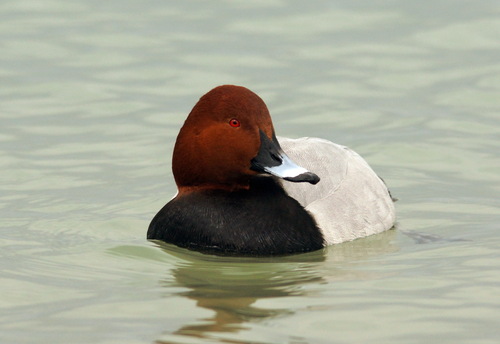 Moriglione
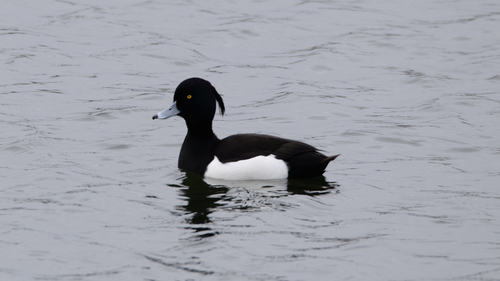 Moretta
In breve
Il segno distintivo più affidabile tra Moriglione e Moretta è la testa del maschio: i maschi di Moriglione hanno una testa castano ricca con una fronte inclinata, mentre i maschi di Moretta mostrano una testa nera lucida con un ciuffo posteriore distintivo. In volo o a riposo, le Morette (di entrambi i sessi) sono facilmente riconoscibili per il ciuffo prominente, assente nel Moriglione. Gli uccelli femmina e immaturi sono più difficili da distinguere, ma le femmine di Moriglione sono più chiare e mancano del ciuffo, mentre le femmine di Moretta sono di un marrone più scuro e possono mostrare un piccolo ciuffo e talvolta una macchia bianca alla base del becco. Il modello del becco, il colore dell'iride e la forma del corpo aiutano anche, specialmente a distanza ravvicinata. Entrambe le specie sono anatre tuffatrici e spesso si trovano insieme, quindi prestare attenzione alla forma della testa e al piumaggio è fondamentale.
Consigli di identificazione
- Ciuffo (tutte le età, sessi): La Moretta mostra sempre un ciuffo distintivo, sottile e pendente nella parte posteriore della testa, più evidente nei maschi adulti ma presente anche (più corto) nelle femmine e negli immaturi. Il Moriglione non ha mai un ciuffo.
- Colore della testa maschile (stagione di riproduzione): Il maschio di Moriglione ha una testa e un collo castano ricco, in contrasto con un corpo grigio chiaro. Il maschio di Moretta ha una testa nera lucida con riflessi viola e un ciuffo prominente.
- Modello del becco (adulti): Il becco del Moriglione è grigio scuro con una larga banda blu-grigia al centro. Il becco della Moretta è blu-grigio ma manca della larga banda; invece, è più uniforme con una punta scura.
- Colore dei fianchi (maschi): I maschi di Moretta hanno fianchi bianchi brillanti, in netto contrasto con il dorso e il petto neri. I maschi di Moriglione hanno fianchi grigio chiaro, meno nettamente definiti rispetto al resto del corpo.
- Testa e corpo di femmine/immaturi: La femmina di Moriglione è di un marrone chiaro complessivo, con un contrasto delicato tra testa e corpo, e senza ciuffo. La femmina di Moretta è di un marrone più scuro, spesso con un piccolo ciuffo e talvolta una macchia bianca alla base del becco (mai così estesa come nel scaup).
- Colore dell'iride (adulti): Il maschio di Moriglione ha un'iride giallo-arancio a rossa (soprattutto brillante nella stagione di riproduzione); il maschio di Moretta ha occhi giallo dorato. La femmina di Moriglione ha un'iride marrone a marrone-giallastro; la femmina di Moretta ha occhi gialli. Il giovane Moriglione inizia con un'iride giallo-oliva.
- Forma della testa (tutte le età): Il Moriglione ha una fronte inclinata e un becco lungo, dando un profilo a forma di cuneo. La Moretta ha una testa più rotonda, accentuata soprattutto dal ciuffo.
- Forma e dimensione del corpo: Il Moriglione è più grande, robusto e lungo nel corpo con una coda corta. La Moretta è più piccola, più compatta e appare più rotonda.
- Zampe e piedi: Entrambe le specie hanno zampe e piedi grigi; non utili per la separazione.
- Struttura del gruppo in volo: Le Morette spesso formano gruppi più compatti e agili in volo, ma questo è sottile e non sempre affidabile.
- Voce: Solo le femmine di Moretta emettono un "karr" aspro in volo; il Moriglione è solitamente silenzioso. I richiami sono raramente diagnostici a meno che non siano ben uditi.
- Habitat: Entrambe si trovano insieme su laghi e bacini; l'habitat non è un separatore affidabile.
- Variazione stagionale: L'iride del maschio di Moriglione è più brillante nella stagione di riproduzione; il ciuffo della Moretta è sempre presente ma più evidente nei maschi in riproduzione.
- Insidie: La femmina di Moretta con una macchia bianca alla base del becco può assomigliare a scaup, ma non eguaglia mai l'estensione del bianco in scaup. La femmina di Moriglione è più chiara e manca di qualsiasi ciuffo o forte modello del becco.
- Iride giovanile: I giovani Moriglione hanno un'iride giallo-oliva, che diventa del colore adulto entro il primo inverno; i giovani di Moretta assomigliano alle femmine ma con un piumaggio più opaco e un ciuffo meno sviluppato.
Taglia
Il Moriglione è nettamente più grande e robusto della Moretta. Il Moriglione misura 42–49 cm di lunghezza con un'apertura alare di 72–82 cm, ed è tozzo e con coda corta. La Moretta è più piccola e più compatta, con un corpo più corto e rotondo e meno massa complessiva. Nei gruppi misti, il Moriglione si distingue come l'uccello più pesante e lungo, soprattutto quando visto fianco a fianco. Tuttavia, la dimensione da sola non è sempre affidabile a distanza o con uccelli solitari.
Piumaggio
Nessun segno specifico per età sulle ali superiori o sul modello di volo è descritto per entrambe le specie nelle fonti, quindi ci si concentra su testa, corpo e becco.
-
Maschi adulti: I maschi di Moriglione hanno una testa e un collo castano, petto e coda neri, e un corpo grigio chiaro con fini vermicolazioni. Il becco è grigio scuro con una larga banda blu-grigia. I maschi di Moretta sono sorprendentemente neri e bianchi: testa nera (con riflesso viola), petto, dorso e coda neri, con fianchi bianchi brillanti, e un becco blu-grigio. Il ciuffo è sempre presente nei maschi adulti.
-
Femmine: Le femmine di Moriglione sono di un marrone chiaro complessivo, con un piumaggio meno contrastante e senza ciuffo. La loro iride è marrone a marrone-giallastro. Le femmine di Moretta sono di un marrone più scuro, a volte con un piccolo ciuffo e una macchia bianca variabile alla base del becco (mai così estesa come nel scaup).
-
Giovani/Immaturi: I giovani Moriglione hanno un'iride giallo-oliva che diventa del colore adulto nel primo inverno. I giovani di Moretta assomigliano alle femmine ma mancano del forte contrasto e del ciuffo del maschio adulto.
-
Colore dell'iride: Il maschio di Moriglione ha un'iride giallo-arancio a rossa (più brillante nella stagione di riproduzione); i maschi di Moretta hanno occhi giallo dorato. La femmina di Moriglione ha un'iride marrone; la femmina di Moretta ha occhi gialli.
-
Zampe e piedi: Entrambe le specie hanno zampe e piedi grigi, non diagnostici.
Comportamento
Entrambe le specie sono anatre tuffatrici, spesso viste nutrirsi tuffandosi per piante acquatiche e invertebrati. Il Moriglione è un po' più massiccio e può apparire più lento e più ponderoso nei suoi movimenti, mentre la Moretta è più compatta e attiva, spesso tuffandosi con un movimento rapido ed energico. In volo, le Morette possono apparire più compatte e agili, ma questo è sottile e non sempre affidabile per la separazione.
Habitat
Entrambe le specie si sovrappongono ampiamente in termini di distribuzione e habitat, frequentando laghi, bacini e fiumi lenti in tutta l'Eurasia settentrionale. Entrambe nidificano nelle regioni settentrionali e svernano più a sud. La Moretta è generalmente più numerosa e diffusa, specialmente su corpi idrici più piccoli e laghi urbani, mentre il Moriglione preferisce acque più grandi e aperte ma si trova spesso insieme alla Moretta. L'habitat da solo raramente le separa.
Voce
Le vocalizzazioni sono raramente diagnostiche sul campo, poiché entrambe le specie sono per lo più silenziose al di fuori della stagione di riproduzione. Le femmine di Moretta emettono un "karr" aspro e ringhioso in volo, e i maschi fischiano "wit-oo" durante il corteggiamento. Il Moriglione non è descritto come vocale in queste fonti. I richiami non sono di solito utili per la separazione a meno che non siano ben uditi nella stagione di riproduzione.