

bacurau-norte-americano vs eastern whip-poor-will
Chordeiles minor versus Antrostomus vociferus
Jogue um quiz com bacurau-norte-americano e eastern whip-poor-will
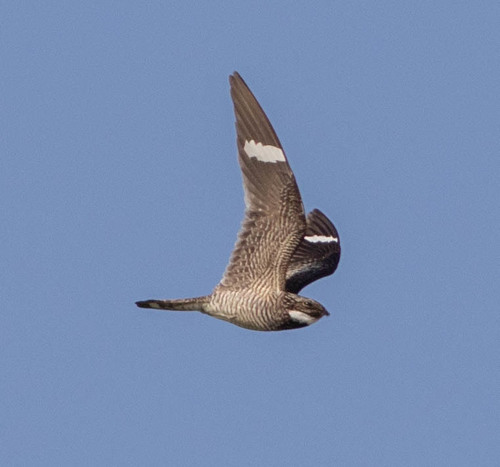 bacurau-norte-americano
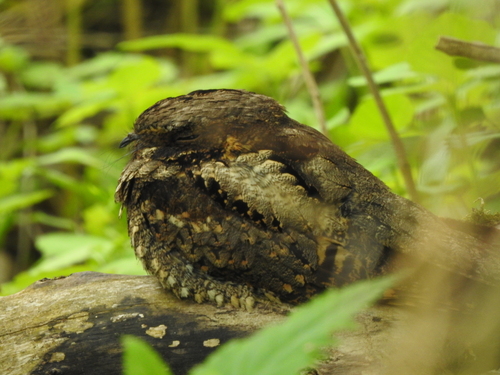 eastern whip-poor-will
Em resumo
A marca de campo mais confiável entre o bacurau-norte-americano e o eastern whip-poor-will é a presença de manchas brancas ousadas nas asas visíveis em voo em bacurais adultos e juvenis, que estão completamente ausentes em whip-poor-wills. Bacurais também têm um perfil mais esguio, com asas mais longas e um estilo de voo mais errático e flutuante, enquanto whip-poor-wills parecem mais robustos e voam com batidas de asas mais profundas e semelhantes a mariposas. Bacurais juvenis mostram manchas brancas menores nas asas, mas estas ainda são visíveis e diagnósticas. Empoleirados, bacurais costumam sentar-se horizontalmente em galhos ou telhados abertos, enquanto whip-poor-wills preferem cobertura densa e raramente são vistos em áreas abertas. As vocalizações são distintas, mas em aves silenciosas, concentre-se no padrão e na estrutura das asas para separação.
Dicas de identificação
- Mancha branca na asa em voo: Apenas o bacurau-norte-americano mostra uma barra branca ousada nas primárias em voo (adultos e juvenis, embora menor em juvenis); o whip-poor-will nunca mostra essa marca. Esta é a marca de campo mais confiável.
- Estilo de voo: O bacurau-norte-americano tem asas longas e pontudas e um voo flutuante, errático, semelhante ao de um morcego, frequentemente alto no céu. O whip-poor-will voa com batidas de asas mais profundas, mais lentas e semelhantes a mariposas, geralmente baixo e em cobertura.
- Forma do corpo: O bacurau-norte-americano é mais esguio, com uma cauda e asas mais longas, e um perfil de cabeça mais plano. O whip-poor-will é mais robusto, com uma cauda e asas mais curtas e largas, e uma cabeça mais arredondada.
- Postura ao empoleirar: O bacurau-norte-americano empoleira-se horizontalmente em galhos abertos, postes ou telhados, frequentemente em áreas abertas. O whip-poor-will prefere cobertura densa e empoleira-se no chão ou em galhos baixos, raramente em áreas abertas.
- Padrão da cauda: Machos de whip-poor-will têm pontas brancas nas penas da cauda externa (light brown in females); o bacurau-norte-americano não possui essa característica.
- Mancha na garganta: Machos de whip-poor-will têm uma mancha branca na garganta (light brown in females); o bacurau-norte-americano não tem uma mancha na garganta contrastante.
- Barrado na parte inferior: O bacurau-norte-americano apresenta um forte barrado nas laterais e na barriga; o whip-poor-will é mais uniformemente manchado na parte inferior.
- Cabeça e bico: Ambos têm olhos grandes e bicos curtos, mas o bico do bacurau-norte-americano é ainda menor em relação à sua boca, e sua cabeça parece mais plana.
- Marcas juvenis: Bacurais juvenis são mais claros, mas ainda mostram a mancha branca na asa; juvenis de whip-poor-will não têm nenhuma mancha na asa e são uniformemente manchados.
- Contexto do habitat: Campos abertos, telhados urbanos ou clareiras favorecem o bacurau-norte-americano; florestas densas e interiores de florestas favorecem o whip-poor-will.
- Comportamento em grupo: Bacurais podem ser vistos em pequenos grupos, especialmente durante a migração; whip-poor-wills são solitários.
- Vocalizações: Uma frase repetida 'whip-poor-will' é diagnóstica para o whip-poor-will; um 'peent' agudo ou boom de asa é do bacurau-norte-americano.
- Horário de atividade: Ambos são crepusculares/nocturnos, mas o bacurau-norte-americano é mais propenso a ser visto voando ao amanhecer/anoitecer em áreas abertas, enquanto o whip-poor-will raramente é visto, exceto com luz de holofote à noite.
- Impressão de tamanho: O bacurau-norte-americano parece ter asas mais longas e ser mais pesado em voo; o whip-poor-will é mais compacto e leve.
- Armadilhas: Em luz fraca, ambos podem parecer formas escuras e crípticas; sempre procure pela mancha branca na asa em voo e note o estilo de voo e o habitat.
Tamanho
O bacurau-norte-americano é mais pesado (massa corporal ~79 g [wikidata]) e tem uma envergadura maior (51–61 cm) em comparação com o eastern whip-poor-will (envergadura 45–50 cm, massa 42–69 g [wikipedia]). Ambas as espécies são semelhantes em comprimento (22–25 cm para o bacurau, 22–27 cm para o whip-poor-will), mas o bacurau parece ter asas mais longas e ser mais esguio no geral. O whip-poor-will é mais leve e compacto, com uma asa e cauda mais curtas e largas.
Plumagem
A única característica de plumagem mais diagnóstica é a mancha branca na asa do bacurau-norte-americano, presente em adultos e juvenis (embora menor em juvenis). Esta mancha é visível em voo como uma barra branca ousada nas primárias; o whip-poor-will não possui nenhuma marca de asa em nenhuma idade. Bacurais também mostram um barrado notável nas laterais e na barriga, e uma cauda recortada que se estende além das pontas das asas quando em repouso. O whip-poor-will tem partes superiores manchadas de cinza, preto e marrom e partes inferiores cinzas/pretas, com machos mostrando uma mancha branca na garganta e pontas brancas na cauda (fêmeas têm marrom claro nessas áreas). Ambas as espécies têm padrões crípticos, mas a plumagem do bacurau é geralmente mais escura e contrastante, enquanto o whip-poor-will é mais uniformemente manchado e camuflado. Bacurais juvenis são mais claros no geral, mas ainda mostram a mancha branca na asa, embora menor.
Comportamento
O bacurau-norte-americano é mais frequentemente visto no céu aberto, voando alto com um voo errático, flutuante e semelhante ao de um morcego, muitas vezes ao amanhecer ou anoitecer. Ele empoleira-se horizontalmente em galhos abertos, postes, telhados ou no chão. O whip-poor-will é muito mais secreto, raramente visto em áreas abertas, e prefere ficar imóvel no chão da floresta ou em galhos baixos em cobertura densa. Seu voo é mais semelhante ao de uma mariposa, com batidas de asas mais profundas e lentas e menos agilidade aérea. Bacurais são mais propensos a serem vistos em grupos durante a migração ou ao se empoleirar, enquanto whip-poor-wills são solitários e noturnos.
Habitat
O bacurau-norte-americano prefere habitats abertos, como campos, clareiras, áreas urbanas e telhados, onde pode forragear em espaço aéreo aberto. O eastern whip-poor-will está fortemente associado a florestas decíduas ou mistas, especialmente áreas com sub-bosque denso e mínima perturbação. Se visto em um interior de floresta ou em floresta densa, o whip-poor-will é mais provável; o bacurau raramente é encontrado longe de áreas abertas ou semi-abertas.
Voz
As vocalizações são altamente distintas: o bacurau-norte-americano emite um chamado agudo e nasal 'peent', frequentemente ouvido acima ao anoitecer, e os machos produzem um som retumbante com suas asas em mergulhos de exibição. O eastern whip-poor-will é nomeado por sua canção repetitiva e onomatopaica 'whip-poor-will', entregue persistentemente à noite. Se você ouvir uma frase repetida e clara 'whip-poor-will', isso é diagnóstico para o whip-poor-will; se você ouvir um único 'peent' ou boom de asa, é do bacurau-norte-americano.
bacurau-norte-americano · eastern whip-poor-will · Minhas aves difíceis