

Common Nighthawk vs Eastern Whip-poor-will
Chordeiles minor contro Antrostomus vociferus
Fai un quiz con Common Nighthawk e Eastern Whip-poor-will
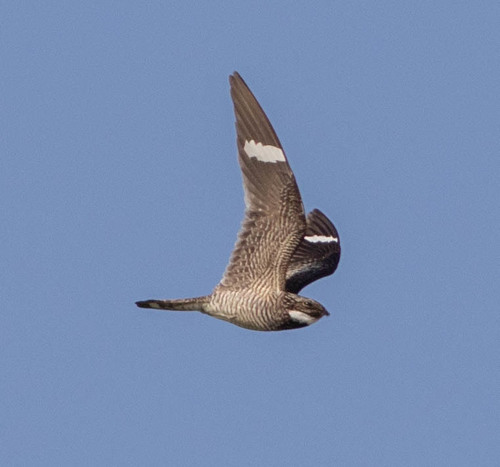 Common Nighthawk
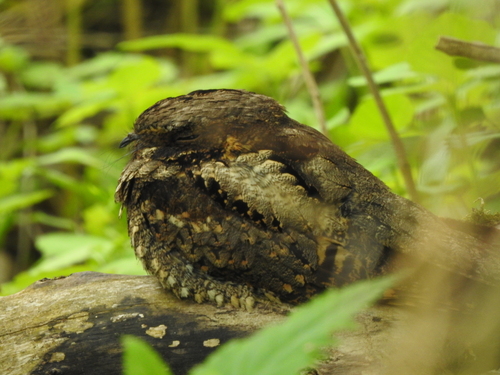 Eastern Whip-poor-will
In breve
Il segno di campo più affidabile tra Common Nighthawk e Eastern Whip-poor-will è la presenza di macchie bianche sulle ali ben visibili in volo sugli nighthawk adulti e giovanili, che sono completamente assenti nei whip-poor-will. Gli nighthawk hanno anche un profilo più snello e ali più lunghe e uno stile di volo più erratico e galleggiante, mentre i whip-poor-will appaiono più robusti e volano con battiti d'ala più profondi e simili a quelli delle falene. Gli nighthawk giovanili mostrano macchie bianche sulle ali più piccole, ma queste sono ancora visibili e diagnostiche. In posizione di appollaiamento, gli nighthawk spesso si siedono orizzontalmente su rami o tetti aperti, mentre i whip-poor-will preferiscono coperture dense e sono raramente visti in aperto. Le vocalizzazioni sono distinte, ma in uccelli silenziosi, concentrati sul modello e sulla struttura delle ali per la separazione.
Consigli di identificazione
- White wing patch in flight: Solo il Common Nighthawk mostra una barra bianca audace sulle primarie in volo (adulti e giovanili, anche se più piccola nei giovanili); il whip-poor-will non mostra mai questo segno. Questo è il segno di campo più affidabile.
- Flight style: L'nighthawk ha ali lunghe e appuntite e un volo galleggiante, erratico e simile a quello di un pipistrello, spesso in alto. Il whip-poor-will vola con battiti d'ala più profondi, più lenti e simili a quelli delle falene, di solito basso e in copertura.
- Body shape: L'nighthawk è più snello, con una coda e ali più lunghe e un profilo della testa più piatto. Il whip-poor-will è più robusto, con una coda e ali più corte e più larghe, e una testa più rotonda.
- Perching posture: L'nighthawk si appollaia orizzontalmente su rami aperti, pali o tetti, spesso in aperto. Il whip-poor-will preferisce coperture dense e si appollaia a terra o su rami bassi, raramente in aperto.
- Tail pattern: I maschi di whip-poor-will hanno punte bianche sulle penne della coda esterne (marrone chiaro nelle femmine); l'nighthawk non ha questa caratteristica.
- Throat patch: I maschi di whip-poor-will hanno una macchia bianca sulla gola (marrone chiaro nelle femmine); l'nighthawk non ha una macchia sulla gola contrastante.
- Underpart barring: L'nighthawk mostra forti barre sui lati e sull'addome; il whip-poor-will è più uniformemente maculato sotto.
- Head and bill: Entrambi hanno occhi grandi e becchi corti, ma il becco dell'nighthawk è ancora più piccolo rispetto alla sua bocca, e la sua testa appare più piatta.
- Juvenile marks: Gli nighthawk giovanili sono più chiari ma mostrano ancora la macchia bianca sulle ali; i giovanili di whip-poor-will non hanno alcuna macchia sulle ali e sono uniformemente maculati.
- Habitat context: I campi aperti, i tetti urbani o le radure favoriscono l'nighthawk; i boschi densi e gli interni delle foreste favoriscono il whip-poor-will.
- Group behavior: Gli nighthawk possono essere visti in piccoli gruppi, specialmente durante la migrazione; i whip-poor-will sono solitari.
- Vocalizations: Una frase ripetuta 'whip-poor-will' è diagnostica per il whip-poor-will; un 'peent' acuto o un boato d'ala è dell'nighthawk.
- Activity timing: Entrambi sono crepuscolari/notturni, ma l'nighthawk è più probabile da vedere volare al crepuscolo/all'alba in aree aperte, mentre il whip-poor-will è raramente visto tranne che con un riflettore di notte.
- Size impression: L'nighthawk appare con ali più lunghe e più pesante in volo; il whip-poor-will è più compatto e leggero.
- Pitfalls: In scarsa illuminazione, entrambi possono apparire come forme scure e criptiche; cerca sempre la macchia bianca sulle ali in volo e nota lo stile di volo e l'habitat.
Taglia
Common Nighthawk è più pesante (massa corporea ~79 g [wikidata]) e ha un'apertura alare più lunga (51–61 cm) rispetto a Eastern Whip-poor-will (apertura alare 45–50 cm, massa 42–69 g [wikipedia]). Entrambe le specie sono simili in lunghezza (22–25 cm nighthawk, 22–27 cm whip-poor-will), ma l'nighthawk appare con ali più lunghe e più snello nel complesso. Il whip-poor-will è più leggero e più compatto, con un'ala e una coda più corte e più larghe.
Piumaggio
La caratteristica di piumaggio più diagnostica è la macchia bianca sulle ali del Common Nighthawk, presente sia negli adulti che nei giovanili (anche se più piccola nei giovanili). Questa macchia è visibile in volo come una barra bianca audace sulle primarie; il whip-poor-will non ha alcun segno di ala di questo tipo a tutte le età. Gli nighthawk mostrano anche barre evidenti sui lati e sull'addome, e una coda intagliata che si estende appena oltre le punte delle ali a riposo. Il whip-poor-will ha parti superiori maculate di grigio, nero e marrone e parti inferiori grigie/neri, con i maschi che mostrano una macchia bianca sulla gola e punte bianche sulla coda (le femmine hanno marrone chiaro in queste aree). Entrambe le specie hanno un modello criptico, ma il piumaggio dell'nighthawk è generalmente più scuro e più contrastante, mentre il whip-poor-will è più uniformemente maculato e camuffato. Gli nighthawk giovanili sono più chiari nel complesso ma mostrano ancora la macchia bianca sulle ali, sebbene più piccola.
Comportamento
Common Nighthawk è più spesso visto nel cielo aperto, volando in alto con un volo erratico, galleggiante e simile a quello di un pipistrello, spesso al crepuscolo o all'alba. Si appollaia orizzontalmente su rami aperti, pali, tetti o a terra. Il whip-poor-will è molto più segreto, raramente visto in aperto, e preferisce rimanere immobile sul pavimento della foresta o su rami bassi in copertura densa. Il suo volo è più simile a quello delle falene, con battiti d'ala più profondi e lenti e meno agilità aerea. Gli nighthawk sono più probabili da vedere in gruppi durante la migrazione o il riposo, mentre i whip-poor-will sono solitari e notturni.
Habitat
Common Nighthawk favorisce habitat aperti come campi, radure, aree urbane e tetti, dove può foraggiare in spazi aerei aperti. Eastern Whip-poor-will è fortemente associato a boschi decidui o misti, specialmente aree con un sottobosco denso e disturbi minimi. Se visto in un interno forestale o in un bosco denso, il whip-poor-will è più probabile; l'nighthawk è raramente trovato lontano da aree aperte o semiaperte.
Voce
Le vocalizzazioni sono altamente distintive: il Common Nighthawk emette un richiamo acuto e nasale 'peent', spesso udito sopra la testa al crepuscolo, e i maschi producono un suono rimbombante con le ali durante i tuffi di esibizione. L'Eastern Whip-poor-will prende il nome dalla sua canzone ripetitiva e onomatopeica 'whip-poor-will', consegnata persistentemente di notte. Se senti una frase ripetuta e chiara 'whip-poor-will', è diagnostica per il whip-poor-will; se senti un singolo 'peent' o un boato d'ala, è dell'nighthawk.
Common Nighthawk · Eastern Whip-poor-will · I miei uccelli difficili