

famego vs Herring Gull
Larus canus versus Larus argentatus
Jogue um quiz com famego e Herring Gull
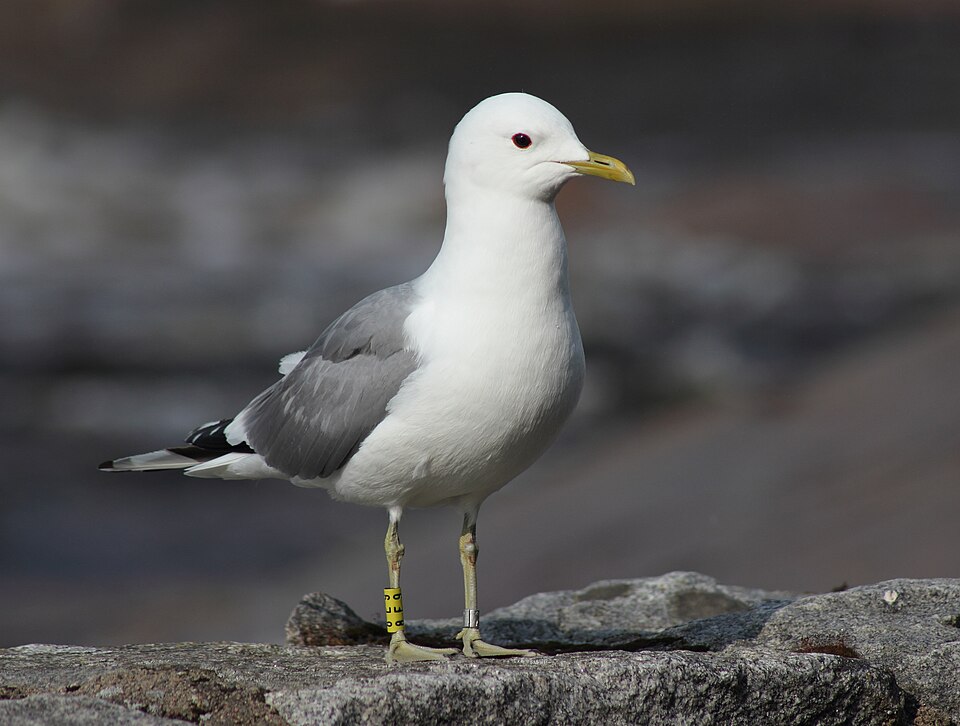 famego
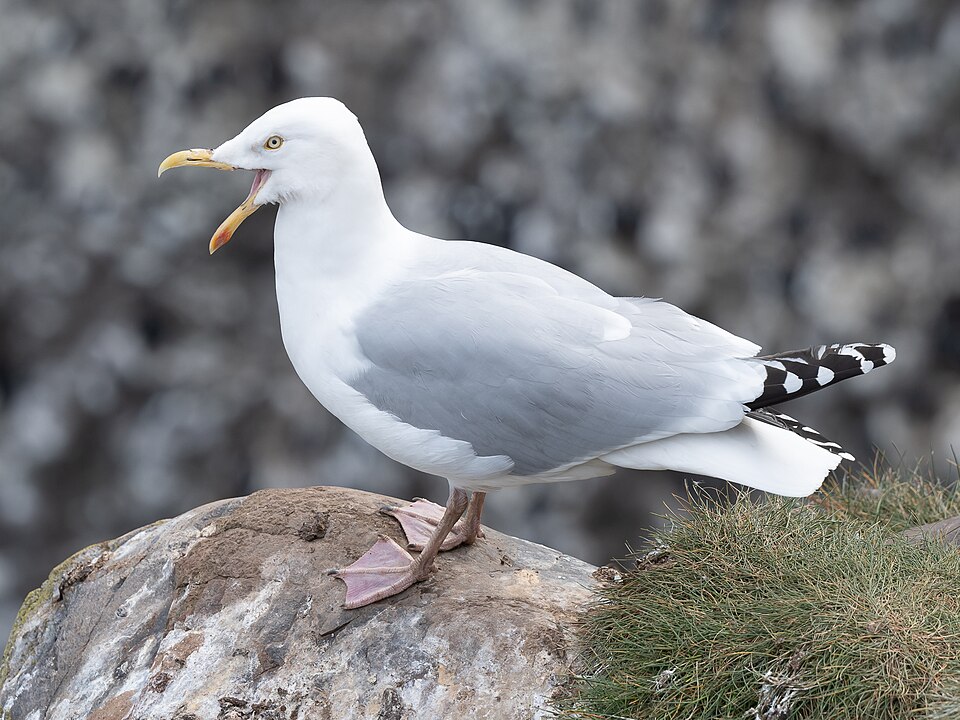 Herring Gull
Em resumo
A maneira mais confiável de separar o famego do Herring Gull em campo é pelo tamanho e estrutura: o famego é visivelmente menor e mais delicado, com um bico mais curto e esguio e um voo mais leve e ágil. Para aves imaturas, observe atentamente os padrões da asa superior e da cauda—os juvenis de famego apresentam uma asa mais arrumada e mais padronizada e uma cabeça mais clara, enquanto os imaturos de Herring Gull são mais robustos, mais escuros e mais fortemente estriados. Os adultos também são melhor separados pela cor do bico e pela cor das pernas: os adultos de famego têm um bico amarelo-esverdeado liso (sem mancha vermelha) e pernas amarelas na época de reprodução, enquanto os Herring Gulls têm um bico amarelo mais pesado com uma mancha vermelha e pernas rosas. Ambas as espécies podem mostrar estrias na cabeça no inverno, mas as diferenças de tamanho e estrutura geralmente são óbvias a curta distância.
Dicas de identificação
- Tamanho e Estrutura: O Herring Gull é muito maior e mais robusto que o famego. Em comparação direta, o famego parece delicado, com um bico mais curto e esguio e uma cabeça menor. Isso é mais óbvio quando ambas as espécies estão juntas.
- Forma e Cor do Bico (Adulto): O famego tem um bico amarelo-esverdeado liso e esguio, sem mancha vermelha; o Herring Gull tem um bico amarelo mais pesado e profundo com uma mancha vermelha distinta na mandíbula inferior. Esta é uma marca chave em adultos em reprodução.
- Cor das Pernas: As pernas do adulto famego são amarelas na época de reprodução (mais opacas no inverno), enquanto as pernas do Herring Gull são rosas em todas as idades (raramente amareladas em aves do Báltico). A cor das pernas é especialmente útil na primavera e no verão.
- Padrão da Asa (Adulto): Ambas têm pontas de asa pretas com 'espelhos' brancos, mas os espelhos do Herring Gull são maiores e mais óbvios. Os espelhos do famego são menores e restritos às primárias mais externas.
- Estrias na Cabeça (Inverno): Ambas as espécies mostram estrias na cabeça no inverno, mas as do famego são mais finas e mais restritas, enquanto as do Herring Gull são mais pesadas e se estendem até o pescoço.
- Asa Superior Juvenil/Imatura: Os juvenis de famego têm um padrão escamoso e arrumado na asa superior e uma cabeça mais clara; os juvenis de Herring Gull são mais escuros, mais fortemente estriados e menos padronizados. Procure uma asa mais arrumada e contrastante no famego.
- Padrão da Cauda (Imatura): Não detalhado nessas notas, mas geralmente, os imaturos de famego mostram uma faixa de cauda mais definida e uma base mais clara, enquanto os imaturos de Herring Gull são mais uniformemente marrons.
- Cor dos Olhos: Os adultos de Herring Gull têm olhos claros com um anel orbital amarelo; a cor dos olhos do famego é menos distintiva em campo, mas geralmente mais escura.
- Voo: O famego é mais leve e ágil em voo, com batidas de asa mais rápidas e leves. O Herring Gull é mais pesado, com batidas de asa mais lentas e profundas e um estilo de voo mais pesado.
- Marcas no Bico (Inverno): O famego pode mostrar uma leve faixa escura perto da ponta do bico no inverno, mas nunca uma mancha vermelha. O Herring Gull sempre tem uma mancha vermelha no bico como adulto.
- Contexto de Habitat: Em áreas urbanas e aterros, o Herring Gull é frequentemente dominante e mais numeroso; o famego prefere campos abertos, lagos e pântanos, especialmente fora da época de reprodução.
- Abundância Sazonal: Em algumas regiões, o famego é mais numeroso no inverno, enquanto o Herring Gull está presente durante todo o ano, especialmente perto da costa.
- Voz: O chamado do famego é mais agudo e mais 'risonho'; o do Herring Gull é mais profundo e mais forte. Útil em bandos mistos ou quando as aves estão chamando.
- Efeitos de Sexo/Idade: Ambas as espécies mostram plumagem semelhante em machos e fêmeas, mas os machos de Herring Gull são maiores. Aves imaturas são melhor separadas pelo padrão da asa e do corpo, não pelo tamanho.
- Armadilhas: Cuidado com a variação na cor das pernas (Herring Gulls do Báltico podem ter pernas amareladas) e marcas no bico no inverno (o famego pode mostrar uma faixa escura no bico). Sempre use uma combinação de marcas para uma identificação confiante.
Tamanho
O famego é uma gaivota de tamanho médio, com uma massa corporal em torno de 386,5 g [wikidata], comprimento de 40–46 cm e envergadura de 100–115 cm [wikipedia]. O Herring Gull é muito maior, com machos de até 66 cm de comprimento e envergadura de 125–155 cm, e fêmeas apenas ligeiramente menores [wikipedia]. Mesmo à distância, o Herring Gull parece mais robusto, com um peito mais profundo, pescoço mais grosso e cabeça e bico maiores. Em bandos mistos, o famego parece mais delicado e compacto, frequentemente ficando mais baixo e com um bico mais afilado.
Plumagem
- Juvenil/Primeiro-inverno: Os juvenis de famego têm partes superiores escamosas de marrom-preto, uma asa arrumada e padronizada, e uma cabeça e barriga mais claras e brancas com finas estrias. Suas pernas são rosas, tornando-se acinzentadas no segundo ano. Os juvenis de Herring Gull são principalmente marrons com forte estriação, um bico escuro e olhos escuros, com uma aparência geralmente mais escura e menos padronizada. No primeiro inverno, o Herring Gull mostra uma cabeça e partes inferiores mais brancas, mas permanece mais robusto e menos nítido que o famego.
- Segundo/Terceiro-inverno: Os famegos de segundo ano mostram penas cinzas na sela e pernas tornando-se acinzentadas, enquanto os Herring Gulls de segundo inverno têm uma cabeça e partes inferiores mais brancas, menos estriação, e as costas são cinzas. Os Herring Gulls de terceiro inverno estão próximos do adulto, mas podem reter penas marrons nas asas e marcas escuras no bico; o famego amadurece ligeiramente mais rápido (3 anos contra 4).
- Adulto: Os adultos de famego têm um manto cinza-médio, partes inferiores brancas, pernas amarelas (na reprodução) e um bico amarelo-esverdeado liso, sem mancha vermelha. Os adultos de Herring Gull têm uma parte de trás cinza mais clara, partes inferiores brancas, pernas rosas (raramente amareladas em aves do Báltico) e um bico amarelo pesado com uma mancha vermelha. Ambos têm pontas de asa pretas com 'espelhos' brancos, mas os espelhos do Herring Gull são maiores e mais óbvios.
Comportamento
Ambas as espécies são onívoras e oportunistas, frequentemente vistas se alimentando em aterros ou ao longo das costas e em campos. O Herring Gull é mais assertivo e dominante, frequentemente deslocando gaivotas menores (incluindo o famego) de fontes de alimento. Em voo, o famego parece mais leve, mais ágil e mais leve, enquanto o Herring Gull é mais pesado, com batidas de asa mais lentas e profundas e um estilo de voo mais pesado. O famego às vezes se reproduz em pequenas árvores ou pântanos, enquanto o Herring Gull é mais propenso a nidificar em solo aberto ou telhados.
Habitat
Ambas as espécies se sobrepõem amplamente na Europa, especialmente em áreas costeiras, estuários e ambientes urbanos. O famego se reproduz em toda a região paleártica setentrional e inverna mais ao sul, enquanto o Herring Gull é residente ou migratório em toda a Europa setentrional e ocidental. O Herring Gull é mais provável de ser encontrado em áreas internas em aterros e em grandes áreas urbanas, enquanto o famego prefere campos abertos, lagos e pântanos, especialmente fora da época de reprodução. Em bandos mistos, o famego tende a ser mais numeroso no norte e leste da Europa, enquanto o Herring Gull domina no oeste e em cidades costeiras.
Voz
O famego emite um chamado agudo e risonho, que é mais leve e menos áspero do que o profundo e rouco 'riso' ou 'grito' do Herring Gull. A voz do Herring Gull é mais alta, mais profunda e mais forte, frequentemente se ouvindo a longas distâncias. Os chamados podem ser úteis a curta distância ou em bandos mistos, mas são menos confiáveis do que marcas visuais para separação.