
Gavina vs Herring Gull
Larus canus contro Larus argentatus
Fai un quiz con Gavina e Herring Gull
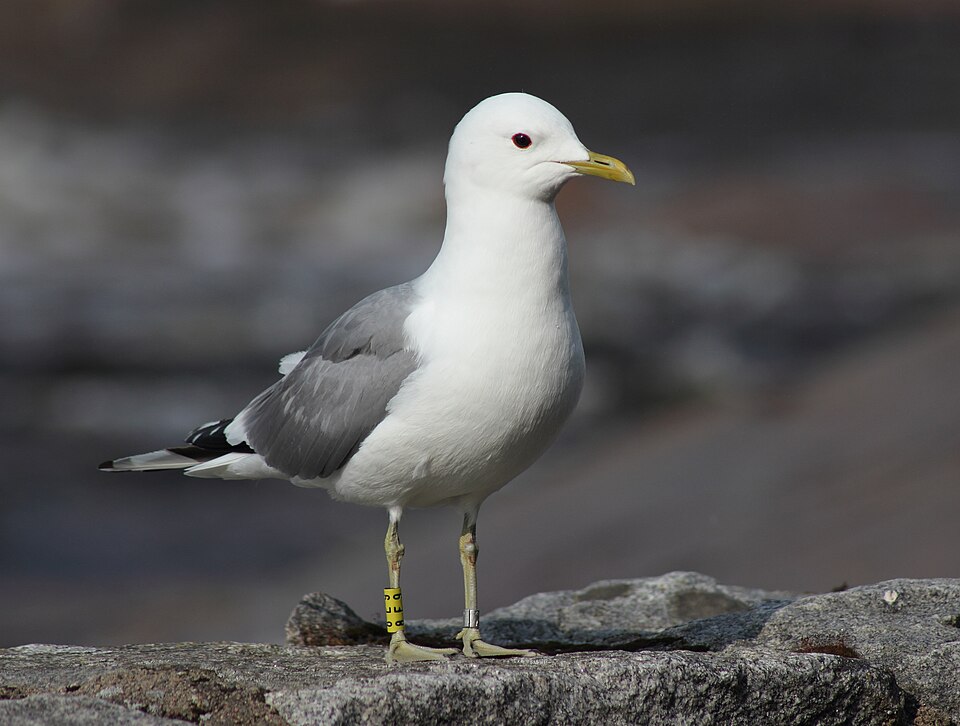 Gavina
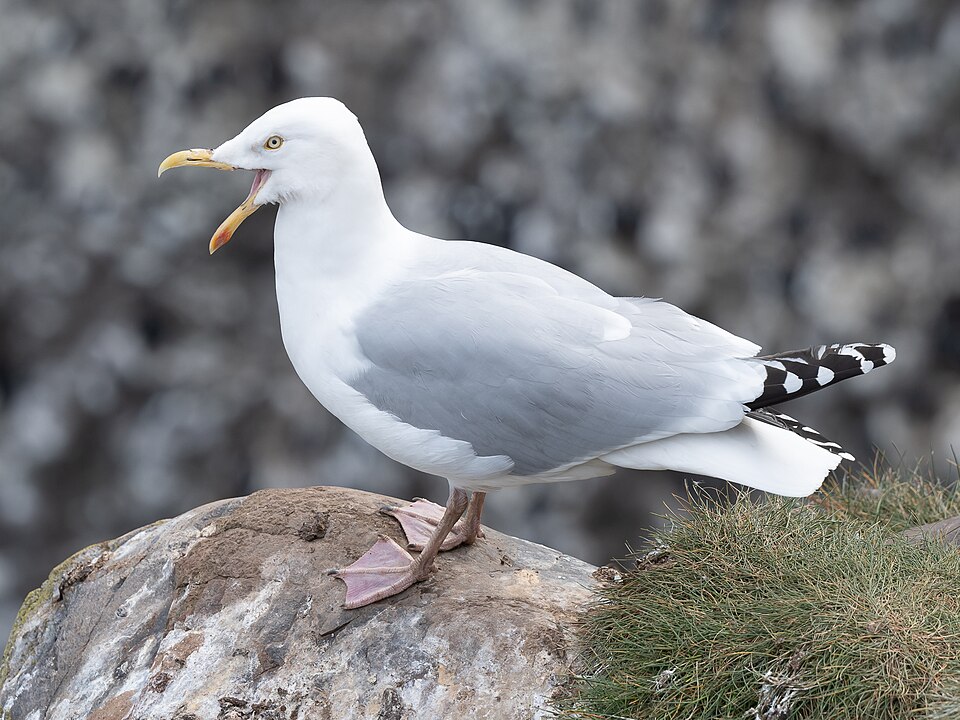 Herring Gull
In breve
Il modo più affidabile per separare la Gavina dall'Herring Gull sul campo è per dimensioni e struttura: la Gavina è notevolmente più piccola e più delicata, con un becco più corto e snello e un volo più galleggiante e agile. Per gli uccelli immaturi, osserva attentamente i modelli delle ali superiori e della coda: i giovani Gavina mostrano ali più ordinate e più decorate e una testa più chiara, mentre gli immaturi Herring Gull sono più robusti, più scuri e più pesantemente striati. Gli adulti si separano meglio anche per il colore del becco e delle gambe: gli adulti Gavina hanno un becco giallo-verde uniforme (senza macchia rossa) e gambe gialle durante la stagione di nidificazione, mentre gli Herring Gull hanno un becco giallo più pesante con una macchia rossa e gambe rosa. Entrambe le specie possono mostrare striature sulla testa in inverno, ma le differenze di dimensioni e struttura sono solitamente evidenti a distanza ravvicinata.
Consigli di identificazione
- Dimensioni e Struttura: L'Herring Gull è molto più grande e robusto della Gavina. In un confronto diretto, la Gavina appare delicata, con un becco più corto e snello e una testa più piccola. Questo è più evidente quando entrambe le specie sono insieme.
- Forma e Colore del Becco (Adulto): La Gavina ha un becco giallo-verde uniforme e snello senza macchia rossa; l'Herring Gull ha un becco giallo più pesante e profondo con una macchia rossa distintiva sulla mandibola inferiore. Questo è un segno chiave negli adulti in riproduzione.
- Colore delle Gambe: Le gambe degli adulti Gavina sono gialle durante la stagione di nidificazione (più opache in inverno), mentre le gambe degli Herring Gull sono rosa a tutte le età (raramente giallastre negli uccelli baltici). Il colore delle gambe è particolarmente utile in primavera e estate.
- Modello delle Ali (Adulto): Entrambi hanno punte nere sulle ali con 'specchi' bianchi, ma gli specchi dell'Herring Gull sono più grandi e più evidenti. Gli specchi della Gavina sono più piccoli e limitati alle primarie più esterne.
- Striature sulla Testa (Inverno): Entrambe le specie mostrano striature sulla testa in inverno, ma quelle della Gavina sono più fini e più limitate, mentre quelle dell'Herring Gull sono più pesanti e si estendono sul collo.
- Ali Superiori dei Giovanili/Immaturi: I giovani Gavina hanno un modello ordinato e squamoso sulle ali superiori e una testa più chiara; i giovani Herring Gull sono più scuri, più pesantemente striati e meno ben definiti. Cerca un'ala più ordinata e contrastante nella Gavina.
- Modello della Coda (Immaturi): Non dettagliato in queste note, ma generalmente, gli immaturi Gavina mostrano una banda della coda più definita e una base più chiara, mentre gli immaturi Herring Gull sono più uniformemente marroni.
- Colore degli Occhi: Gli adulti Herring Gull hanno occhi chiari con un anello orbitale giallo; il colore degli occhi della Gavina è meno distintivo sul campo ma generalmente più scuro.
- Volo: La Gavina è più galleggiante e agile in volo, con battiti d'ali più rapidi e leggeri. L'Herring Gull è più pesante, con battiti d'ali più lenti e profondi e uno stile di volo più pesante.
- Marcature del Becco (Inverno): La Gavina può mostrare una leggera banda scura vicino alla punta del becco in inverno, ma mai una macchia rossa. L'Herring Gull ha sempre una macchia rossa sul becco da adulto.
- Contesto dell'Habitat: Nelle aree urbane e nelle discariche, l'Herring Gull è spesso dominante e più numeroso; la Gavina preferisce campi aperti, laghi e paludi, specialmente al di fuori della stagione di nidificazione.
- Abbondanza Stagionale: In alcune regioni, la Gavina è più numerosa in inverno, mentre l'Herring Gull è presente tutto l'anno, specialmente vicino alla costa.
- Voce: Il richiamo della Gavina è più acuto e più 'ridacchiante'; quello dell'Herring Gull è più profondo e più potente. Utile in stormi misti o quando gli uccelli chiamano.
- Effetti di Sesso/Età: Entrambe le specie mostrano un piumaggio simile nei maschi e nelle femmine, ma i maschi Herring Gull sono più grandi. Gli uccelli immaturi sono meglio separati per il modello delle ali e del corpo, non per dimensioni.
- Trappole: Fai attenzione alla variazione del colore delle gambe (gli Herring Gull baltici possono avere gambe giallastre) e alle marcature del becco in inverno (la Gavina può mostrare una banda scura sul becco). Usa sempre una combinazione di segni per un'identificazione sicura.
Taglia
La Gavina è un gabbiano di dimensioni medie, con una massa corporea di circa 386,5 g [wikidata], lunghezza 40–46 cm e apertura alare 100–115 cm [wikipedia]. L'Herring Gull è molto più grande, con maschi fino a 66 cm di lunghezza e apertura alare 125–155 cm, e femmine solo leggermente più piccole [wikipedia]. Anche a distanza, l'Herring Gull appare più robusto, con un petto più profondo, un collo più spesso e una testa e un becco più grandi. In stormi misti, la Gavina appare più delicata e compatta, spesso stando più bassa e con un becco più affusolato.
Piumaggio
- Giovanile/Primo inverno: I giovani Gavina hanno parti superiori nere-marroni squamose, un'ala ordinata e decorata e una testa e un ventre più chiari e bianchi con striature fini. Le loro gambe sono rosa, che diventano grigie nel secondo anno. I giovani Herring Gull sono per lo più marroni con pesanti striature, un becco scuro e occhi scuri, con un aspetto generalmente più scuro e meno decorato. Entro il primo inverno, l'Herring Gull mostra una testa e parti inferiori più bianche ma rimane più robusto e meno definito della Gavina.
- Secondo/Terzo inverno: I Gavina di secondo anno mostrano piume grigie sulla sella e gambe che diventano grigie, mentre gli Herring Gull di secondo inverno hanno una testa e parti inferiori più bianche, meno striature, e il dorso è grigio. Gli Herring Gull di terzo inverno sono vicini all'adulto ma possono mantenere piume delle ali marroni e marcature scure sul becco; la Gavina matura leggermente più velocemente (3 anni contro 4).
- Adulto: Gli adulti Gavina hanno un mantello grigio medio, parti inferiori bianche, gambe gialle (in riproduzione) e un becco giallo-verde uniforme senza macchia rossa. Gli adulti Herring Gull hanno un dorso grigio più chiaro, parti inferiori bianche, gambe rosa (raramente giallastre negli uccelli baltici) e un becco giallo pesante con una macchia rossa. Entrambi hanno punte nere sulle ali con 'specchi' bianchi, ma quelli dell'Herring Gull sono più grandi e più evidenti.
Comportamento
Entrambe le specie sono onnivore e opportunistiche, spesso viste a cercare cibo in discariche o nutrirsi lungo le coste e nei campi. L'Herring Gull è più assertivo e dominante, spesso scacciando gabbiani più piccoli (inclusa la Gavina) dalle fonti di cibo. In volo, la Gavina appare più leggera, più galleggiante e agile, mentre l'Herring Gull è più pesante, con battiti d'ali più lenti e profondi e uno stile di volo più pesante. La Gavina a volte nidifica in piccoli alberi o paludi, mentre l'Herring Gull è più propenso a nidificare su terreni aperti o tetti.
Habitat
Entrambe le specie si sovrappongono ampiamente in Europa, specialmente in aree costiere, estuari e ambienti urbani. La Gavina nidifica in tutta la parte settentrionale del Paleartico e sverna più a sud, mentre l'Herring Gull è residente o migratorio in tutta l'Europa settentrionale e occidentale. L'Herring Gull è più probabile che venga trovato nell'entroterra in discariche e in grandi aree urbane, mentre la Gavina preferisce campi aperti, laghi e paludi, specialmente al di fuori della stagione di nidificazione. In stormi misti, la Gavina tende a essere più numerosa nell'Europa settentrionale e orientale, mentre l'Herring Gull domina nell'ovest e nelle città costiere.
Voce
La Gavina emette un richiamo acuto e ridacchiante, che è più leggero e meno aspro rispetto al profondo e rauco 'ridacchiare' o 'abbaiare' dell'Herring Gull. La voce dell'Herring Gull è più forte, più profonda e più potente, spesso udibile a lunghe distanze. I richiami possono essere utili a distanza ravvicinata o in stormi misti, ma sono meno affidabili rispetto ai segni visivi per la separazione.