

caturra vs australian king-parrot
Nymphicus hollandicus versus Alisterus scapularis
Jogue um quiz com caturra e australian king-parrot
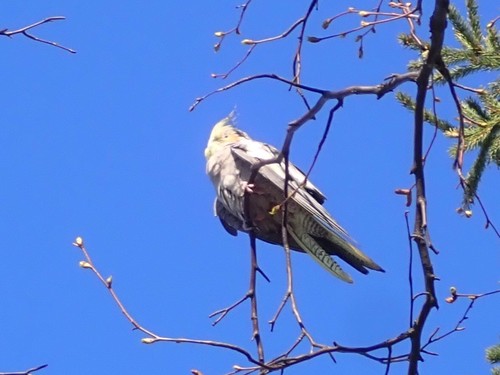 caturra
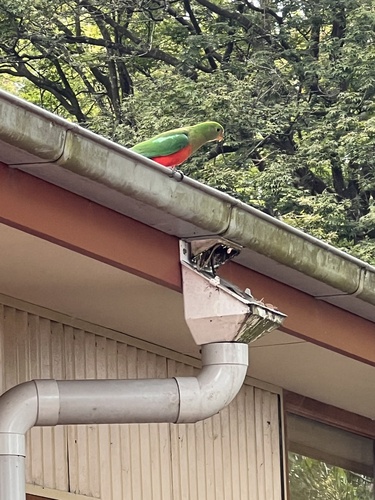 australian king-parrot
Em resumo
A marca de campo mais confiável entre caturra e australian king-parrot é a presença de uma crista proeminente e expressiva e uma cauda longa e delgada na caturra—características completamente ausentes no australian king-parrot. As juvenis caturra apresentam listras amarelas e manchas na parte inferior de suas asas e cauda, enquanto os juvenis australian king-parrots não possuem essas marcas e, em vez disso, se assemelham a fêmeas adultas com cabeças e peitos verdes. Os machos adultos australian king-parrots têm cabeças e peitos vermelhos impressionantes com asas verdes, enquanto as caturra do tipo selvagem são principalmente cinzas com um rosto amarelo e uma mancha laranja na bochecha. Ambas as espécies são nativas da Austrália, mas seu tamanho, estrutura e habitats típicos diferem dramaticamente.
Dicas de identificação
- Presença de crista: A caturra sempre apresenta uma crista proeminente e expressiva—sem crista no australian king-parrot de qualquer idade ou sexo.
- Forma e comprimento da cauda: A caturra tem uma cauda muito longa, delgada e pontuda; o australian king-parrot tem uma cauda longa, mas larga e com bordas retas.
- Padrão de asas e cauda juvenil: As juvenis caturra (e fêmeas adultas) apresentam listras amarelas na parte inferior da cauda e manchas amarelas na parte inferior das penas de voo—os australian king-parrots nunca mostram essas marcas em qualquer idade.
- Plumagem do macho adulto: O macho adulto australian king-parrot é vermelho brilhante na cabeça e no peito, verde nas costas e asas, com uma região azul na cauda— a caturra nunca mostra essa combinação de cores.
- Mancha na bochecha: A caturra (todas as idades) apresenta uma mancha laranja na bochecha (mais brilhante em machos adultos)—o australian king-parrot nunca tem uma mancha laranja na bochecha.
- Cor facial: Os machos caturra têm um rosto amarelo e crista; fêmeas e juvenis têm um rosto cinza com um tom amarelado. Os machos australian king-parrot têm um rosto vermelho, fêmeas e juvenis têm um rosto verde.
- Cor do bico: A caturra tem um bico pálido; os machos australian king-parrot têm uma mandíbula superior laranja-avermelhada com uma ponta preta, fêmeas e juvenis têm um bico cinza ou amarelado.
- Tamanho e volume do corpo: O australian king-parrot é muito maior e mais robusto do que a caturra— a diferença de tamanho é óbvia no campo.
- Estilo de voo: A caturra é ágil e rápida com asas pontudas; o australian king-parrot é mais pesado, com asas largas e um voo mais direto e poderoso.
- Habitat: A caturra é encontrada em habitats abertos, secos ou levemente arborizados; o australian king-parrot é restrito a florestas úmidas e florestas tropicais.
- Comportamento social: A caturra é frequentemente vista em bandos e muito sociável; o australian king-parrot é mais frequentemente encontrado em pares ou pequenos grupos, menos gregário.
- Mutação de cores em cativeiro: A caturra em cativeiro pode mostrar cores incomuns (amarelo, branco, canela, malhado, etc.), mas os pássaros selvagens são sempre cinzas/amarelos/laranjas e nunca se sobrepõem ao vermelho/verde/azul do australian king-parrot.
- Dimorfismo sexual: Os machos e fêmeas caturra diferem principalmente após a primeira muda; os machos e fêmeas australian king-parrot são dramaticamente diferentes na plumagem adulta.
- Cor da íris em juvenis: Os juvenis australian king-parrots têm íris marrons; a cor da íris da caturra não é diagnóstica.
- Sem sobreposição na faixa/habitat selvagem: Se visto em floresta densa, o australian king-parrot é provável; em campo aberto, a caturra é provável.
Tamanho
A caturra é notavelmente menor e mais leve (massa corporal ~86g [wikidata]) do que o australian king-parrot, que é muito maior (cerca de 43 cm de comprimento, sem massa dada, mas substancialmente mais pesado por estrutura [wikipedia]). A caturra tem uma cauda longa e muito delgada em relação ao tamanho do corpo, enquanto o australian king-parrot tem uma cauda longa, mas mais larga e um corpo mais robusto. No campo, os australian king-parrots parecem muito maiores e mais robustos do que a caturra esbelta e delicada.
Plumagem
As juvenis caturra (e fêmeas adultas) são cinzas no geral com listras amarelas na parte inferior da cauda e manchas amarelas na parte inferior das penas de voo; essas marcas são perdidas nos machos adultos após a primeira muda (6–9 meses), que então mostram um rosto e crista amarelos brilhantes com uma mancha laranja na bochecha mais vívida. As cristas da caturra estão sempre presentes e são expressivas. A plumagem da caturra é altamente variável em cativeiro, mas os pássaros selvagens são consistentemente cinzas, amarelos e laranjas. Em contraste, os machos adultos australian king-parrots são inconfundíveis: cabeça, peito e partes inferiores vermelhas brilhantes, costas e asas verdes com uma faixa de ombro verde pálido, região azul na cauda e uma cauda verde longa. Fêmeas e juvenis são principalmente verdes com uma faixa de ombro pálida pequena ou ausente e carecem da cabeça e peito vermelhos. Os juvenis australian king-parrots se assemelham às fêmeas, mas têm íris marrons e um bico amarelado. Os australian king-parrots nunca mostram uma crista, mancha laranja na bochecha ou as listras/manchas intrincadas das juvenis caturra. As mutações de cor da caturra em cativeiro podem ser confusas, mas os pássaros selvagens não se sobrepõem ao padrão ousado de vermelho e verde do australian king-parrot.
Comportamento
As caturra são altamente sociáveis, brincalhonas e frequentemente vistas em bandos, especialmente em campo aberto. Sua crista está constantemente se movendo, refletindo seu humor. Em voo, são ágeis, com asas longas e pontudas e uma cauda delgada e afilada. Os australian king-parrots são mais calmos, mais reservados e geralmente vistos em pares ou pequenos grupos, frequentemente em áreas florestais. Seu voo é direto e forte, com asas largas e um corpo pesado. Os australian king-parrots são menos propensos a serem encontrados em habitats abertos e não exibem o mesmo comportamento brincalhão de bandos que as caturra.
Habitat
As caturra são nativas de campos abertos em toda a Austrália, frequentemente vistas em regiões áridas ou semiáridas, pastagens e áreas levemente arborizadas. Elas não são típicas de florestas densas. Os australian king-parrots são restritos a áreas úmidas, florestas densas e florestas tropicais adjacentes ao longo da Austrália oriental, de Queensland a Victoria. Eles são raramente encontrados em campo aberto e são mais propensos a serem vistos em ou perto de habitats densos de eucalipto ou florestas tropicais. O contexto do habitat sozinho pode ser uma pista forte: caturra em campo aberto e seco; australian king-parrot em áreas florestadas e exuberantes.