

Calopsitta vs Australian King-Parrot
Nymphicus hollandicus contro Alisterus scapularis
Fai un quiz con Calopsitta e Australian King-Parrot
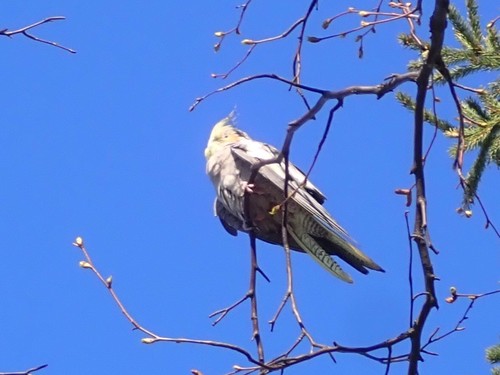 Calopsitta
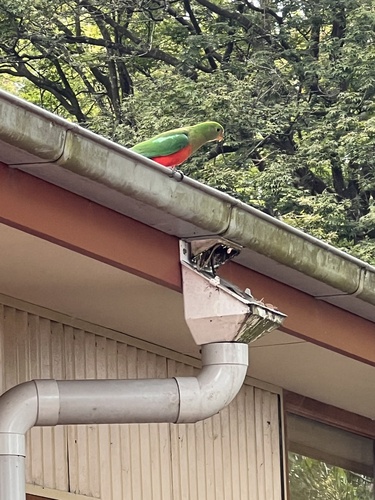 Australian King-Parrot
In breve
Il segno distintivo più affidabile tra Calopsitta e Australian King-Parrot è la presenza di una cresta prominente ed espressiva e di una lunga coda sottile nella Calopsitta—caratteristiche completamente assenti nell'Australian King-Parrot. I giovani Calopsitta mostrano barre gialle e macchie sulla parte inferiore delle ali e della coda, mentre i giovani King-Parrot mancano di questi segni e assomigliano invece a femmine adulte con teste e petti verdi. I maschi adulti di King-Parrot hanno una testa e un petto rosso vivace con ali verdi, mentre le Calopsitta di tipo selvatico sono per lo più grigie con un volto giallo e una macchia arancione sulle guance. Entrambe le specie sono native dell'Australia, ma le loro dimensioni, struttura e habitat tipici differiscono notevolmente.
Consigli di identificazione
- Crest presence: La Calopsitta mostra sempre una cresta prominente ed espressiva—nessuna cresta nell'Australian King-Parrot di qualsiasi età o sesso.
- Tail shape and length: La Calopsitta ha una coda molto lunga, sottile e appuntita; il King-Parrot ha una coda lunga ma larga, con bordi dritti.
- Juvenile wing and tail pattern: I giovani Calopsitta (e le femmine adulte) mostrano barre gialle sulla parte inferiore della coda e macchie gialle sulla parte inferiore delle penne volanti—i King-Parrot non mostrano mai questi segni a qualsiasi età.
- Adult male plumage: Il maschio adulto di King-Parrot è rosso brillante sulla testa e sul petto, verde sulla schiena e sulle ali, con un sottocoda blu—la Calopsitta non mostra mai questa combinazione di colori.
- Cheek patch: La Calopsitta (di tutte le età) mostra una macchia arancione sulle guance (più brillante nei maschi adulti)—il King-Parrot non ha mai una macchia arancione sulle guance.
- Facial color: I maschi di Calopsitta hanno un volto giallo e una cresta; le femmine e i giovani hanno un volto grigio con una sfumatura giallastra. I maschi di King-Parrot hanno un volto rosso, le femmine e i giovani hanno un volto verde.
- Bill color: La Calopsitta ha un becco chiaro; i maschi di King-Parrot hanno una mandibola superiore rosso-arancione con una punta nera, le femmine e i giovani hanno un becco grigio o giallastro.
- Body size and bulk: Il King-Parrot è molto più grande e robusto della Calopsitta—la differenza di dimensioni è evidente sul campo.
- Flight style: La Calopsitta è agile e veloce con ali appuntite; il King-Parrot è più pesante, con ali larghe e un volo più diretto e potente.
- Habitat: La Calopsitta si trova in habitat aperti, asciutti o leggermente boscosi; il King-Parrot è limitato a foreste umide e foreste pluviali.
- Social behavior: La Calopsitta è spesso in stormi ed è molto socievole; il King-Parrot è più spesso in coppie o piccoli gruppi, meno gregario.
- Captive color mutations: La Calopsitta in cattività può mostrare colori insoliti (giallo, bianco, cannella, pezzato, ecc.), ma gli uccelli selvatici sono sempre grigi/gialli/arancioni e non si sovrappongono mai con il rosso/verde/blu del King-Parrot.
- Sexual dimorphism: I maschi e le femmine di Calopsitta differiscono principalmente dopo la prima muta; i maschi e le femmine di King-Parrot sono drammaticamente diversi nel piumaggio adulto.
- Iris color in juveniles: I giovani King-Parrot hanno iridi marroni; il colore dell'iride della Calopsitta non è diagnostico.
- No overlap in wild range/habitat: Se visti in una foresta densa, è probabile che sia un King-Parrot; in un paese aperto, è probabile che sia una Calopsitta.
Taglia
La Calopsitta è notevolmente più piccola e leggera (massa corporea ~86g [wikidata]) rispetto all'Australian King-Parrot, che è molto più grande (circa 43 cm di lunghezza, nessuna massa fornita ma sostanzialmente più pesante per struttura [wikipedia]). La Calopsitta ha una coda lunga e molto sottile rispetto alla dimensione del corpo, mentre il King-Parrot ha una coda lunga ma più larga e un corpo più robusto. Sul campo, i King-Parrot appaiono molto più grandi e robusti rispetto alla Calopsitta snella e delicata.
Piumaggio
I giovani Calopsitta (e le femmine adulte) sono grigi in generale con barre gialle sulla parte inferiore della coda e macchie gialle sulla parte inferiore delle penne volanti; questi segni vengono persi nei maschi adulti dopo la loro prima muta (6–9 mesi), che mostrano poi un volto e una cresta gialli brillanti con una macchia arancione più vivida. Le creste della Calopsitta sono sempre presenti ed espressive. Il piumaggio della Calopsitta è altamente variabile in cattività, ma gli uccelli selvatici sono costantemente grigi, gialli e arancioni. Al contrario, i maschi adulti di Australian King-Parrot sono inconfondibili: testa, petto e parti inferiori rosse brillanti, schiena e ali verdi con una banda sulla spalla verde chiaro, sottocoda blu e una lunga coda verde. Le femmine e i giovani sono per lo più verdi con una piccola banda sulla spalla pallida o assente e mancano della testa e del petto rossi. I giovani King-Parrot assomigliano alle femmine ma hanno iridi marroni e un becco giallastro. I King-Parrot non mostrano mai una cresta, una macchia arancione sulle guance o le intricate barre/macchie dei giovani Calopsitta. Le mutazioni di colore della Calopsitta in cattività possono essere confuse, ma gli uccelli selvatici non si sovrappongono con il bold rosso e verde del King-Parrot.
Comportamento
Le Calopsitta sono altamente socievoli, giocose e spesso viste in stormi, specialmente in paesi aperti. La loro cresta è costantemente in movimento, riflettendo il loro umore. In volo, sono agili, con ali lunghe e appuntite e una coda sottile e affusolata. Gli Australian King-Parrots sono più calmi, più riservati e di solito si vedono in coppie o piccoli gruppi, spesso in aree boschive. Il loro volo è diretto e forte, con ali larghe e un corpo pesante. I King-Parrot sono meno probabili da incontrare in habitat aperti e non mostrano lo stesso comportamento giocoso di stormo delle Calopsitta.
Habitat
Le Calopsitta sono native di paesi aperti in tutta l'Australia, spesso viste in regioni aride o semi-aride, praterie e aree leggermente boschive. Non sono tipiche delle foreste dense. Gli Australian King-Parrots sono limitati a zone montuose umide e densamente boschive e foreste pluviali adiacenti lungo l'Australia orientale, dal Queensland al Victoria. Sono raramente trovati in paesi aperti e sono più probabili da vedere in o vicino a habitat densi di eucalipti o foreste pluviali. Il contesto dell'habitat da solo può essere un forte indizio: Calopsitta in paesi aperti e asciutti; King-Parrot in zone montuose lussureggianti e boschive.
Calopsitta · Australian King-Parrot · I miei uccelli difficili