

chapim-carvoeiro vs chapim-real
Periparus ater versus Parus major
Jogue um quiz com chapim-carvoeiro e chapim-real
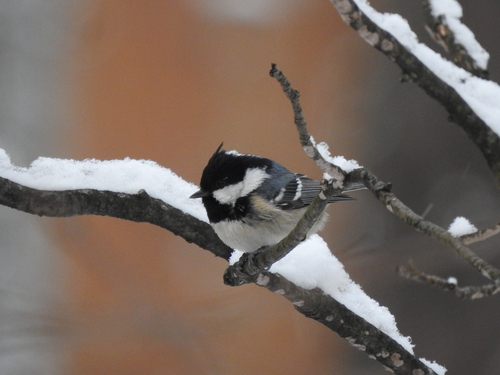 chapim-carvoeiro
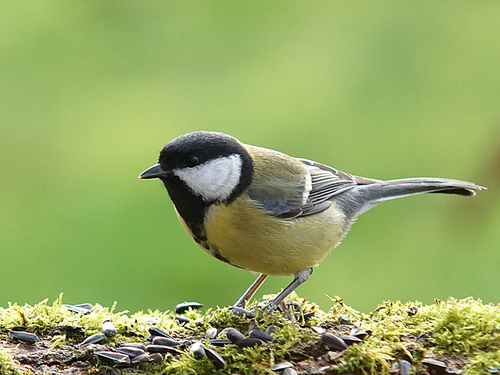 chapim-real
Em resumo
A maneira mais consistente de separar o chapim-carvoeiro do chapim-real é a mancha branca distinta na nuca do chapim-carvoeiro, que está ausente no chapim-real. Os filhotes de chapim-carvoeiro são mais apagados, mas ainda mostram essa marca na nuca, enquanto os filhotes de chapim-real nunca a têm. Os chapins-reais são visivelmente maiores e mais robustos, com uma faixa preta ousada no meio descendo suas partes inferiores amarelas brilhantes, contrastando com as flancos mais claros e menos vívidos do chapim-carvoeiro. Ambos podem mostrar barras brancas nas asas, mas as do chapim-carvoeiro são mais nítidas e duplas, enquanto as do chapim-real são geralmente simples e menos óbvias. Em voo ou à distância, o tamanho e a estrutura podem ajudar, mas a mancha na nuca e a cor das partes inferiores são as pistas mais confiáveis.
Dicas de identificação
- Mancha branca na nuca (apenas chapim-carvoeiro): Procure uma mancha branca nítida na nuca, visível de trás ou de perfil. Nenhum chapim-real jamais mostra isso.
- Cor das partes inferiores: O chapim-real tem partes inferiores amarelas brilhantes com uma faixa preta ousada no meio; o chapim-carvoeiro é mais claro, com flancos esbranquiçados a cor de canela/rúfio e sem faixa preta na barriga.
- Tamanho e estrutura: O chapim-real é muito maior e mais robusto, com uma cabeça e bico maiores. O chapim-carvoeiro é visivelmente menor e mais delicado, especialmente em bandos mistos.
- Barras nas asas: O chapim-carvoeiro mostra duas barras brancas claras nas asas (de coberturas com pontas brancas), especialmente óbvias em voo ou quando empoleiradas. O chapim-real geralmente tem apenas uma, muitas vezes fraca, barra nas asas.
- Padrão da cabeça: Ambos têm cabeças pretas e bochechas brancas, mas a cabeça do chapim-carvoeiro é mais brilhante e compacta, e a mancha branca na nuca é única.
- Cor das bochechas (filhotes): Os filhotes de chapim-carvoeiro têm bochechas e nuca amareladas; os filhotes de chapim-real têm nucas e pescoços mais apagados, de cor oliva-marrom, caudas mais cinzentas e brancas menos definidas nas asas e na cauda; eles nunca mostram uma mancha branca na nuca.
- Faixa na barriga: Apenas o chapim-real tem uma larga faixa preta descendo pela barriga; o chapim-carvoeiro nunca mostra isso.
- Padrão da cauda: A cauda do chapim-real é azul-cinza com pontas brancas; a do chapim-carvoeiro é mais simples e curta.
- Tamanho do bico: O bico do chapim-real é visivelmente mais robusto e longo; o do chapim-carvoeiro é fino e curto.
- Comportamento: O chapim-carvoeiro é mais ativo, muitas vezes alto em coníferas, e mais propenso a ficar de cabeça para baixo. O chapim-real é mais ousado, forrageia mais baixo e domina os comedouros.
- Habitat: O chapim-carvoeiro prefere coníferas; o chapim-real utiliza uma gama mais ampla de habitats, incluindo jardins e parques.
- Vocalizações: Os chamados do chapim-carvoeiro são altos, finos e rápidos. Os do chapim-real são mais altos, mais lentos e mais variados.
- Diferenças sexuais: As fêmeas de chapim-real são mais apagadas com uma faixa na barriga mais estreita; os sexos do chapim-carvoeiro são mais semelhantes.
- Voo: O chapim-carvoeiro é rápido e leve; o chapim-real é mais pesado e mais direto.
- Armadilhas: Em luz fraca, a mancha na nuca do chapim-carvoeiro pode ser difícil de ver; em algumas subespécies, a cor das partes inferiores varia, então confie em múltiplas marcas. Os filhotes de chapim-carvoeiro podem parecer apagados, mas ainda mostram a mancha na nuca.
Tamanho
O chapim-real é substancialmente maior e mais pesado que o chapim-carvoeiro (chapim-real: ~18,5g [wikidata]; chapim-carvoeiro: menor, sem massa exata dada, mas visivelmente mais leve em campo). O corpo do chapim-real é mais longo (12,5–14 cm vs. 10–11,5 cm do chapim-carvoeiro), com uma construção mais robusta e uma cabeça e bico maiores. O chapim-carvoeiro parece mais delicado, com um bico menor e mais fino e uma estrutura geral mais delicada. Em bandos mistos, a diferença de tamanho é geralmente óbvia mesmo à primeira vista.
Plumagem
- Filhotes: Os filhotes de chapim-carvoeiro não têm a cabeça preta brilhante do adulto, mas ainda mostram uma mancha na nuca pálida (embora tingida de amarelo), e suas bochechas também são amareladas. Os filhotes de chapim-real são mais apagados que os adultos, com nucas e pescoços de cor oliva-marrom, caudas mais cinzentas e brancas menos definidas nas asas e na cauda; eles nunca mostram uma mancha branca na nuca. Os filhotes de ambas as espécies são, em geral, menos nítidos que os adultos, mas a mancha na nuca do chapim-carvoeiro ainda é uma marca chave.
- Adultos: O chapim-carvoeiro tem uma coroa, garganta e pescoço pretos com uma grande mancha branca na nuca e bochechas off-white (às vezes tingidas de cinza/amarelo). Suas partes inferiores são esbranquiçadas, sombreadas para canela ou rúfio nos flancos, e mostra duas barras brancas claras nas asas. Os adultos de chapim-real têm uma coroa e cabeça azul-preta, bochechas brancas, um grande babador preto e uma faixa na barriga de meio preto, e partes inferiores amarelas brilhantes. A nuca é branca opaca a amarelada, mas nunca uma mancha branca nítida. A barra do chapim-real é menos distinta, e a cauda é azul-cinza com pontas brancas.
- Sexos: As fêmeas de chapim-real são mais apagadas que os machos, com uma faixa na barriga mais estreita, às vezes quebrada. O chapim-carvoeiro mostra menos dimorfismo sexual, mas as fêmeas podem ser ligeiramente mais apagadas.
- Visões em voo: As barras brancas duplas do chapim-carvoeiro são mais proeminentes em voo; a barra única do chapim-real é menos marcante. A mancha branca na nuca do chapim-carvoeiro é frequentemente visível de trás, mesmo em voo.
Comportamento
Os chapins-carvoeiro são mais ágeis e frequentemente se alimentam altos em coníferas, movendo-se rapidamente e às vezes ficando de cabeça para baixo. Eles são mais propensos a se juntar a bandos de espécies mistas e geralmente são menos ousados ao redor dos humanos. Os chapins-reais são mais ousados, mais propensos a ir aos comedouros e frequentemente forrageiam mais baixo nas árvores ou até mesmo no chão. Seus movimentos são mais lentos e deliberados, e eles frequentemente dominam os chapins-carvoeiro nos locais de alimentação. Em voo, o chapim-real parece mais pesado e menos leve que o rápido e leve chapim-carvoeiro.
Habitat
O chapim-carvoeiro prefere florestas de coníferas ou mistas, especialmente áreas com abetos, firas ou pinheiros, mas também pode ser encontrado em parques e jardins com árvores adequadas. O chapim-real é mais generalista, encontrado em quase qualquer tipo de floresta, bem como em jardins, parques e até mesmo áreas urbanas. Se você estiver em uma densa floresta de coníferas, o chapim-carvoeiro é mais provável; em florestas de folhas largas ou parques urbanos, o chapim-real é geralmente mais comum.
Voz
O chapim-carvoeiro emite chamados altos, finos e rápidos 'dee' ou 'see-see', muitas vezes incessantes em bandos. Sua canção é um 'if-he, if-he, if-he' rápido e agudo, muito mais rápido e alto que a do chapim-real, às vezes terminando com um 'ichi' agudo. A canção do chapim-real é mais lenta, de tom mais baixo e mais variada, muitas vezes um 'teacher-teacher' repetido ou frases semelhantes. Os chamados também são mais altos e mais ressonantes no chapim-real. Se você ouvir uma canção rápida, aguda e quase estridente, pense no chapim-carvoeiro; uma canção mais lenta, ousada e mais variada aponta para o chapim-real.