

Cincia mora vs Cinciallegra
Periparus ater contro Parus major
Fai un quiz con Cincia mora e Cinciallegra
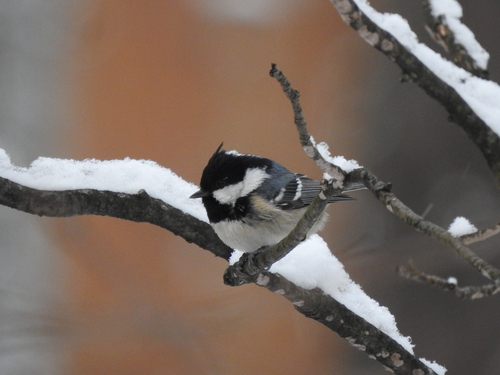 Cincia mora
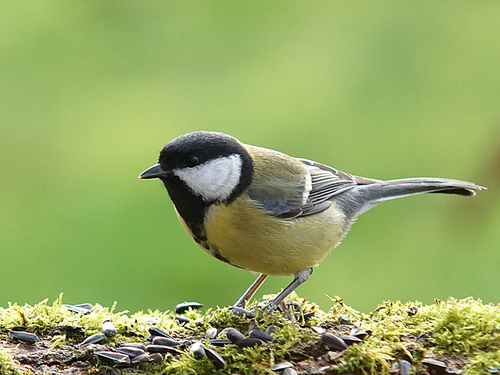 Cinciallegra
In breve
Il modo più consistente per separare la Cincia mora dalla Cinciallegra è il caratteristico punto bianco sulla nuca della Cincia mora, assente nella Cinciallegra. Le Cince mora juvenile sono più opache ma mostrano comunque questo segno sulla nuca, mentre le juvenile Cinciallegra non lo hanno mai. Le Cinciallegra sono notevolmente più grandi e robuste, con una bold striscia nera centrale sulle loro parti inferiori giallo brillante, in contrasto con i fianchi più chiari e meno vividi della Cincia mora. Entrambi possono mostrare barre alari bianche, ma quelle della Cincia mora sono più nitide e doppie, mentre quelle della Cinciallegra sono di solito singole e meno evidenti. In volo o a distanza, la dimensione e la struttura possono aiutare, ma il punto sulla nuca e il colore delle parti inferiori sono gli indizi più affidabili.
Consigli di identificazione
- Punto bianco sulla nuca (solo Cincia mora): Cerca un punto bianco nitido sulla nuca, visibile da dietro o di profilo. Nessuna Cinciallegra mostra mai questo.
- Colore delle parti inferiori: La Cinciallegra ha parti inferiori giallo brillante con una bold striscia nera centrale; la Cincia mora è più chiara, con fianchi bianchi a buff/rufous e senza striscia nera sull'addome.
- Dimensione e struttura: La Cinciallegra è molto più grande e robusta, con una testa e un becco più grandi. La Cincia mora è notevolmente più piccola e delicata, specialmente in stormi misti.
- Barre alari: La Cincia mora mostra due barre alari bianche chiare (da copritrici con punte bianche), particolarmente evidenti in volo o quando è posata. La Cinciallegra di solito ha solo una barretta, spesso debole.
- Schema della testa: Entrambi hanno teste nere e guance bianche, ma la testa della Cincia mora è più lucida e compatta, e il punto bianco sulla nuca è unico.
- Colore delle guance (juvenile): Le Cince mora juvenile hanno guance e nuca giallastre; le juvenile Cinciallegra hanno nuca e collo più opachi, di colore oliva-marrone e guance bianche meno nitide.
- Striscia sull'addome: Solo la Cinciallegra ha una larga striscia nera che scende lungo l'addome; la Cincia mora non mostra mai questo.
- Schema della coda: La coda della Cinciallegra è blu-grigia con punte bianche esterne; quella della Cincia mora è più semplice e corta.
- Dimensione del becco: Il becco della Cinciallegra è notevolmente più robusto e lungo; quello della Cincia mora è fine e corto.
- Comportamento: La Cincia mora è più attiva, spesso in alto tra le conifere, e più propensa a stare a testa in giù. La Cinciallegra è più audace, cerca cibo più in basso e domina i mangiatoie.
- Habitat: La Cincia mora preferisce le conifere; la Cinciallegra utilizza una gamma più ampia di habitat, inclusi giardini e parchi.
- Vocalizzazioni: I richiami della Cincia mora sono alti, sottili e rapidi. Quelli della Cinciallegra sono più forti, più lenti e più variati.
- Differenze sessuali: Le femmine di Cinciallegra sono più opache con una striscia sull'addome più stretta; i sessi della Cincia mora sono più simili.
- Volo: La Cincia mora è veloce e svolazzante; la Cinciallegra è più pesante e diretta.
- Insidie: In scarsa illuminazione, il punto sulla nuca della Cincia mora può essere difficile da vedere; in alcune sottospecie, il colore delle parti inferiori varia, quindi fai affidamento su più segni. Le juvenile Cince mora possono apparire opache ma mostrano comunque il punto sulla nuca.
Taglia
La Cinciallegra è sostanzialmente più grande e pesante della Cincia mora (Cinciallegra: ~18.5g [wikidata]; Cincia mora: più piccola, nessuna massa esatta fornita ma visibilmente più snella sul campo). Il corpo della Cinciallegra è più lungo (12.5–14 cm contro i 10–11.5 cm della Cincia mora), con una costruzione più robusta e una testa e un becco più grandi. La Cincia mora appare più delicata, con un becco più piccolo e fine e una struttura generale più delicata. In stormi misti, la differenza di dimensione è di solito evidente anche a un colpo d'occhio.
Piumaggio
- Juvenili: Le Cince mora juvenile mancano della testa nera lucida degli adulti ma mostrano comunque un punto sulla nuca pallido (anche se con una sfumatura gialla), e le loro guance sono anch'esse giallastre. Le juvenile Cinciallegra sono più opache degli adulti, con nuca e collo di colore oliva-marrone, code più grigie e bianco meno definito nelle ali e nella coda; non mostrano mai un punto bianco sulla nuca. I juvenile di entrambe le specie sono complessivamente meno nitidi degli adulti, ma il punto sulla nuca della Cincia mora è ancora un segno chiave.
- Adulti: La Cincia mora ha una corona nera, gola e collo con un grande punto bianco sulla nuca e guance off-white (a volte grigie/sfocate di giallo). Le sue parti inferiori sono bianche, sfumando a buff o rufous sui fianchi, e mostra due barre alari bianche chiare. Gli adulti di Cinciallegra hanno una corona e una testa blu-nera, guance bianche, un ampio pettorale nero e una striscia centrale nera sull'addome, e parti inferiori giallo limone brillanti. La nuca è di un bianco opaco a giallastro, ma mai un punto bianco nitido. La barretta della Cinciallegra è meno distintiva, e la coda è blu-grigia con punte bianche esterne.
- Sessi: Le femmine di Cinciallegra sono più opache dei maschi, con una striscia nera sull'addome più stretta, a volte interrotta. La Cincia mora mostra meno dimorfismo sessuale, ma le femmine possono essere leggermente più opache.
- Viste in volo: Le barre alari bianche doppie della Cincia mora sono più prominenti in volo; la barretta singola della Cinciallegra è meno appariscente. Il punto bianco sulla nuca della Cincia mora è spesso visibile da dietro, anche in volo.
Comportamento
Le Cince mora sono più agili e spesso si nutrono in alto tra le conifere, muovendosi rapidamente e a volte appese a testa in giù. Sono più propense a unirsi a stormi di specie miste e generalmente meno audaci attorno agli esseri umani. Le Cinciallegra sono più audaci, più propense a venire ai mangiatoie, e spesso cercano cibo più in basso sugli alberi o addirittura a terra. I loro movimenti sono più lenti e deliberati, e spesso dominano le Cince mora nei siti di alimentazione. In volo, la Cinciallegra appare più pesante e meno svolazzante rispetto alla Cincia mora, che è veloce e leggera.
Habitat
La Cincia mora preferisce i boschi di conifere o misti, specialmente in aree con abete, abete rosso o pino, ma può anche essere trovata in parchi e giardini con alberi adatti. La Cinciallegra è più generalista, trovata in quasi qualsiasi tipo di bosco, così come in giardini, parchi e persino aree urbane. Se ti trovi in una foresta di conifere densa, è più probabile che tu veda la Cincia mora; nei boschi a foglia larga o nei parchi urbani, la Cinciallegra è di solito più comune.
Voce
La Cincia mora emette richiami alti, sottili e rapidi 'dee' o 'see-see', spesso incessanti in stormi. Il suo canto è un 'if-he, if-he, if-he' veloce e acuto, molto più rapido e alto rispetto a quello della Cinciallegra, a volte terminando con un 'ichi' acuto. Il canto della Cinciallegra è più lento, di tono più basso e più vario, spesso un 'teacher-teacher' ripetuto o frasi simili. I richiami sono anche più forti e più risonanti nella Cinciallegra. Se senti un canto rapido, acuto e quasi squillante, pensa alla Cincia mora; un canto più lento, audace e vario indica la Cinciallegra.