

chinspot batis vs pale batis
Batis molitor versus Batis soror
Jogue um quiz com chinspot batis e pale batis
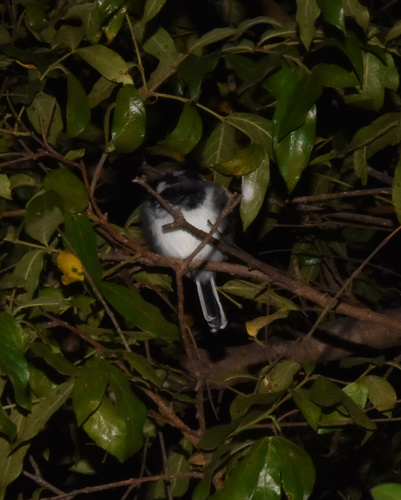 chinspot batis
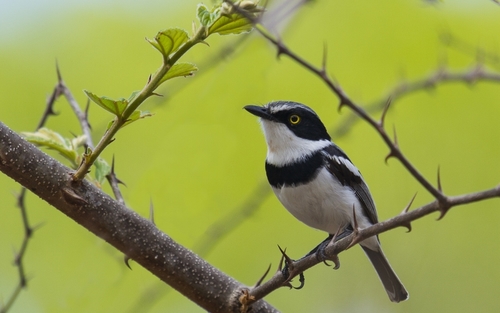 pale batis
Em resumo
A marca de campo mais confiável entre chinspot batis e pale batis é a cor e clareza da faixa peitoral: o macho chinspot batis apresenta uma faixa peitoral preta sólida, enquanto o macho pale batis também tem uma faixa preta, mas é geralmente mais claro no geral e tem um dorso cinza mais claro. As fêmeas de ambas as espécies têm uma faixa peitoral ruiva ou castanha e uma mancha na garganta, mas a tonalidade e a intensidade diferem sutilmente (castanha no chinspot, ruiva mais clara no pale). Os pássaros imaturos são semelhantes às fêmeas, mas com tons ainda mais apagados, alourados ou amarelados. Ambas as espécies compartilham uma máscara facial preta, garganta branca e olhos amarelos, mas o pale batis é ligeiramente menor e mais claro na parte superior, com manchas brancas discretas nas costas. No campo, procure pela aparência mais robusta e escura do chinspot e pela parte superior mais clara e manchada do pale batis. Vocalizações e diferenças sutis no comportamento ou habitat podem ajudar, mas a plumagem—especialmente a faixa peitoral e a cor do dorso—é fundamental.
Dicas de identificação
- Cor e clareza da faixa peitoral (machos adultos): O chinspot batis apresenta uma faixa peitoral preta sólida e nítida; o pale batis também tem uma faixa preta, mas é geralmente mais claro na parte superior e a faixa pode parecer menos ousada devido ao dorso mais claro e à plumagem geral mais clara.
- Faixa peitoral de fêmeas e imaturos: A fêmea do chinspot batis tem uma faixa peitoral castanha e mancha na garganta; a fêmea do pale batis tem uma faixa ruiva mais clara e mancha no queixo. Os imaturos de ambos são ainda mais apagados, com o chinspot tendendo a ser alourado e o pale batis amarelado ou acastanhado.
- Cor e padrão do dorso: O chinspot batis tem um dorso cinza liso; o pale batis é cinza mais claro na parte superior e apresenta manchas ou padrões brancos discretos nas costas, dando uma aparência de 'frosted'—isso é sutil, mas pode ser visto de perto.
- Padrão facial: Ambos têm uma máscara preta e supercílios/linha dos olhos brancos, mas a máscara do pale batis é contornada por uma linha branca mais fina e nítida, e a touca é cinza mais clara.
- Faixa das asas: O chinspot batis tem uma faixa branca proeminente nas asas; as marcas das asas do pale batis são menos enfatizadas, com bordas e manchas mais difusas e claras.
- Partes inferiores: Ambos são brancos por baixo, mas o chinspot batis tende a parecer mais limpo e mais nitidamente marcado, enquanto o pale batis pode mostrar uma lavagem amarelada em imaturos.
- Cor dos olhos: Ambas as espécies têm olhos amarelos—isso não é um separador.
- Bico e pernas: Ambos são pretos—sem separação aqui.
- Tamanho e estrutura: O chinspot batis é ligeiramente maior e mais robusto; o pale batis é um pouco menor e mais delicado, mas isso raramente é diagnóstico a menos que vistos lado a lado.
- Comportamento: O chinspot batis é mais propenso a ser visto sozinho ou em pares e é notavelmente territorial e agressivo, frequentemente batendo as asas e a cauda, e fazendo voos de exibição rápidos. O pale batis também é ativo, mas é mais provável que se junte a bandos de espécies mistas e é menos agressivo.
- Habitat: O chinspot batis é amplamente distribuído nas florestas do sul/centro da África; o pale batis é mais restrito à África oriental e florestas de miombo. Use isso apenas como uma pista de apoio.
- Vocalizações: O chinspot batis emite um assobio descendente de três notas; o pale batis repete um 'pook pook pook' melancólico e sonoro. Ouça o tom e a repetição, mas tenha cuidado com sobreposições e imitações.
- Comportamento de exibição: Ambas as espécies se envolvem em movimentos de asas e voos de exibição, mas a exibição do chinspot batis é mais agressiva e envolve movimentos mais pronunciados e posturas de cabeça erguida.
- Confusão juvenil/imatura: Os jovens de ambas as espécies se assemelham às fêmeas, mas são mais apagados; procure pela tonalidade da faixa peitoral (alourada no chinspot, amarelada/acastanhada no pale) e pela presença ou ausência de manchas nas costas (manchas brancas discretas apenas no pale batis).
- Armadilhas: A confusão mais comum é uma fêmea ou imaturo do chinspot batis confundido com o pale batis devido à faixa peitoral mais clara; sempre verifique o padrão do dorso e a clareza da faixa peitoral, e use a distribuição e o habitat como pistas secundárias.
Tamanho
Ambas as espécies são pequenos batis ativos, mas o pale batis é marginalmente mais leve e menor: o chinspot batis tem uma média de 8,7 g e 12–13 cm, enquanto o pale batis tem uma média de 9,6 g e 10,5–11,5 cm. A diferença é sutil e não é provável que seja diagnóstica no campo, mas o chinspot batis pode parecer ligeiramente mais robusto e forte, enquanto o pale batis é um pouco mais delicado e compacto.
Plumagem
Nenhum padrão de voo ou asa específico para a idade é descrito para ambas as espécies, então concentre-se em pássaros empoleirados. O macho adulto do chinspot batis tem uma faixa peitoral preta sólida, máscara facial preta, linha dos olhos branca curta, touca cinza e partes superiores cinzas com uma faixa branca proeminente nas asas; o dorso é cinza liso. A fêmea do chinspot batis substitui a faixa peitoral preta por uma faixa castanha e mancha na garganta. Os juvenis se assemelham às fêmeas, mas com uma faixa peitoral alourada e mancha na garganta. Os machos do pale batis também têm uma faixa peitoral e máscara pretas, mas as partes superiores são de um cinza mais claro, e o dorso é manchado com manchas brancas discretas, dando uma aparência mais 'frosted' ou menos uniforme. A fêmea do pale batis tem uma faixa peitoral ruiva clara e mancha no queixo, mais clara do que a castanha do chinspot. Os imaturos são como as fêmeas, mas com uma faixa peitoral mais acastanhada e uma lavagem amarelada por baixo. Ambas as espécies têm olhos amarelos, bicos e pernas pretos, e partes inferiores brancas, mas o pale batis é no geral mais claro e mais finamente marcado na parte superior.
Comportamento
Ambas as espécies são geralmente vistas sozinhas ou em pares e são forrageadoras ativas e inquietas, batendo as asas e a cauda. O chinspot batis é notavelmente territorial durante todo o ano, com machos defendendo territórios e exibindo com movimentos de asas e voos rápidos. O pale batis também é territorial, mas menos se sabe sobre seu comportamento social; ele frequentemente se junta a grupos de forrageamento de espécies mistas e forma 'parlamentos' de sexo único antes da reprodução, semelhante ao chinspot. Ambas as espécies usam poleiros proeminentes e se envolvem em exibições de cortejo envolvendo movimentos de asas e cauda, mas o chinspot batis é descrito como mais agressivo e propenso a atacar predadores.
Habitat
O chinspot batis é amplamente distribuído nas florestas do sul da África, desde o Cabo Oriental ao norte até o sul do Quênia e Gabão, e é comum em uma variedade de habitats florestais. O pale batis é mais localizado, encontrado principalmente na África oriental em florestas de miombo de baixa altitude. Embora ambas possam ocorrer em ambientes florestais semelhantes, o chinspot batis é mais provável de ser encontrado nas regiões sul e central, enquanto o pale batis está ligado à costa leste e zonas de miombo. A sobreposição é possível em algumas áreas, então o habitat sozinho nem sempre é diagnóstico.
Voz
Ambas as espécies têm um chamado territorial de três notas, mas a qualidade difere: o chinspot batis emite um assobio descendente de três notas, enquanto o chamado do pale batis é um 'pook pook pook' melancólico e repetido até 12 vezes. Ambas duetam com chamados excitados de 'wik-wik', e ambas usam estalos de bico e movimentos de asas em exibições. No campo, a diferença no tom e na repetição do chamado principal pode ajudar, mas ambos são variáveis e podem sobrepor-se na impressão.