

Chinspot Batis vs Pale Batis
Batis molitor contro Batis soror
Fai un quiz con Chinspot Batis e Pale Batis
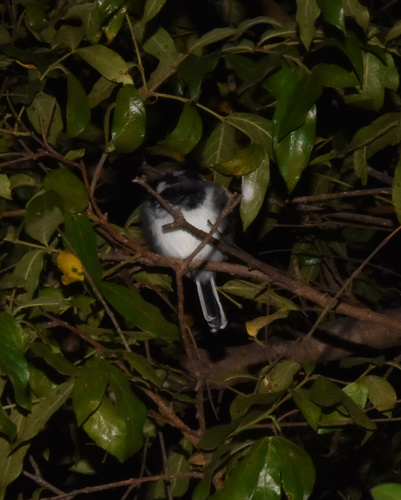 Chinspot Batis
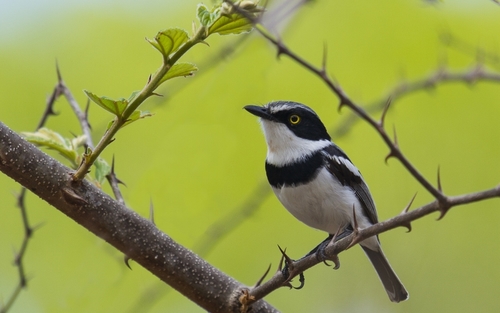 Pale Batis
In breve
Il segno di campo più affidabile tra Chinspot Batis e Pale Batis è il colore e la chiarezza della fascia del petto: il maschio Chinspot Batis mostra una fascia del petto nera e solida, mentre il maschio Pale Batis ha anch'esso una fascia nera ma è generalmente più chiaro nel complesso e ha un dorso grigio più chiaro. Le femmine di entrambe le specie hanno una fascia del petto ruggine o castagna e una macchia sulla gola, ma la tonalità e l'intensità differiscono sottilmente (castagna in Chinspot, ruggine più chiara in Pale). Gli uccelli immaturi sono simili alle femmine ma con toni ancora più opachi, ruggine o buffi. Entrambe le specie condividono una maschera facciale nera, una gola bianca e occhi gialli, ma Pale Batis è leggermente più piccolo e più chiaro sopra, con macchie bianche sfumate sul dorso. Sul campo, cerca l'aspetto più robusto e scuro di Chinspot e le parti superiori più chiare e maculate di Pale Batis. Le vocalizzazioni e le sottili differenze nel comportamento o nell'habitat possono aiutare, ma il piumaggio—specialmente la fascia del petto e il colore del dorso—è fondamentale.
Consigli di identificazione
- Colore e chiarezza della fascia del petto (maschi adulti): Chinspot Batis mostra una fascia del petto nera e solida; Pale Batis ha anch'esso una fascia nera ma è generalmente più chiaro sopra e la fascia può apparire meno audace a causa del dorso più chiaro e del piumaggio complessivamente più chiaro.
- Fascia del petto delle femmine e degli immaturi: La femmina Chinspot Batis ha una fascia del petto castagna e una macchia sulla gola; la femmina Pale Batis ha una fascia ruggine più chiara e una macchia sul mento. Gli immaturi di entrambe le specie sono ancora più opachi, con Chinspot tendente al ruggine e Pale Batis buffo o bruno.
- Colore e motivo del dorso: Chinspot Batis ha un dorso grigio uniforme; Pale Batis è grigio più chiaro sopra e mostra una leggera maculatura o macchie bianche sul dorso, dando un aspetto ghiacciato—questo è sottile ma può essere visto da vicino.
- Motivo del viso: Entrambi hanno una maschera nera e un sopracciglio/striscia oculare bianca, ma la maschera di Pale Batis è bordata da una linea bianca più sottile e affilata, e il cappuccio è grigio più chiaro.
- Striscia alare: Chinspot Batis ha una striscia alare bianca prominente; i segni alari di Pale Batis sono meno enfatizzati, con bordi e macchie più sfumati.
- Parte inferiore: Entrambi sono bianchi sotto, ma Chinspot Batis tende a sembrare più pulito e più nettamente marcato, mentre Pale Batis può mostrare una sfumatura buffa negli immaturi.
- Colore degli occhi: Entrambe le specie hanno occhi gialli—questo non è un separatore.
- Becco e zampe: Entrambi sono neri—nessuna separazione qui.
- Dimensione e struttura: Chinspot Batis è leggermente più grande e robusto; Pale Batis è un po' più piccolo e più delicato, ma questo è raramente diagnostico a meno che non siano visti fianco a fianco.
- Comportamento: Chinspot Batis è più probabile che venga visto da solo o in coppie ed è notevolmente territoriale e aggressivo, spesso muovendo le ali e la coda, e facendo voli di esibizione jinky. Pale Batis è anche attivo ma è più probabile che si unisca a stormi di specie miste ed è meno aggressivo.
- Habitat: Chinspot Batis è diffuso nelle foreste dell'Africa meridionale/centrale; Pale Batis è più ristretto all'Africa orientale e alle foreste di miombo. Usa questo solo come indizio di supporto.
- Vocalizzazioni: Chinspot Batis emette un fischio discendente a tre note; Pale Batis ripete un 'pook pook pook' lamentoso e melodioso. Ascolta il tono e la ripetizione, ma fai attenzione alla sovrapposizione e alla mimetizzazione.
- Comportamento di esibizione: Entrambe le specie partecipano a frullamenti delle ali e voli di esibizione, ma l'esibizione di Chinspot Batis è più aggressiva e coinvolge movimenti più pronunciati e posture con la testa alta.
- Confusione giovanile/immatura: Gli uccelli giovani di entrambe le specie assomigliano alle femmine ma sono più opachi; cerca la tonalità della fascia del petto (ruggine in Chinspot, buffa/bruna in Pale) e la presenza o assenza di maculatura sul dorso (macchie bianche sfumate solo in Pale Batis).
- Trappole: Il mix-up più comune è una femmina o un immaturo Chinspot Batis scambiato per Pale Batis a causa della fascia del petto più chiara; controlla sempre il motivo del dorso e la chiarezza della fascia del petto, e usa l'area e l'habitat come indizi secondari.
Taglia
Entrambe le specie sono piccoli batis, ma Pale Batis è marginalmente più leggero e più corto: Chinspot Batis pesa in media 8.7 g e misura 12–13 cm, mentre Pale Batis pesa in media 9.6 g e misura 10.5–11.5 cm. La differenza è sottile e non è probabile che sia diagnostica sul campo, ma Chinspot Batis può apparire leggermente più robusto e massiccio, mentre Pale Batis è un po' più delicato e compatto.
Piumaggio
Nessun modello di volo o di ala specifico per età è descritto per entrambe le specie, quindi concentrati sugli uccelli in posizione. Il maschio adulto Chinspot Batis ha una fascia del petto nera e solida, una maschera facciale nera, una breve striscia oculare bianca, un cappuccio grigio e parti superiori grigie con una striscia alare bianca prominente; il dorso è grigio uniforme. La femmina Chinspot Batis sostituisce la fascia del petto nera con una fascia castagna e una macchia sulla gola. I giovani assomigliano alle femmine ma con una fascia del petto ruggine e una macchia sulla gola. I maschi Pale Batis hanno anch'essi una fascia del petto e una maschera nera, ma le parti superiori sono di un grigio più chiaro, e il dorso è maculato con macchie bianche sfumate, dando un aspetto più 'ghiacciato' o meno uniforme. La femmina Pale Batis ha una fascia del petto ruggine chiara e una macchia sul mento, più chiara della castagna di Chinspot. Gli immaturi sono simili alle femmine ma con una fascia del petto più bruna e una sfumatura buffa sotto. Entrambe le specie hanno occhi gialli, becchi e zampe neri, e parti inferiori bianche, ma Pale Batis è complessivamente più chiaro e più finemente marcato sopra.
Comportamento
Entrambe le specie sono solitamente viste singolarmente o in coppie e sono attive, cercatori irrequieti, muovendo ali e code. Chinspot Batis è notevolmente territoriale tutto l'anno, con maschi che difendono territori e si esibiscono con frullamenti delle ali e voli jinky. Pale Batis è anche territoriale ma si sa meno sul suo comportamento sociale; spesso si unisce a gruppi di foraggiamento di specie miste e forma 'parlamenti' di sesso singolo prima della riproduzione, simile a Chinspot. Entrambe le specie usano posatoi prominenti e partecipano a esibizioni di corteggiamento che coinvolgono movimenti delle ali e della coda, ma Chinspot Batis è descritto come più aggressivo e probabile a mobbare i predatori.
Habitat
Chinspot Batis è diffuso nelle foreste dell'Africa meridionale, dal Capo Orientale a nord fino al Kenya meridionale e al Gabon, ed è comune in una varietà di habitat forestali. Pale Batis è più localizzato, trovato principalmente nell'Africa orientale nelle foreste di miombo a bassa quota. Anche se entrambe possono verificarsi in ambienti forestali simili, Chinspot Batis è più probabile nelle regioni meridionali e centrali, mentre Pale Batis è legato alla costa orientale e alle zone di miombo. È possibile una sovrapposizione in alcune aree, quindi l'habitat da solo non è sempre diagnostico.
Voce
Entrambe le specie hanno un richiamo territoriale a tre note, ma la qualità differisce: Chinspot Batis emette un fischio discendente a tre note, mentre il richiamo di Pale Batis è un 'pook pook pook' lamentoso e ripetuto fino a 12 volte. Entrambi duettano con eccitati richiami 'wik-wik', e entrambi usano scatti del becco e frullamenti delle ali nelle esibizioni. Sul campo, la differenza nel tono e nella ripetizione del richiamo principale può aiutare, ma entrambi sono variabili e possono sovrapporsi nell'impressione.