

cassin's hawk-eagle vs águia-preta-e-branca
Aquila africana versus Aquila spilogaster
Jogue um quiz com cassin's hawk-eagle e águia-preta-e-branca
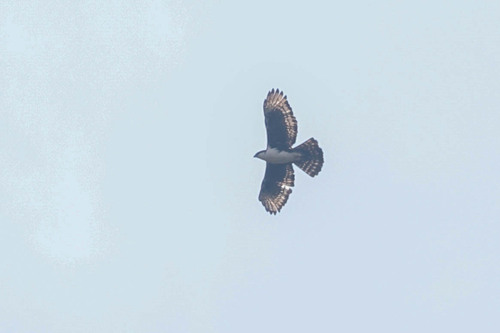 cassin's hawk-eagle
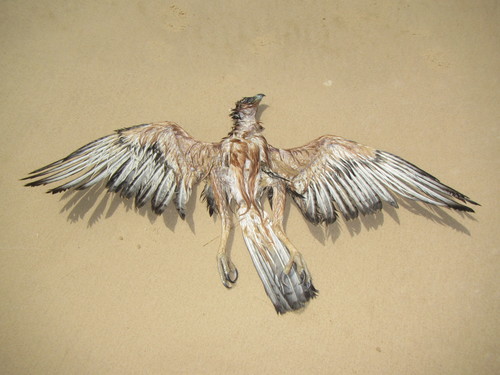 águia-preta-e-branca
Em resumo
A maneira mais confiável de separar o cassin's hawk-eagle da águia-preta-e-branca é focar em padrões de asas e corpo específicos da idade em voo: os juvenis de cassin's apresentam coberturas de asas inferiores pálidas e manchas pretas pesadas no abdômen, enquanto os juvenis de águia-preta-e-branca têm partes inferiores ruivas-tawny com apenas listras fracas ou ausentes. Os adultos diferem na densidade e tipo de marcas nas partes inferiores e no padrão da asa superior e da cauda. Estruturalmente, a águia-preta-e-branca é a espécie maior, com pescoço mais longo e pernas mais longas, frequentemente parecendo mais robusta e com uma cabeça mais proeminente. O habitat também pode ser uma pista: o cassin's é um especialista secreto de florestas primárias densas, enquanto a águia-preta-e-branca é mais frequentemente vista em habitats abertos ou de borda. A voz não é descrita nas notas, então as marcas visuais são fundamentais.
Dicas de identificação
- Padrão de asas inferiores juvenil: Em voo, o juvenil cassin's hawk-eagle apresenta coberturas de asas inferiores pálidas, enquanto o juvenil águia-preta-e-branca não possui isso e, em vez disso, tem uma asa inferior e partes inferiores ruivas-tawny. Esta é uma das melhores marcas para imaturos.
- Manchas nas partes inferiores juvenis: O juvenil cassin's tem manchas pretas densas no abdômen e flancos; os juvenis de águia-preta-e-branca têm pouca ou nenhuma listras, geralmente apenas listras pretas fracas nos flancos.
- Marcas nas partes inferiores adultas: O adulto cassin's é branco embaixo com manchas pretas ao longo dos lados do peito inferior (às vezes todo branco); o adulto águia-preta-e-branca é branco embaixo com pequenas e escassas listras pretas em forma de gota, mais densas nas fêmeas.
- Coberturas de asas inferiores adultas: Em voo, o adulto cassin's tem coberturas de asas inferiores escuras e uma faixa preta ao longo da borda traseira da asa; os adultos de águia-preta-e-branca mostram bordas pretas e uma janela cinza pálido na base das primárias acima, além de marcas diagonais pretas sólidas nas coberturas maiores abaixo.
- Padrão da cauda: Ambos têm uma ampla faixa subterminal, mas a cauda do cassin's é marrom com três barras pretas e uma ampla faixa subterminal preta; a cauda da águia-preta-e-branca é cinza com barras escuras finas e uma ampla faixa subterminal, com uma ponta branca.
- Estrutura da cabeça e pescoço: A águia-preta-e-branca tem um pescoço mais longo e uma cabeça mais proeminente, com um bico proeminente; o cassin's é mais compacto com um pescoço mais curto e um bico menos pronunciado.
- Pernas e pés: A águia-preta-e-branca tem pernas mais longas e esbeltas com penas e pés maiores e mais robustos; as pernas do cassin's são mais curtas e a ave parece menos pernalta no geral.
- Impressão de tamanho: A águia-preta-e-branca é visivelmente maior e mais robusta que o cassin's, tanto empoleirada quanto em voo.
- Padrão da asa superior (adulto): Os adultos de águia-preta-e-branca mostram uma janela pálida na base das primárias de cima, não presente no cassin's.
- Postura empoleirada: A águia-preta-e-branca pode empoleirar-se de forma mais aberta ou mais baixa nas árvores, com um pescoço e pernas mais longos visíveis; o cassin's raramente é visto empoleirado, exceto alto na densa copa, e parece mais compacto.
- Cor dos olhos: O adulto cassin's tem olhos marrom-amarelados; o adulto águia-preta-e-branca tem olhos amarelos ricos. Os juvenis de ambos têm olhos mais marrons, mas isso é sutil à distância.
- Contexto do habitat: Florestas tropicais profundas e maduras favorecem fortemente o cassin's; florestas abertas, bordas ou savanas favorecem a águia-preta-e-branca.
- Dimorfismo sexual nas marcas das partes inferiores: Na águia-preta-e-branca, as fêmeas são mais densamente marcadas embaixo do que os machos; o cassin's mostra menos diferença sexual no padrão das partes inferiores.
- Plumagens de transição: Ambas as espécies levam vários anos para amadurecer; aves intermediárias podem ser confusas, mas os imaturos do cassin's tornam-se mais escuros em cima e mais claros embaixo, enquanto os imaturos da águia-preta-e-branca escurecem em cima e tornam-se mais listrados embaixo.
- Dicas comportamentais: O cassin's é extremamente secreto e raramente visto, exceto planando sobre a floresta; a águia-preta-e-branca é mais provável de ser vista empoleirada ou voando em habitats abertos ou de borda.
Tamanho
A águia-preta-e-branca é a maior e mais robusta das duas, com um pescoço mais longo, pernas mais longas e esbeltas com penas, e pés maiores. O cassin's hawk-eagle é relativamente pequeno para um Aquila, com asas mais curtas e arredondadas e uma cauda proporcionalmente mais longa e arredondada. Ambas as espécies têm pernas com penas (águia-calçada), mas o tamanho e a estrutura da águia-preta-e-branca são visivelmente mais poderosos e alongados, especialmente nas pernas e no pescoço. Em comparação direta, o cassin's parecerá mais compacto e menos robusto em termos de bico.
Plumagem
- Voo juvenil/imaturo: O juvenil cassin's hawk-eagle apresenta coberturas de asas inferiores pálidas e manchas pretas densas no abdômen e flancos, com uma cabeça marrom ou ruiva e uma cauda cinza escura com ponta branca e listras escuras. O juvenil águia-preta-e-branca, em contraste, tem partes inferiores ruivas-tawny com apenas listras pretas fracas ou ausentes (geralmente apenas nos flancos), um lado superior marrom moderadamente escuro com bordas pálidas, e uma cauda mais claramente listrada do que o adulto.
- Voo adulto: O adulto cassin's hawk-eagle é marrom escuro em cima com manchas brancas, uma cauda marrom com três barras pretas e uma ampla faixa subterminal preta, e partes inferiores que são todas brancas ou brancas com manchas pretas ao longo dos lados do peito inferior. Em voo, os adultos mostram coberturas de asas inferiores escuras e uma faixa preta ao longo da borda traseira da asa. O adulto águia-preta-e-branca é cinza-preto-ardósia em cima com extensas manchas brancas, uma cauda cinza longa com barras escuras finas e uma ampla faixa subterminal, e partes inferiores brancas com pequenas e escassas listras pretas em forma de gota (mais densas nas fêmeas). Em voo, os adultos mostram uma janela pálida cinza-branca significativa na base das primárias acima, bordas pretas e marcas diagonais pretas sólidas nas coberturas maiores abaixo.
- Transição para adulto: Ambas as espécies levam vários anos para alcançar a plumagem adulta completa, com o cassin's tornando-se mais escuro em cima e mais claro embaixo, e a águia-preta-e-branca escurecendo em cima e tornando-se mais listrada embaixo à medida que amadurece.
Comportamento
O cassin's hawk-eagle é altamente secreto e raramente visto, exceto quando planando sobre a copa da floresta; quase nunca é visto empoleirado em aberto e é difícil de observar devido à sua preferência por florestas primárias densas. A águia-preta-e-branca, embora também frequentemente empoleirada entre a folhagem, é mais provável de ser vista empoleirada em aberto ou mais baixa em árvores altas, e é geralmente mais conspícua em habitats abertos ou de borda. Em voo, a águia-preta-e-branca mostra batidas de asas poderosas e rasas e uma cabeça e pescoço bem proeminentes, enquanto o cassin's parece mais compacto e arredondado.
Habitat
O cassin's hawk-eagle é um especialista estrito de florestas primárias na África ocidental, central e marginalmente oriental, e está quase sempre associado a florestas densas e maduras. A águia-preta-e-branca não é descrita em detalhes aqui, mas é conhecida por ocorrer em habitats mais abertos, bordas de florestas e regiões de savana, e está menos ligada a florestas profundas. Se vista em florestas tropicais profundas e ininterruptas, o cassin's é muito mais provável; em habitats mais abertos ou de borda, a águia-preta-e-branca é a padrão.
cassin's hawk-eagle · águia-preta-e-branca · Minhas aves difíceis