

Cassin's Hawk-Eagle vs African Hawk-Eagle
Aquila africana contro Aquila spilogaster
Fai un quiz con Cassin's Hawk-Eagle e African Hawk-Eagle
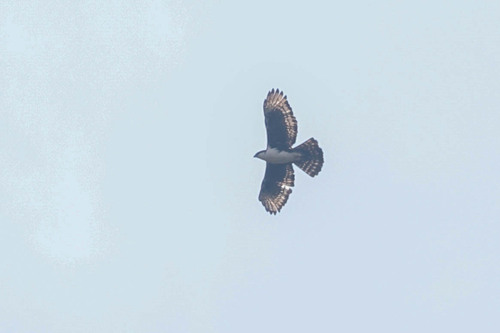 Cassin's Hawk-Eagle
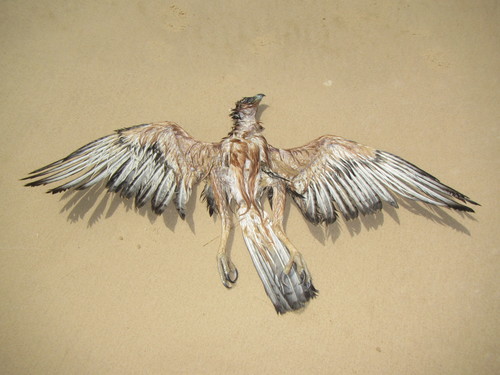 African Hawk-Eagle
In breve
Il modo più affidabile per separare Cassin's Hawk-Eagle da African Hawk-Eagle è concentrarsi sui modelli specifici per età delle ali e del corpo in volo: i giovani Cassin's mostrano copritrici delle ali chiare e pesanti macchie nere sul ventre, mentre i giovani African Hawk-Eagle hanno parti inferiori fulve-rossicce con solo striature deboli o assenti. Gli adulti differiscono nella densità e nel tipo di marcature delle parti inferiori e nel modello della parte superiore dell'ala e della coda. Strutturalmente, African Hawk-Eagle è la specie più grande, con collo più lungo e zampe più lunghe, che appare spesso più robusta e con una testa più sporgente. L'habitat può anche essere un indizio: Cassin's è uno specialista segreto della densa foresta pluviale primaria, mentre African Hawk-Eagle è più spesso visto in habitat aperti o ai margini. La voce non è descritta nelle note, quindi i segni visivi sono fondamentali.
Consigli di identificazione
- Modello delle ali dei giovani: In volo, il giovane Cassin's Hawk-Eagle mostra copritrici delle ali chiare, mentre il giovane African Hawk-Eagle non ha questo e invece ha un'ala e parti inferiori fulve-rossicce. Questo è uno dei migliori segni per gli immaturi.
- Macchie delle parti inferiori dei giovani: Il giovane Cassin's ha macchie nere dense sul ventre e sui fianchi; i giovani African Hawk-Eagle hanno poche o nessuna striatura, di solito solo deboli striature nere sul fusto dei fianchi.
- Marcature delle parti inferiori degli adulti: L'adulto Cassin's è bianco sotto con macchie nere lungo i lati del petto inferiore (a volte tutto bianco); l'adulto African Hawk-Eagle è bianco sotto con piccole striature nere sparse a forma di goccia, più dense nelle femmine.
- Copritrici delle ali degli adulti: In volo, l'adulto Cassin's ha copritrici delle ali scure e una banda nera lungo il bordo posteriore dell'ala; gli adulti African Hawk-Eagle mostrano bordi neri e una finestra grigia chiara alla base delle primarie sopra, oltre a marcature diagonali nere solide sulle copritrici maggiori sotto.
- Modello della coda: Entrambi hanno una larga banda subterminale, ma la coda di Cassin's è marrone con tre barre nere e una larga banda subterminale nera; la coda di African Hawk-Eagle è grigia con sottili barre scure e una larga banda subterminale, con una punta bianca.
- Struttura della testa e del collo: African Hawk-Eagle ha un collo più lungo e una testa più sporgente, con un becco prominente; Cassin's è più compatto con un collo più corto e un becco meno pronunciato.
- Zampe e piedi: African Hawk-Eagle ha zampe più lunghe e più slanciate e piedi più grandi e robusti; le zampe di Cassin's sono più corte e l'uccello appare complessivamente meno slanciato.
- Impressione di dimensione: African Hawk-Eagle è visibilmente più grande e robusto di Cassin's, sia in perching che in volo.
- Modello della parte superiore dell'ala (adulto): Gli adulti African Hawk-Eagle mostrano una finestra chiara alla base delle primarie dall'alto, non presente in Cassin's.
- Aspetto in perching: African Hawk-Eagle può posarsi più apertamente o più in basso sugli alberi, con un collo e zampe più lunghi visibili; Cassin's è raramente visto posato se non in alto nella densa chioma, e appare più compatto.
- Colore degli occhi: L'adulto Cassin's ha occhi giallo-bruni; l'adulto African Hawk-Eagle ha occhi gialli ricchi. I giovani di entrambi hanno occhi più bruni ma questo è sottile a distanza.
- Contesto dell'habitat: La densa e matura foresta pluviale favorisce fortemente Cassin's; la foresta aperta, il margine o la savana favoriscono African Hawk-Eagle.
- Dimorfismo sessuale nelle marcature delle parti inferiori: In African Hawk-Eagle, le femmine sono più densamente marcate sotto rispetto ai maschi; Cassin's mostra meno differenza sessuale nel modello delle parti inferiori.
- Piumaggi di transizione: Entrambe le specie impiegano diversi anni per maturare; gli uccelli intermedi possono essere confusi, ma gli immaturi di Cassin's diventano più neri sopra e più bianchi sotto, mentre gli immaturi di African Hawk-Eagle scuriscono sopra e diventano più striati sotto.
- Indizi comportamentali: Cassin's è estremamente segreto e raramente visto se non mentre vola sopra la foresta; African Hawk-Eagle è più probabile che venga visto posato o volare in habitat aperti o ai margini.
Taglia
African Hawk-Eagle è il più grande e robusto dei due, con un collo più lungo, zampe più lunghe e più slanciate e piedi più grandi. Cassin's Hawk-Eagle è relativamente piccolo per un Aquila, con ali più corte e arrotondate e una coda proporzionalmente più lunga e arrotondata. Entrambe le specie hanno zampe piumate (aquile con stivali), ma le dimensioni e la struttura di African Hawk-Eagle sono visibilmente più potenti ed allungate, specialmente nelle zampe e nel collo. In confronto diretto, Cassin's apparirà più compatto e meno con un becco pesante.
Piumaggio
- Volo giovanile/immaturo: Il giovane Cassin's Hawk-Eagle mostra copritrici delle ali chiare e dense macchie nere sul ventre e sui fianchi, con una testa marrone o rossiccia e una coda grigia scura con punta bianca e barre scure. Il giovane African Hawk-Eagle, al contrario, ha parti inferiori fulve-rossicce con solo deboli o assenti striature nere (di solito solo sui fianchi), un lato superiore di un marrone moderatamente scuro con bordi chiari, e una coda più chiaramente barrata rispetto all'adulto.
- Volo adulto: L'adulto Cassin's Hawk-Eagle è marrone scuro sopra con macchie bianche, una coda marrone con tre barre nere e una larga banda subterminale nera, e parti inferiori che sono tutte bianche o bianche con macchie nere lungo i lati del petto inferiore. In volo, gli adulti mostrano copritrici delle ali scure e una banda nera lungo il bordo posteriore dell'ala. L'adulto African Hawk-Eagle è grigio-nero sopra con ampie macchie bianche, una coda grigia lunga con sottili barre scure e una larga banda subterminale, e parti inferiori bianche con piccole striature nere sparse a forma di goccia (più dense nelle femmine). In volo, gli adulti mostrano una significativa finestra grigia chiara alla base delle primarie sopra, bordi neri e marcature diagonali nere solide sulle copritrici maggiori sotto.
- Transizione all'adulto: Entrambe le specie impiegano diversi anni per raggiungere il piumaggio adulto completo, con Cassin's che diventa più nero sopra e più bianco sotto, e African Hawk-Eagle che scurisce sopra e diventa più striato sotto man mano che matura.
Comportamento
Cassin's Hawk-Eagle è altamente segreto e raramente visto se non mentre vola sopra la chioma della foresta; è quasi mai posato in aperto ed è difficile da osservare a causa della sua preferenza per la densa foresta pluviale primaria. African Hawk-Eagle, pur essendo spesso posato tra il fogliame, è più probabile che venga visto posato in aperto o più in basso in alberi alti, ed è generalmente più evidente in habitat aperti o ai margini. In volo, African Hawk-Eagle mostra battiti d'ala potenti e superficiali e una testa e un collo ben sporgenti, mentre Cassin's appare più compatto e arrotondato.
Habitat
Cassin's Hawk-Eagle è uno specialista rigoroso della foresta pluviale primaria nell'Africa occidentale, centrale e marginalmente orientale, ed è quasi sempre associato a foreste dense e mature. African Hawk-Eagle non è descritto in dettaglio qui, ma è noto per occorrere in habitat più aperti, margini boschivi e regioni di savana, ed è meno legato alla foresta profonda. Se visto in una densa foresta pluviale ininterrotta, Cassin's è molto più probabile; in habitat più aperti o ai margini, African Hawk-Eagle è la norma.
Cassin's Hawk-Eagle · African Hawk-Eagle · I miei uccelli difficili