

buller's shearwater vs atobá-de-pé-vermelho
Ardenna bulleri versus Sula sula
Jogue um quiz com buller's shearwater e atobá-de-pé-vermelho
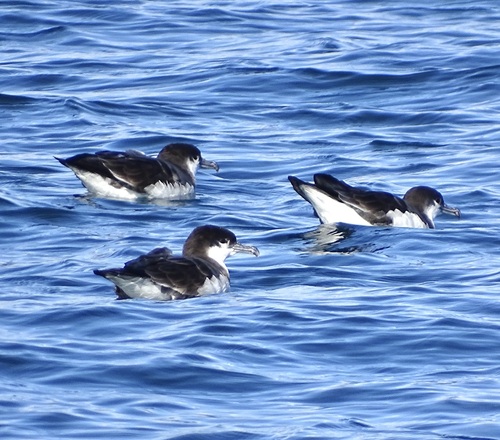 buller's shearwater
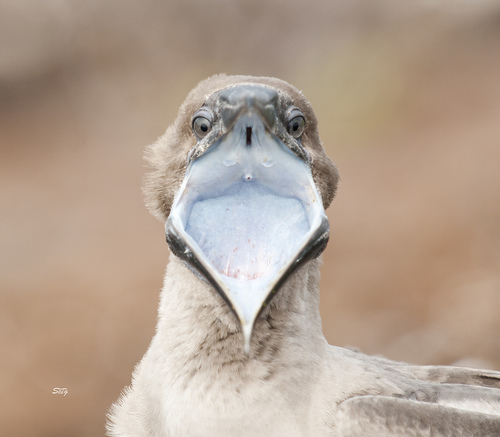 atobá-de-pé-vermelho
Em resumo
A marca de campo mais confiável para separar buller's shearwater do atobá-de-pé-vermelho é o padrão distinto da asa superior em voo: buller's shearwater de todas as idades apresenta um impressionante 'M' preto quebrado nas asas superiores azuladas, enquanto o atobá-de-pé-vermelho (independentemente da morfologia ou idade) nunca apresenta esse padrão e, em vez disso, tem asas lisas ou bicolores dependendo da morfologia. Buller's shearwater é um atobá de médio a grande porte, com uma cauda em forma de cunha e bico escuro, sempre parecendo mais esbelto e ágil em voo em comparação com o atobá-de-pé-vermelho, que é mais robusto, de pescoço longo e bico grande. O atobá-de-pé-vermelho é muito mais pesado e volumoso, com pés vermelhos inconfundíveis em adultos e uma variedade de morfologias de plumagem, mas nunca o nítido 'M' de buller's. Se você ver uma ave marinha com um ousado 'M' na asa superior, é buller's shearwater; se você ver pés vermelhos ou uma ave empoleirada em árvores, é o atobá-de-pé-vermelho.
Dicas de identificação
- Padrão da asa superior em voo (todas as idades): Buller's shearwater apresenta um ousado 'M' preto quebrado nas asas superiores azuladas, com primárias e terciárias pretas separadas por um painel cinza claro. Nenhuma morfologia ou idade do atobá-de-pé-vermelho apresenta esse padrão; suas asas são lisas ou bicolores, dependendo da morfologia.
- Pés vermelhos (adultos): Apenas o atobá-de-pé-vermelho tem pés vermelhos brilhantes como adulto. Buller's shearwater tem pernas e pés escuros.
- Cor do bico: Buller's shearwater tem um bico escuro; o atobá-de-pé-vermelho tem um bico rosa e azul e bolsa na garganta em adultos.
- Formato da cauda: Buller's shearwater tem uma cauda em forma de cunha e escura; a cauda do atobá-de-pé-vermelho varia com a morfologia (preta ou branca), mas nunca é em forma de cunha.
- Estrutura do corpo: Buller's shearwater é esbelto, com asas longas e aerodinâmicas, com uma cabeça relativamente pequena e pescoço curto. O atobá-de-pé-vermelho é mais volumoso, com um pescoço mais longo, peito mais profundo e um bico grande e grosso.
- Estilo de voo: Buller's shearwater desliza baixo sobre as ondas com batidas de asa rápidas e rígidas e longos deslizamentos. O atobá-de-pé-vermelho voa mais alto, com batidas de asa mais lentas e profundas, e é desajeitado na decolagem e aterrissagem.
- Comportamento de empoleiramento: O atobá-de-pé-vermelho frequentemente se empoleira em árvores ou em galhos, especialmente em colônias de reprodução. Buller's shearwater nunca é visto empoleirado acima do nível do solo.
- Variação de plumagem: O atobá-de-pé-vermelho vem em várias morfologias (branca, marrom, mista), mas nenhuma tem o 'M' azul-cinza e preto de buller's. Os atobás juvenis são marrons com asas escuras e pernas pálidas, sem qualquer padrão de asa ousado.
- Partes inferiores: Buller's shearwater tem partes inferiores brancas brilhantes com um contraste nítido com as partes superiores cinzas. As partes inferiores do atobá-de-pé-vermelho variam com a morfologia, mas nunca são tão brancas embaixo com um boné cinza quanto as de buller's.
- Padrão da cabeça: Buller's shearwater apresenta um boné cinza até o olho e bochechas brancas; a cor da cabeça do atobá-de-pé-vermelho varia, mas nunca corresponde a esse padrão.
- Tamanho em bandos mistos: Se vistos juntos, o atobá-de-pé-vermelho é muito maior e mais volumoso do que o buller's shearwater.
- Tamanho e formato do bico: Buller's tem um bico fino e escuro de atobá; o bico do atobá-de-pé-vermelho é longo, grosso e colorido.
- Contexto de habitat: Uma ave marinha vista empoleirada em uma árvore ou em um galho é um atobá-de-pé-vermelho; buller's shearwater nunca se empoleira acima do solo.
- Confusão juvenil: O juvenil de buller's shearwater já apresenta o padrão de asa adulto; o juvenil do atobá-de-pé-vermelho é marron com nenhuma 'M' na asa e pernas pálidas e rosadas.
- Comportamento alimentar: Buller's shearwater pega comida da superfície ou logo abaixo, raramente mergulhando; o atobá-de-pé-vermelho mergulha de altura.
Tamanho
O atobá-de-pé-vermelho é substancialmente maior e mais volumoso do que o buller's shearwater. O buller's adulto pesa em média cerca de 325–425 g, mede 46–47 cm de comprimento e tem uma envergadura de 97–99 cm. O atobá-de-pé-vermelho pesa quase 1 kg (998 g), mede cerca de 70 cm de comprimento e tem uma envergadura de até 152 cm. No campo, isso significa que o atobá-de-pé-vermelho parece muito mais corpulento, com um peito mais profundo e pescoço mais longo, enquanto o buller's shearwater é mais aerodinâmico e esbelto. O tamanho sozinho pode ser enganoso à distância, mas em bandos mistos ou vistas próximas, o volume e as asas mais longas do atobá são evidentes.
Plumagem
A diferença de plumagem mais diagnóstica está no padrão da asa superior visto em voo. Buller's shearwater (todas as idades, incluindo juvenis já voando) apresenta um 'M' preto quebrado único nas asas superiores azuladas: uma faixa escura se estende das terciárias até as coberturas primárias, com primárias pretas, mas as duas áreas pretas são separadas por um painel cinza claro (às vezes quase branco), criando o efeito 'M'. As partes inferiores são brancas brilhantes, e a cabeça apresenta um boné cinza até o olho, com bochechas brancas. A cauda é em forma de cunha e escura. O atobá-de-pé-vermelho, independentemente da morfologia, nunca apresenta esse padrão 'M'. Em vez disso, a morfologia branca é principalmente branca com penas de voo pretas, a morfologia marrom é totalmente marrom, e morfologias intermediárias misturam marrom e branco em várias combinações. Todos os adultos de atobá-de-pé-vermelho têm pés vermelhos, e o bico é rosa e azul. Os atobás juvenis são marrons com asas mais escuras e pernas pálidas, sem qualquer padrão 'M'. Nenhuma morfologia ou idade do atobá-de-pé-vermelho apresenta a asa superior nítida e contrastante de buller's shearwater.
Comportamento
Buller's shearwater é um atobá clássico, raramente empoleirando-se, sempre visto voando baixo sobre o oceano com um voo flutuante e deslizante intercalado com curtas explosões de batidas de asa. Ele não mergulha do voo e se alimenta principalmente pegando presas na superfície ou logo abaixo. O atobá-de-pé-vermelho é um voador poderoso, mas menos gracioso, frequentemente visto planando alto, e é notavelmente desajeitado ao decolar ou pousar. Os atobás são frequentemente vistos empoleirados em árvores ou em galhos, às vezes em grandes colônias, o que buller's shearwater nunca faz. O atobá-de-pé-vermelho se alimenta mergulhando para pegar peixes e é mais provável de ser visto mergulhando de altura.
Habitat
Buller's shearwater é estritamente pelágico, geralmente visto bem longe da costa, especialmente no Pacífico, da Nova Zelândia até a costa oeste das Américas, e raramente se aproxima da terra, exceto em colônias de reprodução. O atobá-de-pé-vermelho também é pelágico, mas é mais provável de ser visto perto de ilhas tropicais e costas, e é único entre os atobás por nidificar e empoleirar-se em árvores. Se você ver uma ave marinha empoleirada em uma árvore ou em um galho, é um atobá-de-pé-vermelho, não um buller's shearwater. Ambas as espécies podem ser vistas longe da terra, mas o atobá está mais ligado a ilhas tropicais.
buller's shearwater · atobá-de-pé-vermelho · Minhas aves difíceis