

Motmot

ミナミオナガミズナギドリ 対 アカアシカツオドリ

Ardenna bulleri 対 Sula sula

ミナミオナガミズナギドリとアカアシカツオドリのクイズ
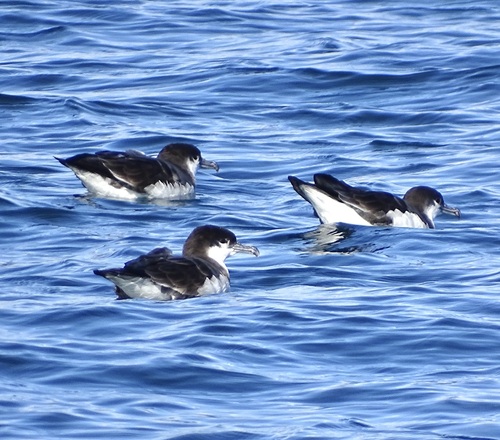
ミナミオナガミズナギドリ (Ardenna bulleri) ミナミオナガミズナギドリ
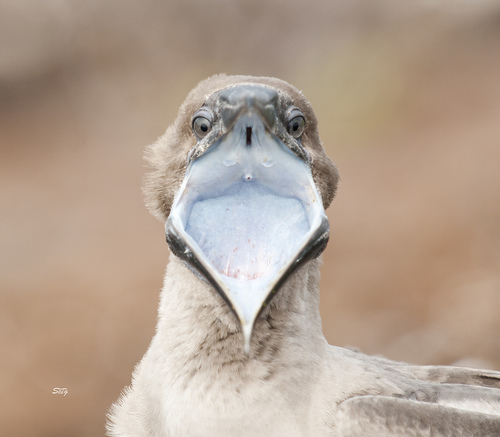
アカアシカツオドリ (Sula sula) アカアシカツオドリ

メディア

読み込み中…

要点

ミナミオナガミズナギドリとアカアシカツオドリを区別する最も信頼できるフィールドマークは、飛行中の特徴的な上翼パターンです:すべての年齢のミナミオナガミズナギドリは、青灰色の上翼にわたって目を引く壊れた黒の'M'を示しますが、アカアシカツオドリ(形態や年齢に関係なく)はこのパターンを示さず、代わりに形態に応じて無地または二色の翼を持っています。ミナミオナガミズナギドリは、くさび形の尾と暗いくちばしを持つ流線型の中型から大型のミズナギドリで、常により細く、敏捷に飛行しているように見えますが、アカアシカツオドリはずんぐりしていて、長い首と大きなくちばしを持ち、はっきりとした赤い足を持つ成鳥が特徴です。アカアシカツオドリははるかに重く、かさばり、成鳥には間違いなく赤い足があり、さまざまな羽毛形態がありますが、Buller'sの鮮明な'M'は決してありません。上翼に大胆な'M'がある海鳥を見たら、それはミナミオナガミズナギドリです。赤い足や木に止まっている鳥を見たら、それはアカアシカツオドリです。

識別のコツ

  1. Upperwing pattern in flight (all ages): ミナミオナガミズナギドリは、青灰色の上翼にわたって大胆で壊れた黒の'M'を示し、黒の初列風切羽と三次風切羽が淡い灰色のパネルで分けられています。アカアシカツオドリの形態や年齢はこのパターンを示すことはなく、彼らの翼は無地または二色です。
  2. Red feet (adults): 成鳥のアカアシカツオドリだけが明るい赤い足を持っています。ミナミオナガミズナギドリは暗い足と足を持っています。
  3. Bill color: ミナミオナガミズナギドリは暗いくちばしを持ち、アカアシカツオドリは成鳥のピンクと青のくちばしと喉の袋を持っています。
  4. Tail shape: ミナミオナガミズナギドリはくさび形の黒っぽい尾を持ち、アカアシカツオドリの尾は形態によって異なります(黒または白)が、決してくさび形ではありません。
  5. Body structure: ミナミオナガミズナギドリは細長く、長い翼を持ち、流線型で、比較的小さな頭と短い首を持っています。アカアシカツオドリはずんぐりしていて、長い首、深い胸、大きくて厚いくちばしを持っています。
  6. Flight style: ミナミオナガミズナギドリは波の上を低く滑空し、速くて硬い翼の拍動と長い滑空を交互に行います。アカアシカツオドリは高く舞い上がり、遅くて深い翼の拍動を持ち、離陸や着陸時に不器用です。
  7. Perching behavior: アカアシカツオドリは木や枝に止まることが多く、特に繁殖コロニーで見られます。ミナミオナガミズナギドリは地面の上に止まっているのは決して見られません。
  8. Plumage variation: アカアシカツオドリは複数の形態(白、茶色、混合)がありますが、どれもBuller'sの青灰色と黒の'M'を持っていません。幼鳥のカツオドリは茶色がかっていて、暗い翼と淡い足を持ち、目立つ翼のパターンはありません。
  9. Underparts: ミナミオナガミズナギドリは明るい白い下部を持ち、灰色の上部との鋭いコントラストがあります。アカアシカツオドリの下部は形態によって異なりますが、Buller'sのように灰色のキャップを持つ下部が鮮明な白ではありません。
  10. Head pattern: ミナミオナガミズナギドリは目の下まで灰色のキャップと白い頬を示します。アカアシカツオドリの頭の色は異なりますが、このパターンには決して一致しません。
  11. Size in mixed flocks: 一緒に見られる場合、アカアシカツオドリはミナミオナガミズナギドリよりもはるかに大きく、かさばります。
  12. Bill size and shape: Buller'sは細くて暗いミズナギドリのくちばしを持っています。アカアシカツオドリのくちばしは長く、厚く、色がついています。
  13. Habitat context: 木や枝に止まっている海鳥はアカアシカツオドリです。ミナミオナガミズナギドリは地面の上に止まることはありません。
  14. Juvenile confusion: 幼鳥のミナミオナガミズナギドリはすでに成鳥の翼のパターンを示しています。幼鳥のアカアシカツオドリは茶色がかっていて、翼に'M'がなく、淡いピンクの足を持っています。
  15. Feeding behavior: ミナミオナガミズナギドリは表面またはその直下から食べ物を拾い、めったに潜水しません。アカアシカツオドリは高いところから急降下して魚を捕ります。

大きさ

アカアシカツオドリはミナミオナガミズナギドリよりもかなり大きく、かさばります。成鳥のBuller'sは平均して約325〜425gの質量、46〜47cmの長さ、97〜99cmの翼幅です。アカアシカツオドリは平均してほぼ1kg(998g)で、約70cmの長さがあり、翼幅は最大152cmです。フィールドでは、これはアカアシカツオドリがはるかに重い体を持ち、深い胸と長い首を持っているように見えることを意味し、ミナミオナガミズナギドリはより流線型で細長いです。サイズだけでは遠くからは誤解を招くことがありますが、混合した群れや近くから見ると、カツオドリの体重と長い翼が明らかになります。

羽色

最も診断的な羽毛の違いは、飛行中に見られる上翼のパターンにあります。ミナミオナガミズナギドリ(すべての年齢、巣立った幼鳥を含む)は、青灰色の上翼にわたって独特の壊れた黒の'M'を示します:黒っぽいストライプが三次風切羽から初列風切羽の覆い羽まで走り、黒の初列風切羽がありますが、2つの黒い領域は淡い灰色(時にはほぼ白)パネルで分けられ、'M'効果を生み出します。下部は明るい白で、頭は目の下まで灰色のキャップを示し、白い頬を持っています。尾はくさび形で黒っぽいです。アカアシカツオドリは、形態に関係なく、この'M'パターンを決して示しません。代わりに、白い形態は主に白で黒い飛行羽を持ち、茶色の形態は全体が茶色で、中間の形態はさまざまな組み合わせで茶色と白を混ぜています。すべての成鳥のアカアシカツオドリは赤い足を持ち、くちばしはピンクと青です。幼鳥のカツオドリは茶色がかっていて、暗い翼と淡いピンクの足を持ち、'M'パターンはありません。アカアシカツオドリの形態や年齢は、ミナミオナガミズナギドリの鮮明で対照的な上翼を示しません。

行動

ミナミオナガミズナギドリは典型的なミズナギドリで、めったに止まらず、常に海の上を低く飛んでいるのが見られ、浮遊する滑空飛行と短い羽ばたきの間に交互に行います。飛行中に潜水せず、主に表面で獲物を捕まえることで餌を取ります。アカアシカツオドリは力強いが優雅さに欠ける飛行者で、高く舞い上がるのがよく見られ、離陸や着陸時に特に不器用です。カツオドリは木や枝に止まっているのが頻繁に見られ、大きなコロニーで見られることもありますが、ミナミオナガミズナギドリは決してそうしません。アカアシカツオドリは魚を急降下して捕ることで餌を取り、高いところから潜水しているのが見られることが多いです。

生息環境

ミナミオナガミズナギドリは厳密に外洋性で、通常は沖合で見られ、特にニュージーランドからアメリカの西海岸までの太平洋で見られ、繁殖コロニーを除いてはほとんど陸に近づきません。アカアシカツオドリも外洋性ですが、熱帯の島や海岸の近くで見られる可能性が高く、カツオドリの中で木に巣を作り、止まることができるのはユニークです。木や枝に止まっている海鳥を見たら、それはアカアシカツオドリであり、ミナミオナガミズナギドリではありません。両種は陸から遠くで見られることがありますが、カツオドリは熱帯の島により結びついています。

より良い説明を送る

比較と同じ項目を使ってください。文章はすぐに公開されます。

The most reliable field mark to separate Buller's Shearwater from Red-footed Booby is the distinctive upperwing pattern in flight: Buller's Shearwater of all ages shows a striking, broken black 'M' across bluish-grey upperwings, while Red-footed Booby (regardless of morph or age) never shows this pattern and instead has plain or two-toned wings depending on morph. Buller's Shearwater is a streamlined, medium-large shearwater with a wedge-shaped tail and dark bill, always appearing more slender and agile in flight compared to the chunkier, long-necked, and big-billed Red-footed Booby. Red-footed Booby is much heavier and bulkier, with unmistakable red feet in adults and a variety of plumage morphs, but never the crisp 'M' of Buller's. If you see a seabird with a bold 'M' on the upperwing, it's Buller's Shearwater; if you see red feet or a bird perching in trees, it's Red-footed Booby.

  1. Upperwing pattern in flight (all ages): Buller's Shearwater shows a bold, broken black 'M' across bluish-grey upperwings, with black primaries and tertials separated by a pale grey panel. No Red-footed Booby morph or age ever shows this pattern; their wings are plain or two-toned, depending on morph.
  2. Red feet (adults): Only Red-footed Booby has bright red feet as an adult. Buller's Shearwater has dark legs and feet.
  3. Bill color: Buller's Shearwater has a dark bill; Red-footed Booby has a pink and blue bill and throat pouch in adults.
  4. Tail shape: Buller's Shearwater has a wedge-shaped, blackish tail; Red-footed Booby's tail varies with morph (black or white) but is never wedge-shaped.
  5. Body structure: Buller's Shearwater is slender, long-winged, and streamlined, with a relatively small head and short neck. Red-footed Booby is bulkier, with a longer neck, deeper chest, and a large, thick bill.
  6. Flight style: Buller's Shearwater glides low over waves with quick, stiff wingbeats and long glides. Red-footed Booby soars higher, with slower, deeper wingbeats, and is clumsy at takeoff and landing.
  7. Perching behavior: Red-footed Booby often perches in trees or on branches, especially at breeding colonies. Buller's Shearwater is never seen perching above ground level.
  8. Plumage variation: Red-footed Booby comes in several morphs (white, brown, mixed), but none have the bluish-grey and black 'M' of Buller's. Juvenile boobies are brownish with dark wings and pale legs, lacking any bold wing pattern.
  9. Underparts: Buller's Shearwater has bright white underparts with a sharp contrast to the grey upperparts. Red-footed Booby's underparts vary by morph but are never as crisply white below with a grey cap as Buller's.
  10. Head pattern: Buller's Shearwater shows a grey cap down to the eye and white cheeks; Red-footed Booby's head color varies but never matches this pattern.
  11. Size in mixed flocks: If seen together, Red-footed Booby is much larger and bulkier than Buller's Shearwater.
  12. Bill size and shape: Buller's has a fine, dark, shearwater bill; Red-footed Booby's bill is long, thick, and colored.
  13. Habitat context: A seabird seen perched in a tree or on a branch is a Red-footed Booby; Buller's Shearwater never perches above ground.
  14. Juvenile confusion: Juvenile Buller's Shearwater already shows the adult wing pattern; juvenile Red-footed Booby is brownish with no 'M' on the wing and pale pinkish legs.
  15. Feeding behavior: Buller's Shearwater picks food from the surface or just below, rarely diving; Red-footed Booby plunge-dives from height.

Red-footed Booby is substantially larger and bulkier than Buller's Shearwater. Adult Buller's averages about 325–425 g in mass, 46–47 cm in length, and 97–99 cm wingspan. Red-footed Booby averages nearly 1 kg (998 g), is about 70 cm long, and has a wingspan up to 152 cm. In the field, this means Red-footed Booby looks much heavier-bodied, with a deeper chest and longer neck, while Buller's Shearwater is more streamlined and slender. Size alone can be misleading at a distance, but in mixed flocks or close views, the booby's bulk and longer wings are evident.

The most diagnostic plumage difference is in the upperwing pattern seen in flight. Buller's Shearwater (all ages, including fledged juveniles) shows a unique, broken black 'M' across the bluish-grey upperwings: a blackish stripe runs from the tertials to the primary coverts, with black primaries, but the two black areas are separated by a pale grey (sometimes almost white) panel, creating the 'M' effect. The underparts are bright white, and the head shows a grey cap down to the eye, with white cheeks. The tail is wedge-shaped and blackish. Red-footed Booby, regardless of morph, never shows this 'M' pattern. Instead, the white morph is mostly white with black flight feathers, the brown morph is overall brown, and intermediate morphs mix brown and white in various combinations. All adult Red-footed Boobies have red feet, and the bill is pink and blue. Juvenile boobies are brownish with darker wings and pale pinkish legs, lacking any 'M' pattern. No Red-footed Booby morph or age shows the crisp, contrasting upperwing of Buller's Shearwater.

Buller's Shearwater is a classic shearwater, rarely perching, always seen flying low over the ocean with buoyant, gliding flight interspersed with short bursts of flapping. It does not dive from flight and feeds mostly by snatching prey at or just below the surface. Red-footed Booby is a powerful but less graceful flier, often seen soaring high, and is notably clumsy when taking off or landing. Boobies are frequently seen perched in trees or on branches, sometimes in large colonies, which Buller's Shearwater never does. Red-footed Booby forages by plunge-diving for fish and is more likely to be seen diving from height.

Buller's Shearwater is strictly pelagic, usually seen well offshore, especially in the Pacific from New Zealand to the west coast of the Americas, and rarely comes close to land except at breeding colonies. Red-footed Booby is also pelagic but is more likely to be seen near tropical islands and coasts, and is unique among boobies for nesting and perching in trees. If you see a seabird perched in a tree or on a branch, it is a Red-footed Booby, not a Buller's Shearwater. Both species may be seen far from land, but the booby is more tied to tropical islands.

変更を破棄しますか?

保存していない編集があります。今離れると失われます。

ミナミオナガミズナギドリ · アカアシカツオドリ · 苦手な鳥