

buffy hummingbird vs tumbes hummingbird
Leucippus fallax versus Thaumasius baeri
Jogue um quiz com buffy hummingbird e tumbes hummingbird
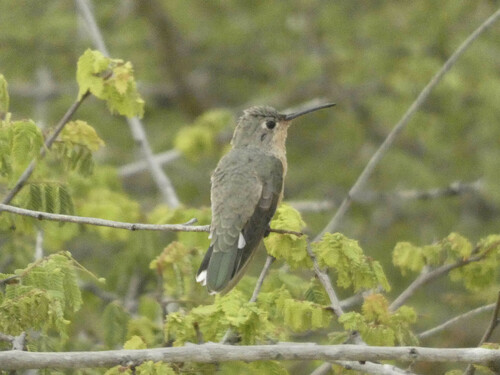 buffy hummingbird
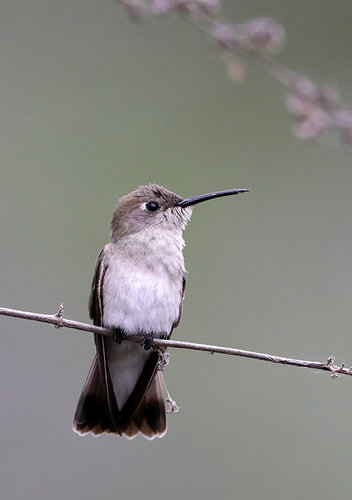 tumbes hummingbird
Em resumo
A marca de campo mais confiável para separar o buffy hummingbird do tumbes hummingbird é a cor das partes inferiores: o buffy hummingbird apresenta uma distinta coloração canela-clara abaixo, enquanto o tumbes hummingbird é cinza-claro a branco por baixo. Ambas as espécies são semelhantes em tamanho e estrutura, mas o buffy hummingbird tem uma mancha branca atrás do olho e uma mandíbula inferior mais pálida em contraste, enquanto o bico do tumbes hummingbird é completamente preto. O padrão da cauda também ajuda: a cauda do buffy hummingbird é verde opaca com uma barra cinza e ponta arredondada, enquanto a cauda do tumbes hummingbird é verde pálido com uma faixa cinza escura e pontas esbranquiçadas ou acinzentadas. Essas diferenças são visíveis tanto em aves empoleiradas quanto em voo, mas a cor das partes inferiores e o padrão do bico são os mais consistentes em campo.
Dicas de identificação
- Cor das partes inferiores: O buffy hummingbird sempre apresenta partes inferiores canela-clara, um tom quente que se destaca contra as partes inferiores frias cinza-claro ou brancas do tumbes hummingbird. Esta é a marca de campo mais consistente para todas as idades e sexos.
- Mancha pós-ocular: Procure uma distinta mancha branca atrás do olho no buffy hummingbird; o tumbes hummingbird não possui essa marca. Isso é visível em boa luz a curta distância, especialmente em aves empoleiradas.
- Cor do bico: O buffy hummingbird tem um bico bicolor: mandíbula superior preta e mandíbula inferior pálida com ponta preta. O bico do tumbes hummingbird é completamente preto. Isso é diagnóstico a curta distância ou em fotos.
- Padrão da cauda: A cauda do buffy hummingbird é verde opaca com uma barra cinza e uma ponta arredondada. A cauda do tumbes hummingbird é verde pálido, com penas internas mostrando pontas bronzeadas e penas externas com uma faixa cinza escura perto da extremidade e pontas pálidas (esbranquiçadas ou acinzentadas). As diferenças na cauda são sutis, mas podem ser vistas quando a cauda está aberta.
- Cor das partes superiores: O buffy hummingbird tem partes superiores verde opacas, enquanto o tumbes hummingbird é mais pálido e mais verde-dourado acima. Esta é uma marca de apoio, melhor utilizada em combinação com a cor das partes inferiores.
- Barriga e coberturas da cauda: A barriga e as coberturas da cauda do buffy hummingbird são brancas, contrastando com o peito canela. A barriga do tumbes hummingbird é branca, mas a transição do peito cinza é mais gradual e carece do tom canela.
- Diferenças sexuais: Ambas as espécies mostram dimorfismo sexual mínimo, mas as fêmeas do buffy hummingbird são menos brilhantes. Não confie no sexo para separação.
- Diferenças de idade: Nenhuma marca distintiva de juvenil ou imaturo nas asas ou padrões de voo é descrita para qualquer uma das espécies, portanto, a idade não complica a separação.
- Contexto de habitat: O buffy hummingbird é mais provável de ser encontrado em arbustos secos ricos em cactos no norte da América do Sul; o tumbes hummingbird é restrito ao Equador e ao Peru. Use a distribuição e o habitat como contexto de apoio.
- Comportamento alimentar: Se visto se alimentando da polpa ou suco de frutos de cacto, é mais provável que seja o buffy hummingbird, pois esse comportamento não é notado para o tumbes hummingbird.
- Empoleirado vs. em voo: Todas as principais marcas de campo (cor das partes inferiores, padrão do bico, mancha pós-ocular, padrão da cauda) são visíveis em aves empoleiradas. Em voo, a cor das partes inferiores e o padrão da cauda são os mais úteis.
- Tamanho: Ambas as espécies são semelhantes em tamanho; não use comprimento ou peso geral como separador em campo.
- Voz: Nenhuma diferença vocal diagnóstica é descrita; não use a voz para separação.
- Armadilhas: Cuidado com os efeitos da iluminação na cor das partes inferiores—o tom canela do buffy hummingbird pode parecer mais pálido em luz intensa, mas ainda deve contrastar com o cinza-frio do tumbes hummingbird. A mancha pós-ocular no buffy hummingbird é uma boa reserva se a cor das partes inferiores for ambígua.
- Contexto do questionário: Se você encontrar um beija-flor com uma coloração canela abaixo e uma mancha branca atrás do olho, é o buffy hummingbird. Se as partes inferiores forem cinza-claro-branco frio sem mancha ocular e o bico for todo preto, é o tumbes hummingbird.
Tamanho
Ambas as espécies são muito semelhantes em tamanho, com o buffy hummingbird medindo 8,5–9 cm de comprimento e o tumbes hummingbird variando de 8 a 11 cm. O tumbes hummingbird pode parecer ligeiramente mais longo na extremidade superior de sua faixa, mas há uma sobreposição significativa, e o tamanho sozinho não é um separador confiável. Ambos são típicos beija-flores pequenos e não devem ser separados por volume ou comprimento em campo. [wikipedia][avonet]
Plumagem
- Plumagem juvenil/imatura: Nenhuma diferença específica relacionada à idade nas asas ou padrões de voo é descrita para qualquer uma das espécies, portanto, a separação depende da plumagem do corpo e da cauda em todas as idades.
- Buffy Hummingbird: Ambos os sexos são semelhantes, mas as fêmeas são menos brilhantes. As costas e as partes superiores são verde opacas, as partes inferiores são canela-clara, a barriga e as coberturas da cauda são brancas. A cauda é verde opaca com uma barra cinza transversal e ponta arredondada. Notável mancha branca atrás do olho. O bico é reto, a mandíbula superior é preta, a mandíbula inferior é pálida com ponta preta. [wikipedia]
- Tumbes Hummingbird: Ambos os sexos são iguais. As partes superiores são verde dourado pálido, as partes inferiores são cinza-claro tornando-se brancas na barriga. A cauda é verde pálido; as penas internas têm pontas bronzeadas, as penas externas têm uma faixa cinza escura perto da extremidade e pontas que são esbranquiçadas (macho) ou acinzentadas (fêmea). O bico é quase reto e completamente preto. Nenhuma menção a uma mancha pós-ocular. [wikipedia]
- Principais contrastes: O buffy hummingbird mostra uma coloração canela quente abaixo e uma mancha pós-ocular branca, enquanto o tumbes hummingbird é cinza-claro-frio abaixo e não possui a mancha ocular. A cauda do buffy é verde opaca com uma barra cinza e ponta arredondada; a cauda do tumbes é verde pálido com uma faixa cinza e pontas pálidas.
Comportamento
Ambas as espécies se alimentam de néctar e pequenos artrópodes, muitas vezes defendendo áreas de flores. O buffy hummingbird é conhecido por se alimentar da polpa e suco de frutos de cacto, o que é incomum entre os beija-flores. O tumbes hummingbird forrageia do sub-bosque até as camadas médias, mas comportamentos específicos de forrageamento não são detalhados. Em campo, ambos podem ser vistos pairando em flores ou atacando insetos, mas o buffy hummingbird pode ser visto mais frequentemente em cactos. [wikipedia]
Habitat
O buffy hummingbird habita florestas secas e áreas de arbustos no norte da América do Sul, frequentemente associado a cactos. O tumbes hummingbird é encontrado no Equador e no Peru, também em habitats secos, mas com uma faixa limitada à região de Tumbes. Embora ambos prefiram ambientes áridos ou semiáridos, a faixa do buffy está mais ao norte e mais intimamente ligada a paisagens dominadas por cactos. [wikipedia][ebird]
buffy hummingbird · tumbes hummingbird · Minhas aves difíceis