

Buffy Hummingbird vs Tumbes Hummingbird
Leucippus fallax contro Thaumasius baeri
Fai un quiz con Buffy Hummingbird e Tumbes Hummingbird
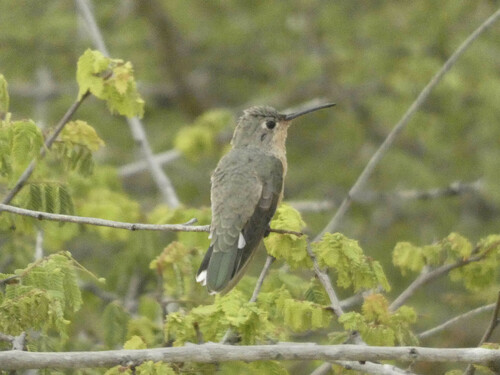 Buffy Hummingbird
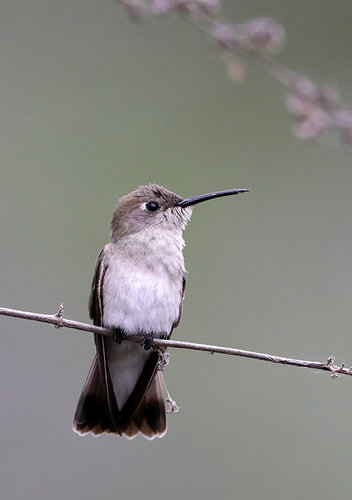 Tumbes Hummingbird
In breve
Il segno distintivo più affidabile per separare il Buffy Hummingbird dal Tumbes Hummingbird è il colore delle parti inferiori: il Buffy Hummingbird mostra un caratteristico lavaggio di cannella chiaro sotto, mentre il Tumbes Hummingbird è grigio chiaro o bianco sotto. Entrambe le specie sono simili in dimensioni e struttura, ma il Buffy Hummingbird ha una macchia bianca dietro l'occhio e una mandibola inferiore più chiara in contrasto, mentre il becco del Tumbes Hummingbird è completamente nero. Anche il modello della coda aiuta: il Buffy Hummingbird ha una coda verde opaca con una barra grigia e una punta arrotondata, mentre la coda del Tumbes Hummingbird è verde chiaro con una banda grigia scura e punte bianche o grigie. Queste differenze sono visibili sia negli uccelli posati che in volo, ma il colore delle parti inferiori e il modello del becco sono i più consistenti sul campo.
Consigli di identificazione
- Colore delle parti inferiori: Il Buffy Hummingbird mostra sempre parti inferiori di cannella chiaro, un tono caldo che si distingue rispetto alle fredde parti inferiori grigio chiaro o bianche del Tumbes Hummingbird. Questo è il segno distintivo più consistente per tutte le età e i sessi.
- Macchia post-oculare: Cerca una distintiva macchia bianca dietro l'occhio sul Buffy Hummingbird; il Tumbes Hummingbird non ha questo segno. Questo è visibile in buona luce a distanza ravvicinata, specialmente sugli uccelli posati.
- Colore del becco: Il Buffy Hummingbird ha un becco bicolore: mandibola superiore nera e mandibola inferiore chiara con una punta nera. Il becco del Tumbes Hummingbird è completamente nero. Questo è diagnostico a distanza ravvicinata o in foto.
- Modello della coda: La coda del Buffy Hummingbird è verde opaca con una barra grigia e una punta arrotondata. La coda del Tumbes Hummingbird è verde chiaro, con le piume interne che mostrano punte bronzate e le piume esterne con una banda grigia scura vicino alla fine e punte chiare (bianche o grigie). Le differenze nella coda sono sottili ma possono essere viste quando la coda è aperta.
- Colore delle parti superiori: Il Buffy Hummingbird ha parti superiori verde opaco, mentre il Tumbes Hummingbird è più chiaro e di un verde dorato sopra. Questo è un segno di supporto, meglio utilizzato in combinazione con il colore delle parti inferiori.
- Pancia e copritail: La pancia e i copritail del Buffy Hummingbird sono bianchi, in contrasto con il petto color cannella. La pancia del Tumbes Hummingbird è bianca, ma la transizione dal petto grigio è più graduale e manca del tono color cannella.
- Differenze sessuali: Entrambe le specie mostrano un minimo dimorfismo sessuale, ma le femmine del Buffy Hummingbird sono meno brillanti. Non fare affidamento sul sesso per la separazione.
- Differenze di età: Non sono descritti segni distintivi di età giovanile o immatura per nessuna delle due specie, quindi l'età non complica la separazione.
- Contesto dell'habitat: Il Buffy Hummingbird è più probabile che si trovi in cespugli secchi ricchi di cactus nel nord del Sud America; il Tumbes Hummingbird è limitato all'Ecuador e al Perù. Usa la gamma e l'habitat come contesto di supporto.
- Comportamento alimentare: Se visto nutrirsi della polpa o del succo di frutta di cactus, è più probabile che sia un Buffy Hummingbird, poiché questo comportamento non è notato per il Tumbes Hummingbird.
- Posato vs. in volo: Tutti i principali segni distintivi (colore delle parti inferiori, modello del becco, macchia post-oculare, modello della coda) sono visibili sugli uccelli posati. In volo, il colore delle parti inferiori e il modello della coda sono i più utili.
- Dimensioni: Entrambe le specie sono simili in dimensioni; non usare la lunghezza complessiva o il peso come separatore nel campo.
- Voce: Non sono descritte differenze vocali diagnostiche; non usare la voce per la separazione.
- Trappole: Fai attenzione agli effetti della luce sul colore delle parti inferiori: il lavaggio color cannella del Buffy Hummingbird può apparire più chiaro in luce intensa, ma dovrebbe comunque contrastare con il freddo grigio-bianco del Tumbes Hummingbird. La macchia post-oculare sul Buffy Hummingbird è un backup affidabile se il colore delle parti inferiori è ambiguo.
- Contesto del quiz: Se incontri un colibrì con un lavaggio color cannella sotto e una macchia bianca dietro l'occhio, è un Buffy Hummingbird. Se le parti inferiori sono fredde grigio-bianco senza macchia oculare e il becco è tutto nero, è un Tumbes Hummingbird.
Taglia
Entrambe le specie sono molto simili in dimensioni, con il Buffy Hummingbird che misura 8.5–9 cm di lunghezza e il Tumbes Hummingbird che varia da 8 a 11 cm. Il Tumbes Hummingbird può apparire leggermente più lungo all'estremità superiore della sua gamma, ma c'è una significativa sovrapposizione, e la dimensione da sola non è un separatore affidabile. Entrambi sono tipici piccoli colibrì e non dovrebbero essere separati per volume o lunghezza sul campo. [wikipedia][avonet]
Piumaggio
- Piumaggio giovanile/immaturo: Non sono descritte differenze specifiche di età relative al modello delle ali superiori o al volo per nessuna delle due specie, quindi la separazione si basa sul piumaggio del corpo e della coda a tutte le età.
- Buffy Hummingbird: Entrambi i sessi sono simili, ma le femmine sono meno brillanti. La schiena e le parti superiori sono verde opaco, le parti inferiori sono di cannella chiaro, la pancia e i copritail sono bianchi. La coda è verde opaca con una barra grigia trasversale e una punta arrotondata. Nota macchia bianca dietro l'occhio. Il becco è dritto, la mandibola superiore è nera, la mandibola inferiore è chiara con punta nera. [wikipedia]
- Tumbes Hummingbird: Entrambi i sessi sono simili. Le parti superiori sono di un verde dorato chiaro, le parti inferiori sono grigio chiaro che diventano bianche sulla pancia. La coda è verde chiaro; le piume interne hanno punte bronzate, le piume esterne hanno una banda grigia scura vicino alla fine e punte che sono bianche (maschio) o grigie (femmina). Il becco è quasi dritto e completamente nero. Nessuna menzione di una macchia post-oculare. [wikipedia]
- Contrasti chiave: Il Buffy Hummingbird mostra un caldo lavaggio color cannella sotto e una macchia post-oculare bianca, mentre il Tumbes Hummingbird è grigio-bianco freddo sotto e manca della macchia oculare. La coda del Buffy è verde opaca con una barra grigia e una punta arrotondata; la coda del Tumbes è verde chiaro con una banda grigia e punte chiare.
Comportamento
Entrambe le specie si nutrono di nettare e piccoli artropodi, spesso difendendo i fiori. Il Buffy Hummingbird è noto per nutrirsi della polpa e del succo di frutta di cactus, il che è insolito tra i colibrì. Il Tumbes Hummingbird cerca cibo dal sottobosco agli strati medi, ma non sono dettagliati comportamenti specifici di foraggiamento. Sul campo, entrambi possono essere visti sospesi sui fiori o a caccia di insetti, ma il Buffy Hummingbird può essere visto più spesso sui cactus. [wikipedia]
Habitat
Il Buffy Hummingbird abita foreste secche e terreni incolti nel nord del Sud America, spesso associato ai cactus. Il Tumbes Hummingbird si trova in Ecuador e Perù, anch'esso in habitat secchi ma con una gamma limitata alla regione di Tumbes. Sebbene entrambi favoriscano ambienti aridi o semi-aridi, la gamma del Buffy è più a nord e più strettamente legata a paesaggi dominati dai cactus. [wikipedia][ebird]
Buffy Hummingbird · Tumbes Hummingbird · I miei uccelli difficili