

debulhador vs bicknell's thrush
Toxostoma rufum versus Catharus bicknelli
Jogue um quiz com debulhador e bicknell's thrush
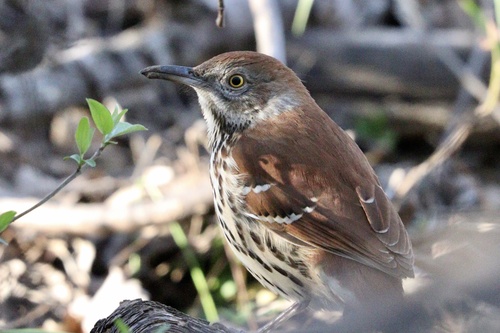 debulhador
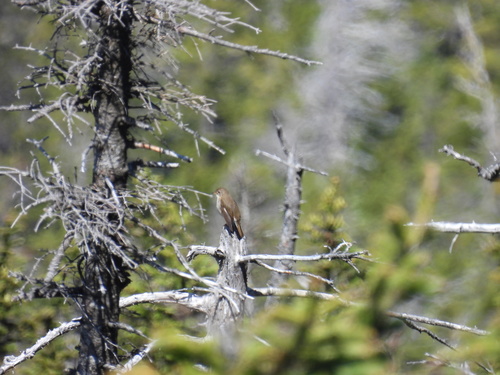 bicknell's thrush
Em resumo
A marca de campo mais confiável que separa o debulhador do bicknell's thrush é a marcação escura e ousada nas partes inferiores do debulhador, em contraste com as manchas borradas e tênues do bicknell's thrush. O debulhador é um pássaro maior, de cauda longa, com um bico distintamente curvado e olhos amarelos brilhantes, enquanto o bicknell's thrush é menor, com cauda mais curta, bico reto e marcas faciais sutis. Em voo ou empoleirado, as partes superiores ruivas do debulhador e sua cauda longa e arredondada se destacam, em comparação com a aparência mais compacta, oliva-marrom e a cauda com tons de castanho do bicknell's thrush. O habitat também é uma pista forte: o debulhador prefere emaranhados arbustivos e florestas abertas no leste e centro dos EUA, enquanto o bicknell's thrush é um reprodutor raro de florestas coníferas de alta elevação no nordeste.
Dicas de identificação
- Marcação nas partes inferiores: O debulhador sempre apresenta listras escuras e ousadas ou manchas em forma de gota em um peito e flancos brancos a amarelados; o bicknell's thrush tem apenas manchas borradas e tênues, principalmente no peito superior, que desaparecem nas laterais. Esta é a marca mais confiável em todas as idades e estações.
- Comprimento e cor da cauda: A cauda do debulhador é longa, ruiva e arredondada com cantos mais claros, frequentemente levantada ou aberta; o bicknell's thrush tem uma cauda mais curta, com tons de castanho, com muito menos contraste e sem cantos claros. A forma da cauda é óbvia em voo e quando empoleirado.
- Forma do bico: O debulhador tem um bico longo, ligeiramente curvado e marronáceo, adaptado para sondar; o bicknell's thrush tem um bico reto e fino com uma mandíbula inferior amarelada e ponta escura. A forma do bico é diagnóstica a curta distância.
- Cor dos olhos: O debulhador adulto tem um olho amarelo brilhante, enquanto o bicknell's thrush tem um olho escuro com um leve anel ocular cinza. A íris do debulhador juvenil é oliva, mas ainda mais clara do que a do bicknell's thrush.
- Padrão facial: O bicknell's thrush apresenta uma bochecha cinza sutil e um leve anel ocular, mas carece do forte contraste facial de alguns thrushes. O rosto do debulhador é ruivo simples, sem um forte anel ocular, mas o olho amarelo se destaca.
- Tamanho e volume do corpo: O debulhador é muito maior e mais robusto, com um corpo e cauda longos; o bicknell's thrush é pequeno e compacto, semelhante a outros thrushes do gênero Catharus. O tamanho geralmente é óbvio, a menos que distorcido pela distância.
- Padrão das asas: Nenhuma marca específica de idade é descrita para as asas de ambas as espécies, portanto, não confie em painéis de asas ou padrões de coberturas.
- Cor das pernas: O bicknell's thrush tem pernas rosas; as pernas do debulhador não são descritas como diagnósticas.
- Comportamento: O debulhador frequentemente forrageia no chão, mexendo nas folhas, e empoleira-se em arbustos abertos ou semi-abertos; o bicknell's thrush permanece baixo em coníferas densas, raramente se expondo, e se move com saltos rápidos.
- Habitat: O debulhador é encontrado em arbustos de planície, cercas vivas e florestas abertas; o bicknell's thrush é restrito a florestas coníferas de alta elevação no nordeste. O habitat sozinho pode frequentemente descartar um ou outro.
- Canto: O canto do debulhador é alto, variado e mimético, com frases repetidas; o bicknell's thrush canta uma canção suave, semelhante a uma flauta, ascendente, terminando em uma nota alta. Eles não são facilmente confundidos pelo ouvido.
- Estilo de voo: O voo do debulhador é forte e direto, com uma longa cauda arrastando; o bicknell's thrush voa baixo e ondulante, com uma cauda mais curta e um perfil mais compacto.
- Sazonalidade: O bicknell's thrush está presente apenas na temporada de reprodução (final da primavera–verão) em sua área limitada; o debulhador está presente em sua área da primavera ao outono, às vezes hibernando no sul.
- Sexo e idade: Ambas as espécies são semelhantes em aparência entre os sexos; o debulhador juvenil tem íris oliva e marcas superiores menos nítidas, mas as partes inferiores listradas permanecem. O juvenil do bicknell's thrush não é descrito como diferente do adulto nas marcas de campo.
- Armadilhas comuns: A confusão mais frequente surge de vistas distantes ou breves de um debulhador em arbustos densos, onde suas partes inferiores listradas ou cauda longa podem estar obscuras. Sempre tente obter uma visão clara do padrão das partes inferiores e da forma da cauda para confirmar.
Tamanho
O debulhador é muito maior, medindo de 23,5 a 30,5 cm de comprimento e pesando de 61 a 89 g, com uma envergadura de 29 a 33 cm. O bicknell's thrush é notavelmente menor, com cerca de 17,5 cm e 26 a 30 g, com um corpo mais curto e compacto. A longa cauda e o maior volume do debulhador são geralmente óbvios, mesmo à distância, enquanto o bicknell's thrush é mais próximo em tamanho de um hermit ou do swainson’s thrush. Se vistos lado a lado, o tamanho e as proporções do debulhador são inconfundíveis.
Plumagem
Os debulhadores juvenis e adultos apresentam partes superiores ruivas brilhantes e uma cauda longa e arredondada ruiva com cantos mais claros. As partes inferiores são de cor amarelada a branca, com listras escuras e ousadas em forma de gota atravessando o peito e flancos. Os juvenis diferem principalmente na cor oliva da íris e nas marcas superiores menos nítidas, mas as listras permanecem óbvias. O bicknell's thrush, em todas as plumagens, é oliva-marrom a marronáceo por cima, com um sutil tom de castanho na cauda (menos contraste em aves desgastadas), partes inferiores off-white e manchas borradas e tênues no peito que se tornam ainda menos distintas nas laterais. O padrão facial do bicknell's thrush é sutil: leve anel ocular cinza e bochechas, e uma mandíbula inferior predominantemente amarela. O olho amarelo brilhante do debulhador e as fortes listras são sempre diagnósticos. Nenhuma marca específica de idade é descrita para as asas ou voo de ambas as espécies, portanto, concentre-se no padrão das partes inferiores e na cor/forma da cauda.
Comportamento
O debulhador é frequentemente visto forrageando no chão ou próximo a ele, mexendo na litter de folhas com seu longo bico, e frequentemente empoleira-se em arbustos densos ou no topo de arbustos, às vezes levantando sua cauda. Seus movimentos são deliberados e às vezes secretos, mas pode ser ousado ao cantar. Em voo, a longa cauda do debulhador e seu voo forte e direto são distintivos. O bicknell's thrush é mais elusivo, geralmente permanecendo dentro de matas coníferas densas, movendo-se com rápidos saltos e raramente se expondo por muito tempo. Ele frequentemente empoleira-se ereto com uma leve queda nas asas e na cauda, e se levanta com um voo baixo e ondulante.
Habitat
O debulhador é amplamente distribuído no leste e centro dos EUA e no sul do Canadá, encontrado em bordas arbustivas, cercas vivas, florestas abertas e matas suburbanas—nunca nas florestas coníferas de alta elevação preferidas pelo bicknell's thrush. O bicknell's thrush é extremamente localizado, reproduzindo-se apenas em topos de montanhas e habitats coníferos perturbados no nordeste dos EUA e sudeste do Canadá. Se você estiver em um matagal de planície ou área suburbana, é extremamente improvável encontrar o bicknell's thrush; inversamente, um debulhador cantando em uma floresta de abetos e firas anãs em um topo de montanha é quase certamente uma má identificação.
Voz
O canto do debulhador é uma série alta e variada de frases repetidas, frequentemente imitando outros pássaros, e é muito mais forte e musical do que o canto etéreo e semelhante a uma flauta do bicknell's thrush. O canto do bicknell's thrush é uma série confusa de notas de flauta ascendentes, terminando em uma nota alta, e é facilmente confundido com o canto do gray-cheeked thrush, mas não com a imitação e repetição do debulhador. Os chamados também são distintos: o debulhador emite notas ásperas e estaladas, enquanto o bicknell's thrush emite chamados suaves e líquidos.