

Brown Thrasher vs Bicknell's Thrush
Toxostoma rufum contro Catharus bicknelli
Fai un quiz con Brown Thrasher e Bicknell's Thrush
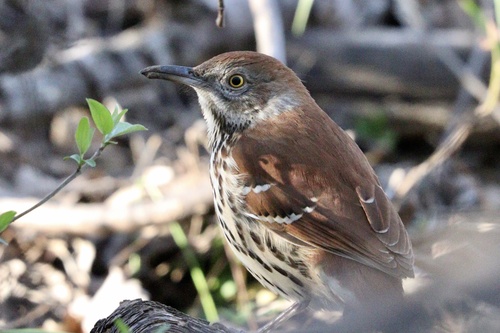 Brown Thrasher
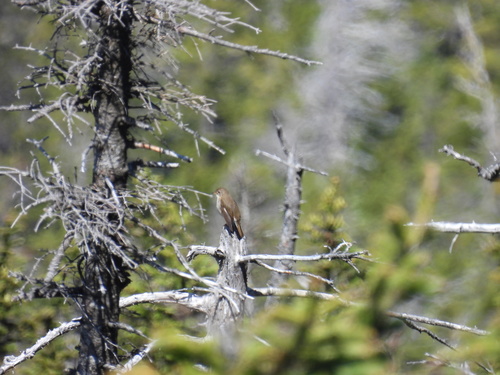 Bicknell's Thrush
In breve
Il segno di campo più affidabile che separa il Brown Thrasher dal Bicknell's Thrush è la marcatura audace e scura sulle parti inferiori del thrasher, rispetto ai punti sfocati e deboli del thrush. Il Brown Thrasher è un uccello più grande, con una lunga coda, un becco distintamente curvo e occhi gialli brillanti, mentre il Bicknell's Thrush è più piccolo, con una coda più corta, un becco dritto e marcature facciali sottili. In volo o posato, le parti superiori rufous del thrasher e la lunga coda arrotondata si distinguono, rispetto all'aspetto più compatto, oliva-marrone e alla coda con sfumature castanee del thrush. L'habitat è anche un forte indizio: il Brown Thrasher preferisce grovigli cespugliosi e boschi aperti nell'est e nel centro degli Stati Uniti, mentre il Bicknell's Thrush è un raro riproduttore delle foreste di conifere ad alta quota del nord-est.
Consigli di identificazione
- Underpart streaking: Il Brown Thrasher mostra sempre strisce scure e audaci o macchie a forma di goccia su un petto e fianchi bianchi o color crema; il Bicknell's Thrush ha solo macchie sfocate e deboli, per lo più sul petto superiore, che svaniscono sui lati. Questo è il segno più affidabile in tutte le età e stagioni.
- Tail length and color: La coda del thrasher è lunga, rufous e arrotondata con angoli più chiari, spesso sollevata o aperta; il Bicknell's Thrush ha una coda più corta, con sfumature castanee, con molto meno contrasto e senza angoli chiari. La forma della coda è ovvia in volo e quando è posato.
- Bill shape: Il Brown Thrasher ha un becco lungo, leggermente curvato e marrone, adattato per sondare; il Bicknell's Thrush ha un becco dritto e sottile con una mandibola inferiore giallastra e una punta nerastra. La forma del becco è diagnostica a distanza ravvicinata.
- Eye color: L'adulto Brown Thrasher ha un occhio giallo brillante, mentre il Bicknell's Thrush ha un occhio scuro con un debole anello oculare grigio. L'iride del thrasher giovane è oliva, ma ancora più chiara di quella del thrush.
- Facial pattern: Il Bicknell's Thrush mostra una guancia grigia sottile e un debole anello oculare, ma manca del forte contrasto facciale di alcuni thrush. Il viso del Brown Thrasher è semplice rufous senza un forte anello oculare, ma l'occhio giallo si distingue.
- Body size and bulk: Il thrasher è molto più grande e massiccio, con un corpo e una coda lunghi; il Bicknell's Thrush è piccolo e compatto, simile ad altri Catharus thrushes. La dimensione è solitamente ovvia se non distorta dalla distanza.
- Wing pattern: Non sono descritti segni specifici per età sulle ali superiori per nessuna delle due specie, quindi non fare affidamento su pannelli delle ali o modelli di copertura.
- Leg color: Il Bicknell's Thrush ha zampe rosa; le zampe del thrasher non sono descritte come diagnostiche.
- Behavior: Il thrasher spesso cerca cibo a terra, sollevando foglie, e si posa in aperti o semi-aperti cespugli; il Bicknell's Thrush rimane basso in conifere dense, raramente esponendosi, e si muove con rapidi salti.
- Habitat: Il thrasher si trova in cespugli di pianura, siepi e boschi aperti; il Bicknell's Thrush è limitato alle foreste di conifere ad alta quota nel nord-est. L'habitat da solo può spesso escludere uno o l'altro.
- Song: Il canto del thrasher è forte, vario e mimetico, con frasi ripetute; il Bicknell's Thrush canta una melodia morbida, simile a un flauto, che termina su una nota alta. Non sono facilmente confusi all'orecchio.
- Flight style: Il volo del thrasher è forte e diretto con una lunga coda che segue; il Bicknell's Thrush vola basso e ondulato, con una coda più corta e un profilo più compatto.
- Seasonality: Il Bicknell's Thrush è presente solo nella stagione di riproduzione (fine primavera-estate) nel suo raggio limitato; il Brown Thrasher è presente nel suo raggio dalla primavera all'autunno, a volte svernando nel sud.
- Sex and age: Entrambe le specie sono simili nell'aspetto tra i sessi; il thrasher giovane ha un'iride oliva e segni delle parti superiori meno definiti, ma le parti inferiori striate rimangono. Il giovane Bicknell's Thrush non è descritto come diverso dall'adulto nei segni di campo.
- Common pitfalls: La confusione più frequente deriva da viste distanti o brevi di un thrasher in cespugli densi, dove le sue parti inferiori striate o la lunga coda possono essere oscurate. Cerca sempre di avere una visione chiara del modello delle parti inferiori e della forma della coda per confermare.
Taglia
Il Brown Thrasher è molto più grande, misurando 23.5–30.5 cm di lunghezza e pesando 61–89 g, con un'apertura alare di 29–33 cm. Il Bicknell's Thrush è notevolmente più piccolo, circa 17.5 cm e 26–30 g, con un corpo più corto e compatto. La lunga coda del thrasher e la sua maggiore massa sono generalmente ovvie anche a distanza, mentre il thrush è più vicino in dimensioni a un Hermit o a un Swainson’s Thrush. Se visti fianco a fianco, le dimensioni e le proporzioni del thrasher sono inconfondibili.
Piumaggio
I Brown Thrashers giovani e adulti mostrano entrambi parti superiori rufous brillanti e una lunga coda arrotondata rufous con angoli più chiari. Le parti inferiori sono color crema o bianche con audaci strisce scure a forma di goccia sul petto e sui fianchi. I giovani differiscono principalmente per il colore oliva dell'iride e segni delle parti superiori meno definiti, ma le striature rimangono evidenti. Il Bicknell's Thrush, in tutte le sue livree, è oliva-marrone o marrone sopra con una sottile sfumatura castanea sulla coda (meno contrasto negli uccelli usurati), parti inferiori off-white e deboli macchie scure sul petto che diventano ancora meno distinte sui lati. Il modello facciale del thrush è sottile: un debole anello oculare grigio e guance, e una mandibola inferiore per lo più gialla. L'occhio giallo brillante del thrasher e le forti striature sono sempre diagnostiche. Non sono descritti segni specifici per età sulle ali superiori o sul volo per nessuna delle due specie, quindi concentrati sul modello delle parti inferiori e sul colore/forma della coda.
Comportamento
Il Brown Thrasher è spesso visto cercare cibo a terra o nelle vicinanze, sollevando detriti fogliari con il suo lungo becco, e frequentemente si posa in cespugli densi o sulla cima di arbusti, a volte sollevando la coda. I suoi movimenti sono deliberati e a volte segreti, ma può essere audace quando canta. In volo, la lunga coda del thrasher e il volo forte e diretto sono distintivi. Il Bicknell's Thrush è più elusivo, di solito rimane all'interno di cespugli coniferi densi, muovendosi con rapidi salti e raramente esponendosi a lungo. Spesso si posa eretto con una leggera inclinazione delle ali e della coda, e si alza con un volo basso e ondulato.
Habitat
Il Brown Thrasher è diffuso nell'est e nel centro degli Stati Uniti e nel sud del Canada, trovato in bordi cespugliosi, siepi, boschi aperti e cespugli suburbani—mai nelle foreste di conifere ad alta quota preferite dal Bicknell's Thrush. Il Bicknell's Thrush è estremamente localizzato, riproducendosi solo sulle cime delle montagne e in habitat di conifere disturbati nel nord-est degli Stati Uniti e nel sud-est del Canada. Se ti trovi in un cespuglio di pianura o in un'area suburbana, il Bicknell's Thrush è estremamente improbabile; al contrario, un thrasher che canta in una foresta di abeti e pini stentati su una cima di montagna è quasi certamente un errore di identificazione.
Voce
Il canto del Brown Thrasher è una serie forte e varia di frasi ripetute, spesso mimando altri uccelli, ed è molto più potente e musicale rispetto al canto etereo e simile a un flauto del Bicknell's Thrush. Il canto del thrush è una serie confusa di note di flauto in salita, che termina su una nota alta, ed è facilmente confuso con il Gray-cheeked Thrush ma non con la mimetizzazione e la ripetizione del thrasher. Anche i richiami sono distintivi: il thrasher emette note dure e schioccanti, mentre il Bicknell's Thrush emette richiami morbidi e liquidi.
Brown Thrasher · Bicknell's Thrush · I miei uccelli difficili