

brown-chested jungle flycatcher vs gray-chested jungle flycatcher
Cyornis brunneatus versus Cyornis umbratilis
Jogue um quiz com brown-chested jungle flycatcher e gray-chested jungle flycatcher
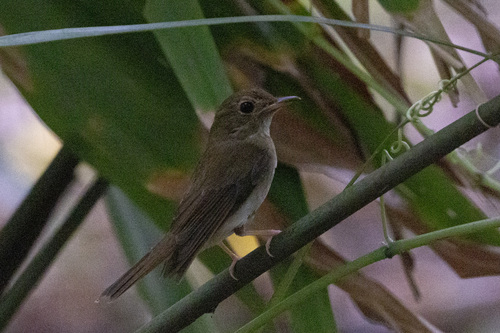 brown-chested jungle flycatcher
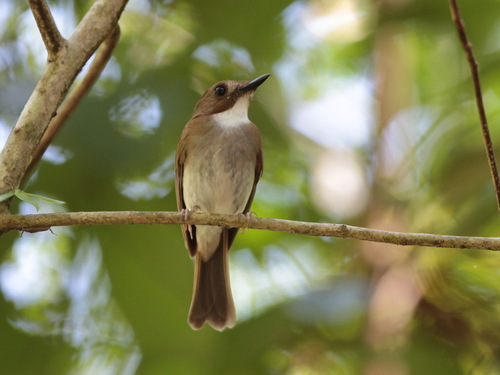 gray-chested jungle flycatcher
Em resumo
A maneira mais confiável de separar brown-chested jungle flycatcher de gray-chested jungle flycatcher é pela coloração do peito: brown-chested apresenta um peito com tonalidade marrom distinta, enquanto gray-chested tem um peito visivelmente mais cinza. Ambas as espécies são muito semelhantes em tamanho e forma geral, então diferenças sutis na plumagem são fundamentais. Seus habitats se sobrepõem apenas na Península Malaia, mas em outros lugares, a localização pode ajudar. No campo, concentre-se na cor do peito e em quaisquer diferenças sutis na preferência de habitat, pois pistas estruturais e de tamanho não são úteis para separação.
Dicas de identificação
- A cor do peito é a marca de campo chave: brown-chested jungle flycatcher apresenta um peito marrom quente, enquanto gray-chested jungle flycatcher tem um peito acinzentado. Essa diferença está presente em adultos e provavelmente em imaturos também.
- Sem pistas úteis de tamanho ou estrutura: Ambas as espécies são quase idênticas em massa e proporções gerais, então não confie em tamanho ou jizz.
- Sem padrão distinto nas asas ou cauda: Não há diferenças conhecidas nas marcas das asas ou cauda para qualquer idade ou estação; não espere marcas de voo úteis.
- O habitat pode ajudar, mas cuidado com a sobreposição: Em florestas de mangue, especialmente na Península Malaia, brown-chested é mais provável; em pântanos, gray-chested é mais provável. Em outros tipos de floresta, ambas podem ocorrer, então use a plumagem.
- A distribuição geográfica é uma pista forte: Na China do Sul, apenas brown-chested ocorre (como reprodutor); em Brunei e Indonésia, apenas gray-chested está presente. Na Tailândia e na Península Malaia, ambos são possíveis, então use outras marcas.
- Contexto sazonal: brown-chested é um migrante, então se visto na China do Sul fora da temporada de reprodução, reconsidere a identificação. gray-chested é residente.
- Vocalizações não são descritas: Não confie em canto ou chamada para separação com base nas fontes atuais.
- Ambos os sexos são semelhantes: Nenhuma informação sugere dimorfismo sexual em qualquer uma das espécies, então as diferenças entre machos e fêmeas não são úteis.
- Cuidado com a luz fraca: Em florestas sombreadas, os tons de peito marrom ou cinza podem ser difíceis de julgar; tente ver o pássaro em boa luz.
- Evite interpretar demais o habitat: Ambas as espécies usam florestas úmidas de baixa altitude, então o habitat sozinho raramente é diagnóstico, a menos que em mangue puro (brown-chested) ou pântano (gray-chested).
Tamanho
Ambas as espécies são virtualmente idênticas em tamanho, com brown-chested jungle flycatcher averaging 18.0g e gray-chested jungle flycatcher 18.2g [wikidata]. Nenhuma diferença significativa em massa ou estrutura é notada, então o tamanho não é uma marca de campo útil.
Plumagem
As diferenças na plumagem se concentram na cor do peito. O adulto brown-chested jungle flycatcher tem uma lavagem marrom quente no peito, contrastando com uma barriga mais clara, enquanto gray-chested jungle flycatcher apresenta um peito e partes inferiores mais uniformemente acinzentados. Não há informações sobre padrões de asas distintivos juvenis ou imaturos para qualquer uma das espécies, então confie na cor do peito para todas as idades. Ambas as espécies, de outra forma, têm padrões de flycatcher semelhantes, sem menção de barras de asas fortes, painéis ou diferenças no padrão da cauda.
Comportamento
Diferenças comportamentais não são descritas nas fontes disponíveis. Ambas as espécies são típicas de Cyornis flycatchers, propensas a atacar insetos de poleiros baixos em florestas densas, mas isso não é diagnóstico entre as duas.
Habitat
Ambas as espécies habitam florestas úmidas de baixa altitude subtropicais ou tropicais, mas brown-chested jungle flycatcher também utiliza florestas de mangue, enquanto gray-chested jungle flycatcher é encontrado em pântanos também [wikipedia]. Na Península Malaia, ambas podem ocorrer juntas, mas em outros lugares, brown-chested é um migrante (reproduzindo na China do Sul, hibernando na Península Malaia), enquanto gray-chested é residente em Brunei, Indonésia, Malásia e Tailândia. Se visto na China do Sul, é brown-chested; em Brunei ou Indonésia, é gray-chested. Na Península Malaia, verifique o habitat: manguezais podem favorecer brown-chested, pântanos podem favorecer gray-chested, mas a sobreposição é possível.
brown-chested jungle flycatcher · gray-chested jungle flycatcher · Minhas aves difíceis