

Motmot

ムナオビミツリンヒタキ 対 ノドジロミツリンヒタキ

Cyornis brunneatus 対 Cyornis umbratilis

ムナオビミツリンヒタキとノドジロミツリンヒタキのクイズ
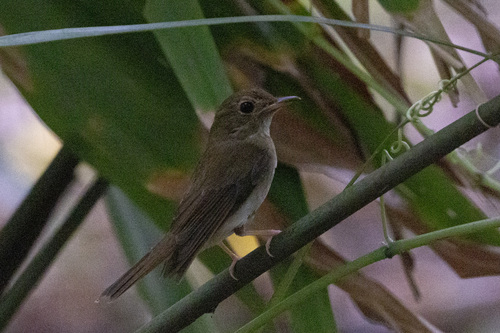
ムナオビミツリンヒタキ (Cyornis brunneatus) ムナオビミツリンヒタキ
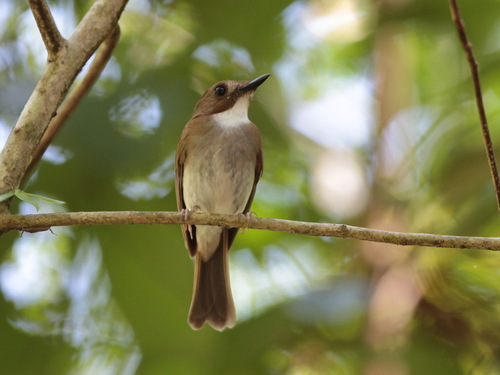
ノドジロミツリンヒタキ (Cyornis umbratilis) ノドジロミツリンヒタキ

メディア

読み込み中…

要点

ブラウンチェステッドジャングルフライキャッチャーとグレーチェステッドジャングルフライキャッチャーを区別する最も信頼できる方法は、胸の色合いによるものです:ブラウンチェステッドは明らかに茶色の胸を示し、グレーチェステッドは明らかに灰色の胸を持っています。両種はサイズと全体的な形状が非常に似ているため、羽毛の微妙な違いが重要です。彼らの分布はマレー半島でのみ重なりますが、他の場所では位置が助けになります。フィールドでは、胸の色と生息地の好みの微妙な違いに焦点を当ててください。構造やサイズの手がかりは区別には役立ちません。

識別のコツ

  1. 胸の色は重要なフィールドマークです: ブラウンチェステッドジャングルフライキャッチャーは温かみのある茶色の胸を示し、グレーチェステッドジャングルフライキャッチャーは灰色がかった胸を持っています。この違いは成鳥に見られ、幼鳥にもおそらく存在します。
  2. 役立つサイズや構造の手がかりはありません: 両種は質量と全体的な比率がほぼ同一であるため、サイズや印象に頼らないでください。
  3. 特徴的な翼や尾のパターンはありません: どの年齢や季節においても、翼や尾のマーキングにおける違いは知られていません。役立つ飛行マークを期待しないでください。
  4. 生息地が助けになることがありますが、重複に注意してください: マングローブの森では、特にマレー半島ではブラウンチェステッドがより可能性が高く、湿地ではグレーチェステッドがより可能性が高いです。他の森林タイプでは、両方が発生する可能性があるため、羽毛を使用してください。
  5. 地理的範囲は強力な手がかりです: 南中国では、ブラウンチェステッドのみが発生します(繁殖者として);ブルネイとインドネシアでは、グレーチェステッドのみが存在します。タイとマレー半島では、両方が可能性があるため、他のマークを使用してください。
  6. 季節的な文脈: ブラウンチェステッドは渡り鳥であるため、繁殖シーズン外に南中国で見られた場合は、同定を再考してください。グレーチェステッドは定住種です。
  7. 声は記載されていません: 現在の情報源に基づいて、歌や呼び声に頼って区別しないでください。
  8. 両性は似ています: どちらの種にも性差があるという情報はなく、オスとメスの違いは役立ちません。
  9. 悪い光に注意してください: 陰のある森では、茶色や灰色の胸の色合いを判断するのが難しい場合があります。良い光の中で鳥を見るようにしてください。
  10. 生息地の過剰解釈を避けてください: 両種は低地の湿った森林を利用するため、生息地だけでは診断的ではありません。純粋なマングローブ(ブラウンチェステッド)や湿地(グレーチェステッド)でない限り、診断的ではありません。

大きさ

両種はサイズがほぼ同一で、ブラウンチェステッドジャングルフライキャッチャーは平均18.0g、グレーチェステッドジャングルフライキャッチャーは18.2gです [wikidata]。質量や構造において意味のある違いは認められないため、サイズは有用なフィールドマークではありません。

羽色

羽毛の違いは胸の色に集中しています。成鳥のブラウンチェステッドジャングルフライキャッチャーは胸に温かみのある茶色の洗いがあり、腹部はより淡い色と対照的です。一方、グレーチェステッドジャングルフライキャッチャーはより均一な灰色の胸と腹部を示します。どちらの種にも特徴的な幼鳥や未熟な翼のパターンに関する情報はないため、すべての年齢で胸の色に頼ってください。両種はそれ以外は似たようなフライキャッチャーのパターンを持ち、強い翼のバー、パネル、または尾のパターンの違いについての言及はありません。

行動

行動の違いは利用可能な情報源には記載されていません。両種は典型的なCyornisフライキャッチャーであり、密な森林の低い止まり木から昆虫を捕まえる可能性がありますが、これは両者の区別には役立ちません。

生息環境

両種は亜熱帯または熱帯の湿った低地の森林に生息していますが、ブラウンチェステッドジャングルフライキャッチャーはマングローブの森林も利用し、グレーチェステッドジャングルフライキャッチャーは湿地でも見られます [wikipedia]。マレー半島では、両方が一緒に発生する可能性がありますが、他の場所ではブラウンチェステッドは渡り鳥(南中国で繁殖し、マレー半島で越冬)であり、グレーチェステッドはブルネイ、インドネシア、マレーシア、タイに定住しています。南中国で見られた場合はブラウンチェステッドであり、ブルネイまたはインドネシアではグレーチェステッドです。マレー半島では生息地を確認してください:マングローブはブラウンチェステッドを好む可能性があり、湿地はグレーチェステッドを好む可能性がありますが、重複は可能です。

より良い説明を送る

比較と同じ項目を使ってください。文章はすぐに公開されます。

The most reliable way to separate Brown-chested Jungle Flycatcher from Grey-chested Jungle Flycatcher is by chest coloration: Brown-chested shows a distinctly brown-toned chest, while Grey-chested has a noticeably greyer chest. Both species are very similar in size and overall shape, so subtle differences in plumage are key. Their ranges overlap only in the Malay Peninsula, but elsewhere, location can help. In the field, focus on chest color and any subtle differences in habitat preference, as structural and size cues are not useful for separation.

  1. Chest color is the key field mark: Brown-chested Jungle Flycatcher shows a warm brown chest, while Grey-chested Jungle Flycatcher has a greyish chest. This difference is present in adults and likely in immatures as well.
  2. No useful size or structure cues: Both species are nearly identical in mass and overall proportions, so do not rely on size or jizz.
  3. No distinctive wing or tail pattern: There are no known differences in wing or tail markings for any age or season; do not expect helpful flight marks.
  4. Habitat can help, but beware overlap: In mangrove forests, especially in the Malay Peninsula, Brown-chested is more likely; in swamps, Grey-chested is more likely. In other forest types, both can occur, so use plumage.
  5. Geographic range is a strong clue: In South China, only Brown-chested occurs (as a breeder); in Brunei and Indonesia, only Grey-chested is present. In Thailand and the Malay Peninsula, both are possible, so use other marks.
  6. Seasonal context: Brown-chested is a migrant, so if seen in South China outside the breeding season, reconsider ID. Grey-chested is resident.
  7. Vocalizations are not described: Do not rely on song or call for separation based on current sources.
  8. Both sexes similar: No information suggests sexual dimorphism in either species, so male/female differences are not helpful.
  9. Beware poor light: In shaded forest, the brown or grey chest tones may be hard to judge; try to view the bird in good light.
  10. Avoid over-interpreting habitat: Both species use lowland moist forest, so habitat alone is rarely diagnostic unless in pure mangrove (Brown-chested) or swamp (Grey-chested).

Both species are virtually identical in size, with Brown-chested Jungle Flycatcher averaging 18.0g and Grey-chested Jungle Flycatcher 18.2g [wikidata]. No meaningful difference in mass or structure is noted, so size is not a useful field mark.

Plumage differences center on the color of the chest. Adult Brown-chested Jungle Flycatcher has a warm brown wash across the chest, contrasting with a paler belly, while Grey-chested Jungle Flycatcher shows a more uniform greyish chest and underparts. There is no information on distinctive juvenile or immature wing patterns for either species, so rely on chest color for all ages. Both species otherwise have similar flycatcher patterns, with no mention of strong wing bars, panels, or tail pattern differences.

Behavioral differences are not described in the available sources. Both species are typical Cyornis flycatchers, likely to sally for insects from low perches in dense forest, but this is not diagnostic between the two.

Both species inhabit subtropical or tropical moist lowland forests, but Brown-chested Jungle Flycatcher also uses mangrove forests, while Grey-chested Jungle Flycatcher is found in swamps as well [wikipedia]. In the Malay Peninsula, both may occur together, but elsewhere, Brown-chested is a migrant (breeding in South China, wintering in the Malay Peninsula), while Grey-chested is resident in Brunei, Indonesia, Malaysia, and Thailand. If seen in South China, it is Brown-chested; in Brunei or Indonesia, it is Grey-chested. In the Malay Peninsula, check habitat: mangroves may favor Brown-chested, swamps may favor Grey-chested, but overlap is possible.

変更を破棄しますか?

保存していない編集があります。今離れると失われます。

ムナオビミツリンヒタキ · ノドジロミツリンヒタキ · 苦手な鳥