

arapapá vs socó-boi-baio
Cochlearius cochlearius versus Botaurus pinnatus
Jogue um quiz com arapapá e socó-boi-baio
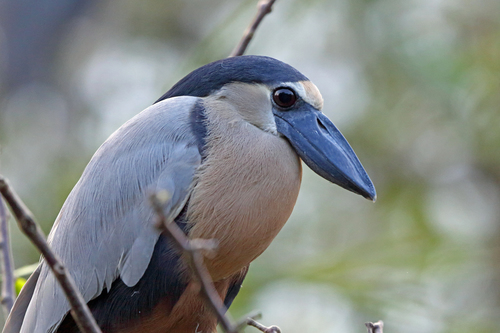 arapapá
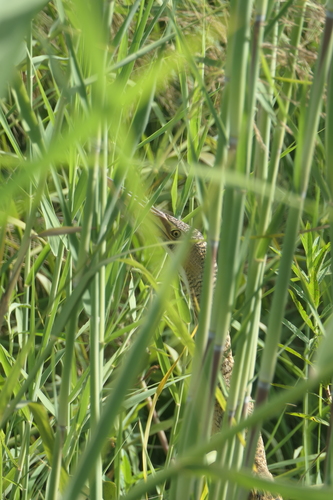 socó-boi-baio
Em resumo
A marca de campo mais confiável para separar o arapapá do socó-boi-baio é o bico negro, em forma de concha, único e maciço do arapapá, que é diferente de qualquer outro garça ou socó e é óbvio mesmo à distância. Em voo ou empoleirado, o arapapá apresenta um corpo cinza claro a branco com partes inferiores castanhas e uma crista escura (adultos), enquanto o socó-boi-baio tem um padrão críptico em buff e marrom, misturando-se à vegetação de pântano. Os juvenis de arapapá são mais escuros e não têm crista, mas ainda possuem o bico largo, enquanto os juvenis de socó-boi-baio são mais avermelhados, mas sempre com listras finas e barras. A estrutura e o comportamento também diferem: o arapapá é robusto e frequentemente se senta curvado, enquanto o socó-boi-baio é esguio, com um pescoço longo e o hábito de ficar parado na vertical. O habitat pode ajudar: o arapapá prefere manguezais e galhos baixos sobre a água, enquanto o socó-boi-baio prefere pântanos densos e canaviais.
Dicas de identificação
- A forma do bico é decisiva: O arapapá tem um bico negro, largo e em forma de concha, único entre garças e socós. Mesmo os juvenis mostram esse bico. O socó-boi-baio tem um bico amarelo, pontudo e normal, semelhante ao de uma garça, com a mandíbula superior escura.
- Presença de crista: Os arapapás adultos têm uma crista negra proeminente (mais longa nos machos), ausente no socó-boi-baio. Os juvenis de arapapá não têm crista, mas ainda mostram o bico.
- Padrão de plumagem: O arapapá é cinza claro a branco com partes inferiores castanhas e flancos negros, nunca listrados ou barrados. O socó-boi-baio é sempre críptico, com um padrão pesado de listras e barras pretas, incluindo nas costas, pescoço e partes inferiores.
- Confusão juvenil: Os juvenis de arapapá são mais escuros e não têm crista, mas nunca mostram as listras finas ou barras do socó-boi-baio; seu bico permanece diagnóstico.
- Padrão de voo: Em voo, o socó-boi-baio apresenta uma asa bicolor (remiges cinza ardósia contrastando com o corpo buff), e uma aparência críptica e listrada. O arapapá aparece pálido e sem marcas por baixo, com uma asa curta e larga e um bico pesado visível de lado.
- Postura do pescoço: O socó-boi-baio frequentemente estica seu pescoço verticalmente quando alarmado, misturando-se às canas. O arapapá tende a curvar o pescoço quando empoleirado.
- Tamanho e forma: O socó-boi-baio é maior e esguio, com um pescoço e pernas longas; o arapapá é mais curto, robusto e mais compacto.
- Cor da cauda (específica por sexo): Os machos de socó-boi-baio têm caudas pretas, as fêmeas castanhas; o arapapá não apresenta esse contraste.
- Cor das pernas: Ambas as espécies têm pernas amarelo-esverdeadas, portanto, isso não é um separador confiável.
- Contexto do habitat: O arapapá está quase sempre em manguezais ou galhos pendentes acima da água; o socó-boi-baio está em pântanos densos, canaviais ou campos alagados.
- Comportamento quando alarmado: O socó-boi-baio fica parado na vertical e só se afasta a curta distância; o arapapá pode se afastar mais prontamente ou se mover ao longo dos galhos.
- Diferenças sexuais: As fêmeas de arapapá são ligeiramente menores e mais cinzentas, com uma crista mais curta; as fêmeas de socó-boi-baio têm caudas castanhas.
- Hábitos noturnos: Ambas são noturnas, mas o arapapá é mais propenso a ser visto ao crepúsculo ou à noite, enquanto o socó-boi-baio raramente é visto, exceto quando alarmado.
- A plumagem não se sobrepõe: Não há idade ou estação em que o arapapá mostre a plumagem críptica listrada/barrada do socó-boi-baio, ou vice-versa.
- Se em dúvida, concentre-se no bico e no habitat: Se você vê uma garça com um bico enorme e largo em um mangue, é um arapapá; se você vê um pássaro críptico e listrado congelado em um pântano, é um socó-boi-baio.
Tamanho
O socó-boi-baio é o maior dos dois, medindo 64–76 cm (25–30 pol) de comprimento e pesando 554–1.157 g, com machos significativamente mais pesados que fêmeas. O arapapá é menor, cerca de 54 cm (21 pol) de comprimento, e mais compacto em construção. O tamanho do socó é acentuado por seu pescoço e pernas longas, enquanto o arapapá parece mais curto e robusto, especialmente quando empoleirado. No entanto, o tamanho sozinho pode ser difícil de julgar, a menos que ambas as espécies sejam vistas lado a lado.
Plumagem
- Voo e empoleirado de juvenis/imaturos: Os juvenis de arapapá são mais escuros em geral do que os adultos, não têm crista, mas mantêm o bico negro largo e têm penas cinzas nas partes superiores. Os juvenis de socó-boi-baio são mais avermelhados do que os adultos, mas sempre mostram listras pesadas e barras nas costas, pescoço e partes inferiores, com uma garganta branca e pescoço anterior listrado com marrom claro.
- Voo e empoleirado de adultos: Os arapapás adultos são cinza claro a branco com abdômens castanhos, flancos negros e uma coroa e crista negras (crista maior nos machos). O bico é sempre maciço e negro. Os adultos de socó-boi-baio são crípticamente padronizados: buffy no geral, fortemente listrados e barrados com preto, com uma garganta branca, pescoço anterior listrado e um pescoço buff com finas barras pretas. Suas remiges (penas de voo) são cinza ardósia, criando um efeito bicolor em voo, e a cauda é preta nos machos, castanha nas fêmeas.
- Diferenças sexuais: Ambas as espécies são semelhantes entre os sexos, mas as fêmeas de arapapá são ligeiramente menores, mais cinzentas e têm cristas mais curtas; as fêmeas de socó-boi-baio têm caudas castanhas (não pretas).
- Contraste chave: O arapapá nunca mostra as listras crípticas e barras do socó-boi-baio, e o socó-boi-baio nunca mostra o corpo pálido e sem marcas ou o bico maciço do arapapá.
Comportamento
O arapapá é tipicamente visto empoleirado em galhos baixos ou raízes de mangue sobre a água, frequentemente ao crepúsculo ou à noite, e adota uma postura curvada e robusta. Ele se alimenta ficando parado ou se aproximando lentamente, às vezes mergulhando na superfície da água com seu bico. O socó-boi-baio é extremamente secreto, geralmente escondido na vegetação densa do pântano. Quando alarmado, ele congela com a cabeça e o bico apontados para cima, misturando-se às canas, e só se afasta a curta distância. Ele é principalmente solitário e raramente visto em aberto, exceto quando voando entre a cobertura. Ambos são em grande parte noturnos, mas o arapapá é mais propenso a ser visto ao crepúsculo ou à noite, enquanto o socó-boi-baio está quase sempre oculto.
Habitat
O arapapá está fortemente associado a pântanos de mangue, riachos vegetados, lagoas rasas e galhos baixos sobre a água, do México ao Peru e Brasil. Ele raramente se afasta muito da água com cobertura pendente. O socó-boi-baio habita uma gama mais ampla de zonas úmidas de água doce, incluindo canaviais densos, pântanos de capim alto, pastagens alagadas, bordas de lagos e até campos de arroz ou cana-de-açúcar. Ele raramente é encontrado em manguezais ou empoleirado sobre água aberta. Assim, o contexto do habitat pode ser uma pista forte: mangue ou galho pendente sugere arapapá; pântano denso ou canavial aponta para socó-boi-baio.