

Boat-billed Heron vs Pinnated Bittern
Cochlearius cochlearius contro Botaurus pinnatus
Fai un quiz con Boat-billed Heron e Pinnated Bittern
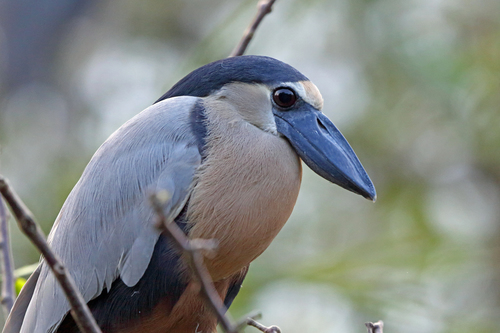 Boat-billed Heron
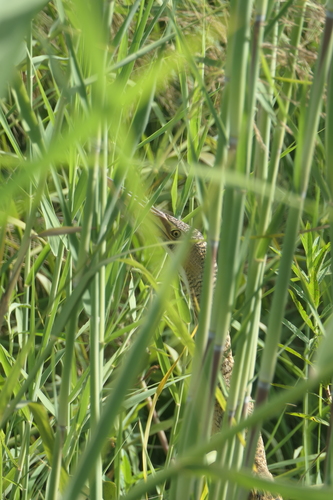 Pinnated Bittern
In breve
Il segno distintivo più affidabile per separare il Boat-billed Heron dal Pinnated Bittern è il becco nero, unico e massiccio, a forma di cucchiaio del Boat-billed Heron, che è diverso da qualsiasi altro airone o bittern ed è evidente anche a distanza. In volo o posato, il Boat-billed Heron mostra un corpo grigio chiaro a bianco con parti inferiori castanee e una cresta scura (adulti), mentre il Pinnated Bittern ha un piumaggio criptico a motivo color sabbia e marrone, che si fonde nella vegetazione palustre. I giovani Boat-billed Heron sono più scuri e privi di cresta, ma hanno comunque il becco largo, mentre i giovani Pinnated Bittern sono più rossastri ma sempre finemente striati e barrati. Anche la struttura e il comportamento differiscono: il Boat-billed Heron è tozzo e spesso si siede curvo, mentre il Pinnated Bittern è slanciato, con un collo lungo e l'abitudine di rimanere immobile in posizione verticale. L'habitat può aiutare: il Boat-billed Heron predilige le mangrovie e i rami bassi sopra l'acqua, il Pinnated Bittern preferisce le paludi dense e i letti di canne.
Consigli di identificazione
- La forma del becco è decisiva: Il Boat-billed Heron ha un enorme, largo becco nero a forma di cucchiaio, unico tra gli aironi e i bittern. Anche i giovani mostrano questo becco. Il Pinnated Bittern ha un becco giallastro appuntito, simile a quello di un airone, con una mandibola superiore scura.
- Presenza della cresta: Gli adulti Boat-billed Heron hanno una prominente cresta nera (più lunga nei maschi), assente nel Pinnated Bittern. I giovani Boat-billed Heron non hanno la cresta ma mostrano comunque il becco.
- Motivo del piumaggio: Il Boat-billed Heron è grigio chiaro a bianco con parti inferiori castanee e fianchi neri, mai striato o barrato. Il Pinnated Bittern ha sempre un piumaggio criptico con pesanti striature e barrature color sabbia e nero, inclusi schiena, collo e parti inferiori.
- Confusione nei giovani: I giovani Boat-billed Heron sono più scuri e privi di cresta ma non mostrano mai le fini striature o barrature del Pinnated Bittern; il loro becco rimane diagnostico.
- Motivo di volo: In volo, il Pinnated Bittern mostra un'ala bicolore (remiganti grigio ardesia in contrasto con il corpo color sabbia) e un aspetto criptico e striato. Il Boat-billed Heron appare pallido e privo di segni sotto, con un'ala corta e larga e un becco pesante visibile di lato.
- Postura del collo: Il Pinnated Bittern spesso allunga il collo verticalmente quando allarmato, fondendosi nelle canne. Il Boat-billed Heron tende a curvare il collo quando è posato.
- Dimensioni e forma: Il Pinnated Bittern è più grande e slanciato, con un collo e gambe lunghi; il Boat-billed Heron è più corto, più robusto e più compatto.
- Colore della coda (specifico per sesso): I maschi di Pinnated Bittern hanno code nere, le femmine marroni; il Boat-billed Heron non mostra questo contrasto.
- Colore delle gambe: Entrambe le specie hanno gambe giallo-verdi, quindi questo non è un separatore affidabile.
- Contesto dell'habitat: Il Boat-billed Heron si trova quasi sempre in mangrovie o rami sporgenti sopra l'acqua; il Pinnated Bittern si trova in paludi dense, letti di canne o campi allagati.
- Comportamento quando allarmato: Il Pinnated Bittern si congela in posizione verticale e si allontana solo a distanza ravvicinata; il Boat-billed Heron può allontanarsi più facilmente o muoversi lungo i rami.
- Differenze sessuali: Le femmine di Boat-billed Heron sono leggermente più piccole e grigie con una cresta più corta; le femmine di Pinnated Bittern hanno code marroni.
- Abitudini notturne: Entrambi sono notturni, ma il Boat-billed Heron è più probabile da vedere al crepuscolo o di notte, mentre il Pinnated Bittern è raramente visto tranne quando si allontana.
- Il piumaggio non si sovrappone: Non esiste un'età o una stagione in cui il Boat-billed Heron mostra il piumaggio criptico striato/barrato del Pinnated Bittern, o viceversa.
- In caso di dubbio, concentrati su becco e habitat: Se vedi un airone con un enorme becco largo in una mangrovia, è un Boat-billed Heron; se vedi un uccello criptico e striato che si congela in una palude, è un Pinnated Bittern.
Taglia
Il Pinnated Bittern è il più grande dei due, misurando 64–76 cm (25–30 in) di lunghezza e pesando 554–1.157 g, con i maschi significativamente più pesanti delle femmine. Il Boat-billed Heron è più piccolo, circa 54 cm (21 in) di lunghezza, e più compatto nella struttura. La dimensione del Bittern è accentuata dal suo collo e dalle sue gambe lunghi, mentre il Boat-billed Heron appare più corto e robusto, specialmente quando è posato. Tuttavia, la dimensione da sola può essere difficile da giudicare a meno che entrambe le specie non siano viste fianco a fianco.
Piumaggio
- Giovane/immaturo in volo e posato: I giovani Boat-billed Heron sono complessivamente più scuri degli adulti, privi di cresta, ma mantengono il becco nero largo e hanno piumino grigio sulla parte superiore. I giovani Pinnated Bittern sono più rossastri degli adulti, ma mostrano sempre pesanti striature e barrature sulla schiena, collo e parti inferiori, con una gola bianca e un collo anteriore striato di marrone chiaro.
- Adulto in volo e posato: Gli adulti Boat-billed Heron sono grigio chiaro a bianco con addome castano, fianchi neri e una corona e cresta nere (cresta più grande nei maschi). Il becco è sempre massiccio e nero. Gli adulti di Pinnated Bittern hanno un piumaggio criptico: color sabbia complessivamente, pesantemente striati e barrati di nero, con una gola bianca, un collo anteriore striato e un collo color sabbia con sottili barrature nere. Le loro remiganti (piume da volo) sono grigio ardesia, creando un effetto bicolore in volo, e la coda è nera nei maschi, marrone nelle femmine.
- Differenze sessuali: Entrambe le specie sono simili tra i sessi, ma le femmine di Boat-billed Heron sono leggermente più piccole, più grigie e hanno creste più corte; le femmine di Pinnated Bittern hanno code marroni (non nere).
- Contrasto chiave: Il Boat-billed Heron non mostra mai le striature criptiche e le barrature del Pinnated Bittern, e il Pinnated Bittern non mostra mai il corpo pallido e privo di segni o il becco massiccio del Boat-billed Heron.
Comportamento
Il Boat-billed Heron è tipicamente visto posato su rami bassi o radici di mangrovie sopra l'acqua, spesso al crepuscolo o di notte, e adotta una postura curvata e tozza. Si nutre stando in piedi o cacciando lentamente, a volte raccogliendo la superficie dell'acqua con il suo becco. Il Pinnated Bittern è estremamente riservato, solitamente nascosto nella vegetazione palustre densa. Quando è allarmato, si congela con la testa e il becco puntati dritti verso l'alto, fondendosi nelle canne, e si allontana solo a distanza ravvicinata. È per lo più solitario e raramente visto all'aperto, tranne quando vola tra le coperture. Entrambi sono per lo più notturni, ma il Boat-billed Heron è più probabile da vedere al crepuscolo o di notte, mentre il Pinnated Bittern è quasi sempre nascosto.
Habitat
Il Boat-billed Heron è fortemente associato a paludi di mangrovie, corsi d'acqua vegetati, lagune poco profonde e rami sporgenti sopra l'acqua, dal Messico al Perù e al Brasile. Raramente si allontana molto dall'acqua con copertura sporgente. Il Pinnated Bittern abita una gamma più ampia di zone umide di acqua dolce, comprese letti di canne densi, paludi di erba alta, pascoli allagati, bordi di laghi e persino campi di riso o canna da zucchero. È raramente trovato in mangrovie o posato sopra acqua aperta. Pertanto, il contesto dell'habitat può essere un forte indizio: una mangrovia o un ramo sporgente suggerisce il Boat-billed Heron; una palude densa o un letto di canne punta al Pinnated Bittern.
Boat-billed Heron · Pinnated Bittern · I miei uccelli difficili