

Motmot

ヒロハシサギ 対 ナンベイサンカノゴイ

Cochlearius cochlearius 対 Botaurus pinnatus

ヒロハシサギとナンベイサンカノゴイのクイズ
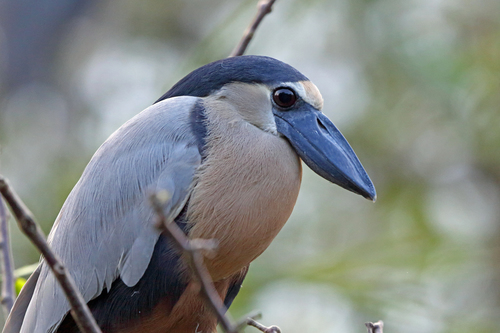
ヒロハシサギ (Cochlearius cochlearius) ヒロハシサギ
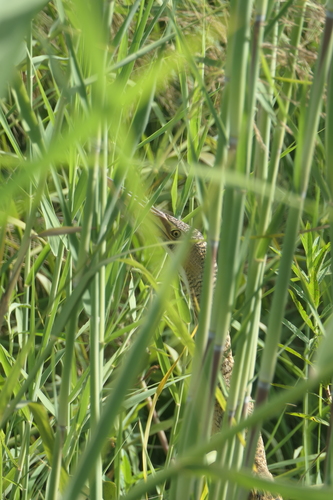
ナンベイサンカノゴイ (Botaurus pinnatus) ナンベイサンカノゴイ

メディア

読み込み中…

要点

ヒロハシサギとナンベイサンカノゴイを区別する最も信頼できるフィールドマークは、ヒロハシサギの独特で巨大なスコップ型の黒いくちばしであり、他のサギやカノゴイとは異なり、遠くからでも明らかです。飛んでいる時や止まっている時、ヒロハシサギは淡い灰色から白の体に栗色の腹部と暗い冠(成鳥)を示しますが、ナンベイサンカノゴイはバフと茶色の隠れた模様で、湿地の植生に溶け込んでいます。幼鳥のヒロハシサギはより暗く、冠がなくても広いくちばしを持っていますが、幼鳥のナンベイサンカノゴイはより赤みがかっていますが、常に細かい縞模様と横縞があります。構造と行動も異なります:ヒロハシサギはずんぐりしていて、しばしば背中を丸めて座りますが、ナンベイサンカノゴイは細長く、長い首を持ち、直立して凍りつく習性があります。生息地も役立ちます:ヒロハシサギは水上のマングローブや低い枝を好み、ナンベイサンカノゴイは密な湿地や葦原を好みます。

識別のコツ

  1. Bill shape is decisive: ヒロハシサギは巨大で広いスコップ型の黒いくちばしを持ち、サギやカノゴイの中で独特です。幼鳥でもこのくちばしを示します。ナンベイサンカノゴイは強いが通常のサギのような尖った黄褐色のくちばしを持ち、上くちばしは暗いです。
  2. Crest presence: 成鳥のヒロハシサギは目立つ黒い冠を持ち(オスでは長い)、ナンベイサンカノゴイにはありません。幼鳥のヒロハシサギは冠がありませんが、くちばしは示します。
  3. Plumage pattern: ヒロハシサギは淡い灰色から白で、栗色の腹部と黒い側面を持ち、決して縞模様や横縞はありません。ナンベイサンカノゴイは常に重いバフと黒の縞模様と横縞を持ち、背中、首、腹部にも含まれます。
  4. Juvenile confusion: 幼鳥のヒロハシサギはより暗く、冠がありませんが、ナンベイサンカノゴイの細かい縞模様や横縞は決して示しません;くちばしは診断的です。
  5. Flight pattern: 飛行中、ナンベイサンカノゴイは二色の翼(スレートグレーの飛翔羽がバフ色の体と対照的)を示し、縞模様の隠れた外観を持ちます。ヒロハシサギは下側が淡く無地に見え、短く広い翼と重いくちばしが横から見えます。
  6. Neck posture: ナンベイサンカノゴイは警戒すると首を垂直に伸ばし、葦に溶け込みます。ヒロハシサギは止まっている時に首を丸める傾向があります。
  7. Size and shape: ナンベイサンカノゴイはより大きく細長く、長い首と脚を持ちます;ヒロハシサギは短く、ずんぐりしていて、よりコンパクトです。
  8. Tail color (sex-specific): オスのナンベイサンカノゴイは黒い尾を持ち、メスは茶色です;ヒロハシサギはこの対比を示しません。
  9. Leg color: 両種とも緑がかった黄色の脚を持つため、これは信頼できる区別にはなりません。
  10. Habitat context: ヒロハシサギはほぼ常に水上のマングローブや低い枝にいます;ナンベイサンカノゴイは密な湿地、葦原、または浸水した田んぼにいます。
  11. Behavior when flushed: ナンベイサンカノゴイは直立して凍りつき、近距離でのみ飛び立ちます;ヒロハシサギはより容易に飛び立つか、枝を移動することがあります。
  12. Sex differences: メスのヒロハシサギはわずかに小さく、灰色で、冠が短い;メスのナンベイサンカノゴイは茶色の尾を持っています。
  13. Nocturnal habits: 両種とも夜行性ですが、ヒロハシサギは夕暮れや夜に見られる可能性が高く、ナンベイサンカノゴイは飛び立つ時以外はほとんど見られません。
  14. Plumage does not overlap: ヒロハシサギがナンベイサンカノゴイの隠れた縞模様や横縞の羽毛を示す年齢や季節はありませんし、その逆もありません。
  15. If in doubt, focus on bill and habitat: マングローブで巨大で広いくちばしを持つサギを見たら、それはヒロハシサギです;湿地で凍りついている隠れた縞模様の鳥を見たら、それはナンベイサンカノゴイです。

大きさ

ナンベイサンカノゴイは二つの中で大きく、長さは64–76 cm(25–30 in)で、体重は554–1,157 gで、オスはメスよりもかなり重いです。ヒロハシサギは小さく、約54 cm(21 in)で、よりコンパクトな体型です。カノゴイのサイズは長い首と脚によって強調され、ヒロハシサギは特に止まっている時に短くずんぐりして見えます。しかし、サイズだけでは両種が並んで見られない限り、判断が難しいことがあります。

羽色

行動

ヒロハシサギは通常、水上の低い枝やマングローブの根に止まっているのが見られ、しばしば夕暮れや夜に、背中を丸めたずんぐりした姿勢を取ります。立っているか、ゆっくりと忍び寄ることで餌を探し、時にはくちばしで水面をすくうこともあります。ナンベイサンカノゴイは非常に秘密主義で、通常は密な湿地の植生に隠れています。警戒すると、頭とくちばしを真上に向けて凍りつき、葦に溶け込み、近距離でのみ飛び立ちます。ほとんどが孤独で、カバーの間を飛ぶ時以外はほとんど見られません。両種とも主に夜行性ですが、ヒロハシサギは夕暮れや夜に見られる可能性が高く、ナンベイサンカノゴイはほとんど常に隠れています。

生息環境

ヒロハシサギはマングローブの湿地、植生のある小川、浅い潟、そして水上の低い枝に強く関連しており、メキシコからペルー、ブラジルまで分布しています。水のある覆いのある場所から遠く離れることはほとんどありません。ナンベイサンカノゴイは、密な葦原、高草の湿地、浸水した牧草地、湖の縁、さらには米やサトウキビの畑など、より広範囲の淡水湿地に生息しています。マングローブや開けた水の上に止まっていることはほとんどありません。したがって、生息地の文脈は強い手がかりになることがあります:マングローブや覆いのある枝はヒロハシサギを示し、密な湿地や葦原はナンベイサンカノゴイを指し示します。

より良い説明を送る

比較と同じ項目を使ってください。文章はすぐに公開されます。

The most reliable field mark to separate Boat-billed Heron from Pinnated Bittern is the Boat-billed Heron's unique, massive, scoop-shaped black bill, which is unlike any other heron or bittern and is obvious even at a distance. In flight or perched, Boat-billed Heron shows a pale grey to white body with chestnut underparts and a dark crest (adults), while Pinnated Bittern is cryptically patterned in buff and brown, blending into marsh vegetation. Juvenile Boat-billed Herons are darker and lack a crest, but still have the broad bill, while juvenile Pinnated Bitterns are more reddish but always finely streaked and barred. Structure and behavior also differ: Boat-billed Heron is stocky and often sits hunched, while Pinnated Bittern is lanky, with a long neck and a habit of freezing upright. Habitat can help: Boat-billed Heron favors mangroves and low branches over water, Pinnated Bittern prefers dense marshes and reedbeds.

  1. Bill shape is decisive: Boat-billed Heron has a huge, broad, scoop-shaped black bill, unique among herons and bitterns. Even juveniles show this bill. Pinnated Bittern has a strong but normal heron-like, pointed yellowish bill with a dusky upper mandible.
  2. Crest presence: Adult Boat-billed Herons have a prominent black crest (longer in males), lacking in Pinnated Bittern. Juvenile Boat-billed Herons lack the crest but still show the bill.
  3. Plumage pattern: Boat-billed Heron is pale grey to white with chestnut underparts and black flanks, never streaked or barred. Pinnated Bittern is always cryptically patterned with heavy buff and black streaking and barring, including on the back, neck, and underparts.
  4. Juvenile confusion: Juvenile Boat-billed Herons are darker and lack a crest but never show the fine streaking or barring of Pinnated Bittern; their bill remains diagnostic.
  5. Flight pattern: In flight, Pinnated Bittern shows a two-toned wing (slate-grey remiges contrasting with buffy body), and a streaked, cryptic appearance. Boat-billed Heron appears pale and unmarked below, with a short, broad wing and heavy bill visible from the side.
  6. Neck posture: Pinnated Bittern often stretches its neck vertically when alarmed, blending into reeds. Boat-billed Heron tends to hunch its neck when perched.
  7. Size and shape: Pinnated Bittern is larger and lankier, with a long neck and legs; Boat-billed Heron is shorter, bulkier, and more compact.
  8. Tail color (sex-specific): Male Pinnated Bitterns have black tails, females brown; Boat-billed Heron does not show this contrast.
  9. Leg color: Both species have greenish-yellow legs, so this is not a reliable separator.
  10. Habitat context: Boat-billed Heron is almost always in mangroves or overhanging branches above water; Pinnated Bittern is in dense marshes, reedbeds, or flooded fields.
  11. Behavior when flushed: Pinnated Bittern freezes upright and flushes only at close range; Boat-billed Heron may flush more readily or move along branches.
  12. Sex differences: Female Boat-billed Herons are slightly smaller and grayer with a shorter crest; female Pinnated Bitterns have brown tails.
  13. Nocturnal habits: Both are nocturnal, but Boat-billed Heron is more likely to be seen at dusk or night, while Pinnated Bittern is rarely seen except when flushed.
  14. Plumage does not overlap: There is no age or season where Boat-billed Heron shows the cryptic streaked/banded plumage of Pinnated Bittern, or vice versa.
  15. If in doubt, focus on bill and habitat: If you see a heron with a huge, broad bill in a mangrove, it's a Boat-billed Heron; if you see a cryptic, streaked bird freezing in a marsh, it's a Pinnated Bittern.

Pinnated Bittern is the larger of the two, measuring 64–76 cm (25–30 in) in length and weighing 554–1,157 g, with males significantly heavier than females. Boat-billed Heron is smaller, about 54 cm (21 in) long, and more compact in build. The Bittern's size is accentuated by its long neck and legs, while the Boat-billed Heron appears shorter and bulkier, especially when perched. However, size alone can be hard to judge unless both species are seen side by side.

  • Juvenile/immature flight and perched: Juvenile Boat-billed Herons are darker overall than adults, lack the crest, but retain the broad black bill and have gray down on upperparts. Juvenile Pinnated Bitterns are more reddish than adults, but always show heavy streaking and barring on the back, neck, and underparts, with a white throat and foreneck streaked with pale brown.
  • Adult flight and perched: Adult Boat-billed Herons are pale grey to white with chestnut abdomens, black flanks, and a black crown and crest (crest larger in males). The bill is always massive and black. Pinnated Bittern adults are cryptically patterned: buffy overall, heavily streaked and barred with black, with a white throat, streaked foreneck, and a buff neck with thin black barring. Their remiges (flight feathers) are slate-grey, creating a two-toned effect in flight, and the tail is black in males, brown in females.
  • Sex differences: Both species are similar between sexes, but female Boat-billed Herons are slightly smaller, grayer, and have shorter crests; female Pinnated Bitterns have brown (not black) tails.
  • Key contrast: Boat-billed Heron never shows the cryptic streaking and barring of Pinnated Bittern, and Pinnated Bittern never shows the pale, unmarked body or massive bill of Boat-billed Heron.

Boat-billed Heron is typically seen perched on low branches or mangrove roots over water, often at dusk or night, and adopts a hunched, stocky posture. It forages by standing or slowly stalking, sometimes scooping at the water surface with its bill. Pinnated Bittern is extremely secretive, usually hidden in dense marsh vegetation. When alarmed, it freezes with its head and bill pointed straight up, blending into reeds, and only flushes at close range. It is mostly solitary and rarely seen in the open, except when flying between cover. Both are largely nocturnal, but Boat-billed Heron is more likely to be seen at dusk or night, while Pinnated Bittern is almost always concealed.

Boat-billed Heron is strongly associated with mangrove swamps, vegetated streams, shallow lagoons, and low-hanging branches over water, from Mexico to Peru and Brazil. It rarely strays far from water with overhanging cover. Pinnated Bittern inhabits a broader range of freshwater wetlands, including dense reed beds, tall-grass marshes, flooded pastures, lake edges, and even rice or sugarcane fields. It is rarely found in mangroves or perched over open water. Thus, habitat context can be a strong clue: mangrove or overhanging branch suggests Boat-billed Heron; dense marsh or reedbed points to Pinnated Bittern.

変更を破棄しますか?

保存していない編集があります。今離れると失われます。

ヒロハシサギ · ナンベイサンカノゴイ · 苦手な鳥