

blue-throated flycatcher vs hill blue flycatcher
Cyornis rubeculoides versus Cyornis whitei
Jogue um quiz com blue-throated flycatcher e hill blue flycatcher
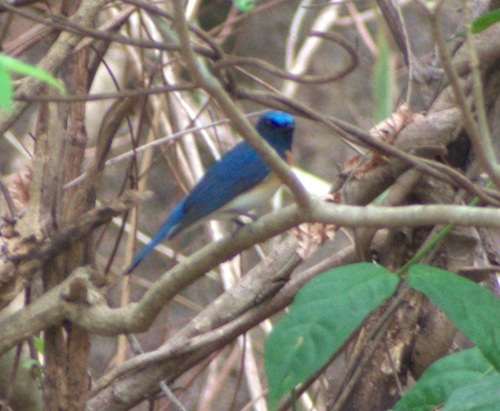 blue-throated flycatcher
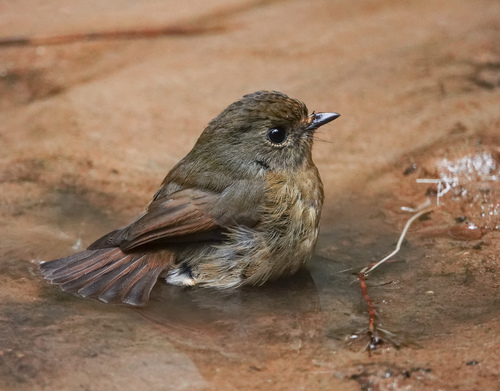 hill blue flycatcher
Em resumo
A maneira mais confiável de separar blue-throated flycatcher de hill blue flycatcher é a cor da garganta em machos adultos: blue-throated apresenta uma garganta distintamente azul, enquanto hill blue não possui essa característica. Ambos são pequenos, parecidos, mas blue-throated prefere florestas mais densas e é melhor identificado pela sua coloração única da garganta. Diferenças estruturais e comportamentais são sutis, então concentre-se na cor da garganta em boa luz, especialmente para machos adultos. Pássaros imaturos e fêmeas são muito mais difíceis de distinguir e podem não ser separados com segurança em campo com as informações atuais.
Dicas de identificação
- Garganta azul em machos adultos: A única melhor marca de campo—o macho adulto blue-throated flycatcher apresenta uma clara mancha azul na garganta, enquanto hill blue flycatcher não. Sempre confirme boa luz e ângulo, pois sombras podem obscurecer essa marca.
- Partes superiores azuis e partes inferiores ruivas: Ambas as espécies compartilham essas características, então não as use apenas para separação.
- Fêmeas e imaturos: Estes são extremamente difíceis de separar em campo com as informações atuais. Se a garganta não for azul, não assuma hill blue flycatcher—considere a idade e o sexo.
- Contexto de habitat: Se você estiver em uma floresta densa e espessa, blue-throated é mais provável, mas ambas as espécies podem ocorrer em habitats semelhantes onde suas distribuições se sobrepõem.
- Distribuição geográfica: Hill blue flycatcher é encontrado no sul da China, no nordeste da Índia e no Sudeste Asiático. Blue-throated também é encontrado na região, então a distribuição sozinha não é diagnóstica.
- Sem padrão de asa distintivo: Nenhuma das espécies é descrita como tendo um padrão de asa juvenil ou imaturo único que possa ser usado para separação em voo.
- Empoleirado vs. em voo: Ambas as espécies parecem semelhantes em voo e empoleiradas; concentre-se na cor da garganta quando o pássaro estiver em repouso.
- Características estruturais: Nenhuma diferença confiável na forma do bico, comprimento da cauda ou projeção primária é notada nas fontes.
- Voz: Nenhuma diferença vocal é descrita nas notas disponíveis; não confie em canto ou chamada para separação.
- Armadilhas de quiz: A maioria das confusões em quizzes ocorre com machos não adultos ou pássaros em luz fraca. Se você não consegue ver uma garganta azul, não adivinhe com base apenas na cor das partes inferiores ou no comportamento.
- Variação sazonal: Nenhuma mudança sazonal de plumagem é descrita que ajude na separação.
- Dimorfismo sexual: Apenas machos adultos são separáveis de forma confiável pela cor da garganta; fêmeas e imaturos permanecem um desafio.
- Iluminação: A garganta azul pode ser difícil de ver na sombra; sempre verifique de múltiplos ângulos, se possível.
- Bandos mistos: Ambas as espécies podem se juntar a bandos de espécies mistas na floresta, então não use a composição do bando para identificação.
- Status de conservação: Ambas estão listadas com o mesmo status da IUCN, então a raridade não é uma pista útil.
Tamanho
Ambas as espécies são pequenos flycatchers no mesmo gênero, e nenhuma diferença de tamanho confiável é notada nas fontes disponíveis. Espere proporções semelhantes e aparência geral quando empoleiradas ou em voo.
Plumagem
Para machos adultos, blue-throated flycatcher se destaca com uma mancha azul na garganta, enquanto hill blue flycatcher não possui azul na garganta. Ambos têm partes superiores azuis e partes inferiores ruivas, mas apenas blue-throated mostra azul se estendendo para a garganta. Para fêmeas e imaturos, as diferenças são muito menos óbvias e podem não ser separadas com segurança em campo sem informações mais detalhadas. Nenhum padrão de asa ou parte superior específico para a idade é mencionado para qualquer uma das espécies, então concentre-se na cor da garganta quando visível. Pássaros juvenis e de primeiro inverno não são descritos nas notas, então cautela é necessária com machos não adultos.
Comportamento
Ambas as espécies se comportam como típicos flycatchers de floresta, frequentemente empoleirando-se eretos e atacando insetos. Nenhuma diferença comportamental distintiva é notada nas fontes, então não confie no comportamento para separação.
Habitat
Blue-throated flycatcher tende a favorecer florestas mais densas e espessas em comparação com outros flycatchers, que podem incluir hill blue flycatcher. Hill blue flycatcher é encontrado no sul da China, no nordeste da Índia e no Sudeste Asiático, frequentemente em florestas montanhosas ou colinas. Embora ambas possam se sobrepor em distribuição, blue-throated pode estar mais ligado a interiores de florestas densas, mas o habitat sozinho não é diagnóstico onde suas distribuições se sobrepõem.
blue-throated flycatcher · hill blue flycatcher · Minhas aves difíceis