

Motmot

ムネアカヒメアオヒタキ 対 ミヤマヒメアオヒタキ

Cyornis rubeculoides 対 Cyornis whitei

ムネアカヒメアオヒタキとミヤマヒメアオヒタキのクイズ
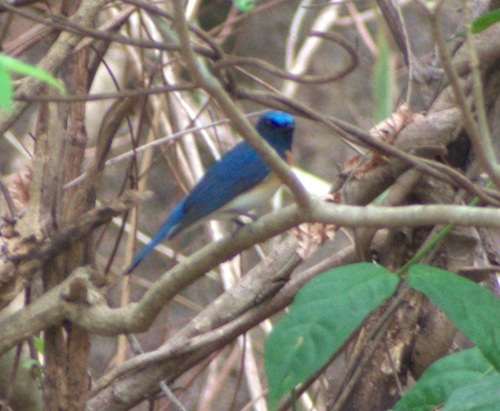
ムネアカヒメアオヒタキ (Cyornis rubeculoides) ムネアカヒメアオヒタキ
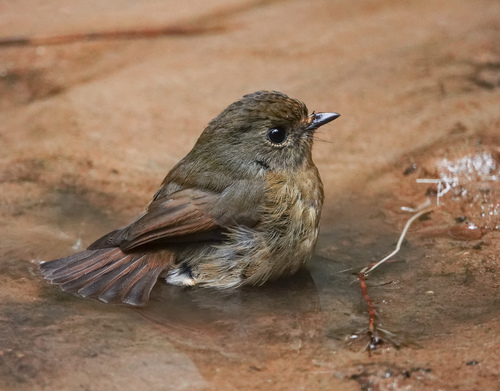
ミヤマヒメアオヒタキ (Cyornis whitei) ミヤマヒメアオヒタキ

メディア

読み込み中…

要点

ブルースロートヒメアオヒタキとミヤマヒメアオヒタキを区別する最も信頼できる方法は、成鳥のオスの喉の色です:ブルースロートは明確に青い喉を示しますが、ミヤマはこの特徴がありません。両者は小さく、見た目が似ているヒメアオヒタキですが、ブルースロートはより密な森林を好み、その独特の喉の色で区別されます。構造的および行動的な違いは微妙なので、特に成鳥のオスの場合は良い光の下で喉の色に注目してください。未熟な鳥や雌は区別が非常に難しく、現在の情報では安全にフィールドで分けることができないかもしれません。

識別のコツ

  1. 成鳥のオスの青い喉: 最も良いフィールドマーク—成鳥のオスのブルースロートヒメアオヒタキは明確な青い喉の斑点を示しますが、ミヤマヒメアオヒタキは示しません。常に良い光と角度を確認してください。影がこのマークを隠すことがあります。
  2. 青い上面と赤褐色の下面: 両種はこれらの特徴を共有しているため、これだけで区別しないでください。
  3. 雌と未熟な個体: 現在の情報ではフィールドで区別するのが非常に難しいです。喉が青くない場合、ミヤマヒメアオヒタキだと仮定しないでください—年齢と性別を考慮してください。
  4. 生息地の文脈: 密で厚い森林にいる場合、ブルースロートの可能性が高いですが、両種はその範囲が重なる類似の生息地に出現することがあります。
  5. 地理的範囲: ミヤマヒメアオヒタキは中国南部、インド北東部、東南アジアに分布しています。ブルースロートもこの地域に見られるため、範囲だけでは診断できません。
  6. 特徴的な翼の模様はなし: どちらの種も、飛行中に区別するために使用できる独特の幼鳥または未熟な翼の模様があるとは記載されていません。
  7. 止まっている時と飛んでいる時: 両種は飛行中と止まっている時に似て見えます。鳥が休んでいる時に喉の色に注目してください。
  8. 構造的特徴: ビルの形状、尾の長さ、または主羽の突出において信頼できる違いは記載されていません。
  9. 声: 利用可能なメモには音声の違いは記載されていません。歌や鳴き声に頼って区別しないでください。
  10. クイズの落とし穴: ほとんどのクイズの混乱は非成鳥のオスや暗い光の中の鳥で発生します。青い喉が見えない場合、下面の色や行動だけで推測しないでください。
  11. 季節的変化: 区別に役立つ季節的な羽毛の変化は記載されていません。
  12. 性的二形性: 喉の色によって確実に区別できるのは成鳥のオスだけで、雌と未熟な個体は依然として課題です。
  13. 照明: 青い喉は影の中では見えにくいことがあります。可能であれば、常に複数の角度から確認してください。
  14. 混合群れ: 両種は森林で混合種の群れに加わることがあるため、識別のために群れの構成を使用しないでください。
  15. 保全状況: 両者は同じIUCNの状態にリストされているため、希少性は有用な手がかりではありません。

大きさ

両種は同じ属の小さなヒメアオヒタキであり、利用可能な情報源には信頼できるサイズの違いは記載されていません。止まっている時や飛行中に似たような比率と全体的な印象を期待してください。

羽色

成鳥のオスの場合、ブルースロートヒメアオヒタキは青い喉の斑点で際立っていますが、ミヤマヒメアオヒタキは喉に青がありません。両者は青い上面と赤褐色の下面を持っていますが、ブルースロートだけが喉に青が広がっています。雌と未熟な個体の場合、違いははるかに明白ではなく、より詳細な情報がないとフィールドで安全に区別できないかもしれません。どちらの種についても年齢特有の翼や上翼の模様は言及されていないため、可視の際には喉の色に注目してください。幼鳥や初冬の鳥についてはメモに記載されていないため、非成鳥のオスには注意が必要です。

行動

両種は典型的な森林のヒメアオヒタキのように振る舞い、しばしば直立して虫を捕まえます。情報源には特徴的な行動の違いは記載されていないため、行動に頼って区別しないでください。

生息環境

ブルースロートヒメアオヒタキは、他のヒメアオヒタキと比較してより密で厚い森林を好む傾向があります。ミヤマヒメアオヒタキは中国南部、インド北東部、東南アジアに分布し、しばしば丘陵または山地の森林に生息しています。両者は範囲が重なることがありますが、ブルースロートは密な森林の内部により結びついている可能性がありますが、範囲が重なる場所では生息地だけでは診断できません。

より良い説明を送る

比較と同じ項目を使ってください。文章はすぐに公開されます。

The most reliable way to separate Blue-throated Flycatcher from Hill Blue Flycatcher is the color of the throat in adult males: Blue-throated shows a distinctly blue throat, while Hill Blue lacks this feature. Both are small, similar-looking flycatchers, but Blue-throated prefers denser forest and is best told by its unique throat coloration. Structural and behavioral differences are subtle, so focus on throat color in good light, especially for adult males. Immature and female birds are much harder to distinguish and may not be safely separated in the field with current information.

  1. Blue throat in adult males: The single best field mark—adult male Blue-throated Flycatcher shows a clear blue throat patch, while Hill Blue Flycatcher does not. Always confirm good light and angle, as shadows can obscure this mark.
  2. Blue upperparts and rufous underparts: Both species share these features, so do not use them alone for separation.
  3. Females and immatures: These are extremely difficult to separate in the field with current information. If the throat is not blue, do not assume Hill Blue Flycatcher—consider age and sex.
  4. Habitat context: If you are in dense, thick forest, Blue-throated is more likely, but both species can occur in similar habitats where their ranges overlap.
  5. Geographic range: Hill Blue Flycatcher is found in southern China, northeastern India, and Southeast Asia. Blue-throated is also found in the region, so range alone is not diagnostic.
  6. No distinctive wing pattern: Neither species is described as having a unique juvenile or immature wing pattern that can be used for separation in flight.
  7. Perched vs. in flight: Both species look similar in flight and perched; focus on throat color when the bird is at rest.
  8. Structural features: No reliable differences in bill shape, tail length, or primary projection are noted in the sources.
  9. Voice: No vocal differences are described in the available notes; do not rely on song or call for separation.
  10. Quiz pitfalls: Most quiz mix-ups occur with non-adult males or birds in poor light. If you cannot see a blue throat, do not guess based on underpart color or behavior alone.
  11. Seasonal variation: No seasonal plumage changes are described that help with separation.
  12. Sexual dimorphism: Only adult males are reliably separable by throat color; females and immatures remain a challenge.
  13. Lighting: Blue throat can be hard to see in shade; always check from multiple angles if possible.
  14. Mixed flocks: Both species may join mixed-species flocks in forest, so do not use flock composition for ID.
  15. Conservation status: Both are listed with the same IUCN status, so rarity is not a useful clue.

Both species are small flycatchers in the same genus, and no reliable size difference is noted in the available sources. Expect similar proportions and overall jizz when perched or in flight.

For adult males, Blue-throated Flycatcher stands out with a blue throat patch, while Hill Blue Flycatcher lacks blue on the throat. Both have blue upperparts and rufous underparts, but only Blue-throated shows blue extending onto the throat. For females and immatures, the differences are much less obvious and may not be safely separated in the field without more detailed information. No distinctive age-specific wing or upperwing pattern is mentioned for either species, so focus on throat color when visible. Juvenile and first-winter birds are not described in the notes, so caution is needed with non-adult males.

Both species behave like typical forest flycatchers, often perching upright and sallying for insects. No distinctive behavioral differences are noted in the sources, so do not rely on behavior for separation.

Blue-throated Flycatcher tends to favor denser, thicker forest compared to other flycatchers, which may include Hill Blue Flycatcher. Hill Blue Flycatcher is found in southern China, northeastern India, and Southeast Asia, often in hilly or montane forest. While both can overlap in range, Blue-throated may be more tied to dense forest interiors, but habitat alone is not diagnostic where their ranges overlap.

変更を破棄しますか?

保存していない編集があります。今離れると失われます。

ムネアカヒメアオヒタキ · ミヤマヒメアオヒタキ · 苦手な鳥