

blue-throated flycatcher vs chinese blue flycatcher
Cyornis rubeculoides versus Cyornis glaucicomans
Jogue um quiz com blue-throated flycatcher e chinese blue flycatcher
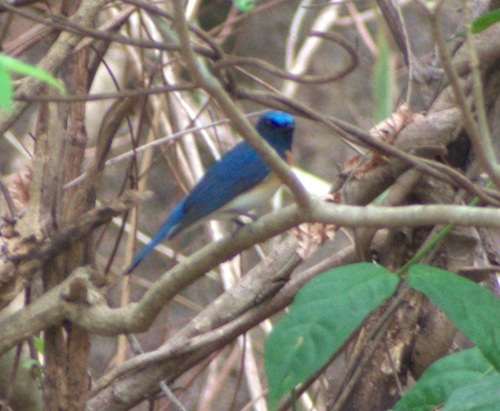 blue-throated flycatcher
 chinese blue flycatcher
Em resumo
A maneira mais confiável de separar blue-throated flycatcher de chinese blue flycatcher é pela cor da garganta em machos adultos: blue-throated apresenta uma garganta distintamente azul, enquanto chinese blue flycatcher tem uma coloração de garganta diferente. Ambas as espécies são pequenos e ativos, e podem ser muito semelhantes em forma e tamanho geral. Aves imaturas e fêmeas são especialmente desafiadoras para separar, pois suas diferenças de plumagem são sutis e não estão bem descritas nas fontes disponíveis. O habitat pode ajudar às vezes: blue-throated flycatcher prefere florestas mais densas, enquanto chinese blue flycatcher é mais provável de ser encontrado no sul da China e em áreas de invernada adjacentes.
Dicas de identificação
- Cor da garganta do macho adulto: Machos de blue-throated flycatcher têm uma garganta distintamente azul, que é a única marca de campo mais confiável. Se você vê uma garganta azul, não é chinese blue flycatcher.
- Macho adulto de chinese blue flycatcher: Não possui a garganta azul; a cor exata da garganta não é especificada nas fontes, mas não será azul. Esta é a principal separação de blue-throated.
- Fêmeas e imaturos: Nenhuma marca de campo detalhada é fornecida nas fontes para separar fêmeas ou aves imaturas. Tenha cautela e evite identificação positiva, a menos que a cor da garganta seja claramente visível.
- Contexto de habitat: Blue-throated flycatcher é mais provável em florestas densas e espessas, enquanto chinese blue flycatcher está ligado ao sul da China e sua área de invernada. Use habitat e distribuição como pistas de apoio, não como características primárias de identificação.
- Distribuição geográfica: Se você estiver fora do meio sul da China ou da área de invernada do sul, blue-throated é mais provável, mas esteja ciente de que as distribuições podem se sobrepor.
- Comportamento: Ambas as espécies são ativas, caçando insetos; o comportamento não é útil para separação.
- Tamanho e estrutura: Ambas são semelhantes em tamanho e forma; não confie nessas características para identificação.
- Visões de voo: Nenhum padrão distintivo de asa superior juvenil ou imaturo é descrito para qualquer uma das espécies, então visões de voo de aves jovens não são diagnósticas.
- Vocalizações: Nenhuma diferença vocal distinta é fornecida nas fontes; não confie na voz para separação, a menos que você tenha experiência em nível de especialista e referências adicionais.
- Armadilhas de quiz: A maioria das confusões ocorre com fêmeas e imaturos, ou quando a garganta não é claramente vista. Sempre tente confirmar a cor da garganta em machos adultos para uma identificação confiante.
- Taxonomia anterior: Chinese blue flycatcher foi anteriormente considerada uma subespécie de blue-throated, o que explica sua extrema semelhança; apenas a cor da garganta em machos adultos é uma marca de campo segura.
- Não superinterprete a plumagem sutil: Sem marcas diagnósticas claras nas fontes, evite adivinhar com base em pequenas diferenças de tonalidade ou sombra em outras partes do pássaro.
- Fotografe se incerto: Para indivíduos difíceis, especialmente fêmeas e imaturos, tente obter fotos para revisão posterior ou consulta a especialistas.
- Consulte listas de verificação locais: Em áreas de sobreposição de distribuição, verifique registros recentes do eBird para ver qual espécie é mais provável em sua localização e estação, mas não confie apenas na probabilidade para identificação.
- Resumo: Para identificação confiante, concentre-se na garganta azul em machos adultos; todas as outras características são muito semelhantes ou não estão descritas bem o suficiente para serem confiáveis.
Tamanho
Ambas as espécies são pequenos passeriformes da família Muscicapidae, e não há evidências de uma diferença de tamanho consistente entre elas nas fontes disponíveis. Espere proporções, tamanho de bico e estrutura geral semelhantes em campo.
Plumagem
Machos adultos de blue-throated flycatcher podem ser distinguidos por sua garganta azul, que é a marca de campo chave. Machos adultos de chinese blue flycatcher não possuem essa característica e têm uma cor de garganta diferente (não especificada nas fontes, mas implícita como não azul). Para fêmeas e imaturos, as fontes não fornecem contrastes detalhados, então a separação provavelmente será muito difícil ou impossível sem vistas próximas e prolongadas ou vocalizações. Nenhuma informação está disponível sobre padrões distintivos de asa superior juvenil ou imaturo para qualquer uma das espécies, então visões de voo de aves jovens não são diagnósticas com o conhecimento atual.
Comportamento
Ambas as espécies se comportam como pequenos flycatchers típicos: ativas, saltando de poleiros para pegar insetos. Não há diferenças comportamentais observadas nas fontes que ajudariam na separação em campo.
Habitat
Blue-throated flycatcher é notado por preferir florestas mais espessas e densas em comparação com outros flycatchers. Chinese blue flycatcher é nativo do meio sul da China e inverna mais ao sul, mas preferências específicas de habitat não são detalhadas. Se você estiver em uma floresta densa na área conhecida de blue-throated, isso apoia sua identificação, mas as distribuições se sobrepõem em algumas áreas e o habitat sozinho não é diagnóstico.
blue-throated flycatcher · chinese blue flycatcher · Minhas aves difíceis