

Motmot

ムネアカヒメアオヒタキ 対 チュウゴクヒメアオヒタキ

Cyornis rubeculoides 対 Cyornis glaucicomans

ムネアカヒメアオヒタキとチュウゴクヒメアオヒタキのクイズ
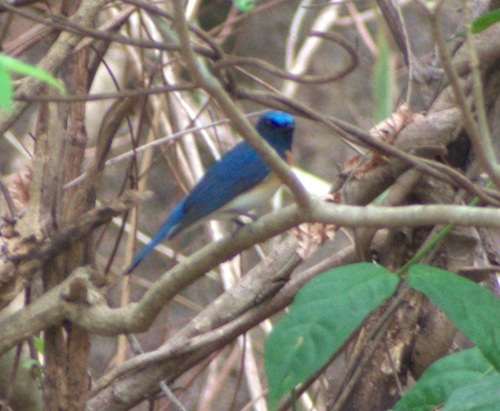
ムネアカヒメアオヒタキ (Cyornis rubeculoides) ムネアカヒメアオヒタキ
チュウゴクヒメアオヒタキ (Cyornis glaucicomans) チュウゴクヒメアオヒタキ

メディア

読み込み中…

要点

ブルースロートヒメアオヒタキとチュウゴクヒメアオヒタキを区別する最も信頼できる方法は、成鳥のオスの喉の色によるものです:ブルースロートは明確に青い喉を示し、チュウゴクヒメアオヒタキは異なる喉の色合いを持っています。両種は小さく、活発なヒメアオヒタキで、全体的な形状やサイズが非常に似ていることがあります。未熟な個体や雌は特に区別が難しく、羽毛の違いは微妙で、利用可能な情報源では十分に説明されていません。生息地が時には助けになることがあります:ブルースロートヒメアオヒタキはより密な森林を好み、チュウゴクヒメアオヒタキは南中国や隣接する越冬地にいる可能性が高いです。

識別のコツ

  1. 成鳥オスの喉の色:ブルースロートヒメアオヒタキのオスは明確に青い喉を持ち、これは最も信頼できるフィールドマークです。青い喉が見えた場合、それはチュウゴクヒメアオヒタキではありません。
  2. 成鳥オスのチュウゴクヒメアオヒタキ:青い喉が欠けており、正確な喉の色は情報源に指定されていませんが、青ではないでしょう。これがブルースロートとの主な区別です。
  3. 雌と未熟個体:雌や未熟な鳥を区別するための詳細なフィールドマークは情報源に提供されていません。注意を払い、喉の色が明確に見えない限り、確定的な同定を避けてください。
  4. 生息地の文脈:ブルースロートヒメアオヒタキはより密で厚い森林にいる可能性が高く、チュウゴクヒメアオヒタキは南中国とその越冬範囲に関連しています。生息地と範囲を補助的な手がかりとして使用し、主要な同定特徴としては使用しないでください。
  5. 地理的範囲:南中部中国や南の越冬範囲の外にいる場合、ブルースロートの可能性が高いですが、範囲が重なることもあることに注意してください。
  6. 行動:両種は活発で、虫を捕まえるために止まり木から飛び出すヒメアオヒタキです;行動は区別には役立ちません。
  7. サイズと構造:両者はサイズと形状が似ています;同定のためにこれらの特徴に頼らないでください。
  8. 飛行の視点:どちらの種についても、特異な未熟個体や幼鳥の上翼パターンは説明されていないため、若い鳥の飛行の視点は診断的ではありません。
  9. 鳴き声:情報源には区別できる鳴き声の違いは提供されていません;専門的な経験と追加の参考文献がない限り、声に頼らないでください。
  10. クイズの落とし穴:ほとんどの混同は雌や未熟個体、または喉が明確に見えない場合に発生します。自信を持って同定するために、成鳥のオスの喉の色を確認するようにしてください。
  11. 以前の分類学:チュウゴクヒメアオヒタキは以前、ブルースロートの亜種と考えられており、これが彼らの極端な類似性を説明しています;成鳥のオスの喉の色だけが安全なフィールドマークです。
  12. 微妙な羽毛を過剰解釈しない:情報源に明確な診断マークがない場合、鳥の他の部分のわずかな色合いやトーンの違いに基づいて推測するのは避けてください。
  13. 不確かな場合は写真を撮る:特に雌や未熟個体の難しい個体については、後でレビューや専門家の相談のために写真を取得するようにしてください。
  14. 地域のチェックリストを確認する:範囲が重なる地域では、最近のeBirdの記録を確認して、あなたの場所や季節でどの種がより可能性が高いかを確認してくださいが、同定のために確率だけに頼らないでください。
  15. 要約:自信を持って同定するためには、成鳥のオスの青い喉に焦点を当ててください;他のすべての特徴は、あまりにも似ているか、信頼できるほど十分に説明されていないものです。

大きさ

両種はMuscicapidae科の小型のスズメ目であり、利用可能な情報源には一貫したサイズの違いの証拠はありません。フィールドでは、似たような比率、くちばしのサイズ、全体的な構造を期待してください。

羽色

ブルースロートヒメアオヒタキの成鳥オスは、青い喉によって区別でき、これは主要なフィールドマークです。チュウゴクヒメアオヒタキの成鳥オスはこの特徴が欠けており、異なる喉の色を持っています(情報源では指定されていませんが、青ではないことが暗示されています)。雌や未熟個体については、情報源は詳細な対比を提供していないため、近くで長時間観察しない限り、区別は非常に難しいか不可能です。現在の知識では、どちらの種についても特異な幼鳥や未熟個体の上翼パターンに関する情報はなく、若い鳥の飛行の視点は診断的ではありません。

行動

両種は典型的な小型ヒメアオヒタキのように振る舞います:活発で、虫を捕まえるために止まり木から飛び出します。フィールドでの区別に役立つ行動の違いは情報源には記載されていません。

生息環境

ブルースロートヒメアオヒタキは、他のヒメアオヒタキに比べてより厚く、密な森林を好むとされています。チュウゴクヒメアオヒタキは南中部中国に生息し、さらに南で越冬しますが、特定の生息地の好みは詳細には記載されていません。ブルースロートの知られている範囲の密な森林にいる場合、それはその同定を支持しますが、いくつかの地域では範囲が重なり、生息地だけでは診断的ではありません。

より良い説明を送る

比較と同じ項目を使ってください。文章はすぐに公開されます。

The most reliable way to separate Blue-throated Flycatcher from Chinese Blue Flycatcher is by the color of the throat in adult males: Blue-throated shows a distinctly blue throat, while Chinese Blue Flycatcher has a different throat coloration. Both species are small, active flycatchers, and can be very similar in overall shape and size. Immature and female birds are especially challenging to separate, as their plumage differences are subtle and not well described in the available sources. Habitat can sometimes help: Blue-throated Flycatcher prefers denser forests, while Chinese Blue Flycatcher is more likely in southern China and adjacent wintering grounds.

  1. Adult male throat color: Blue-throated Flycatcher males have a distinctly blue throat, which is the single most reliable field mark. If you see a blue throat, it is not Chinese Blue Flycatcher.
  2. Adult male Chinese Blue Flycatcher: Lacks the blue throat; the exact throat color is not specified in the sources, but it will not be blue. This is the main separation from Blue-throated.
  3. Females and immatures: No detailed field marks are given in the sources for separating females or immature birds. Exercise caution and avoid positive identification unless the throat color is clearly visible.
  4. Habitat context: Blue-throated Flycatcher is more likely in dense, thick forest, while Chinese Blue Flycatcher is tied to southern China and its wintering range. Use habitat and range as supporting clues, not primary ID features.
  5. Geographic range: If you are outside mid-southern China or the southern wintering range, Blue-throated is more likely, but be aware that ranges can overlap.
  6. Behavior: Both species are active, sallying flycatchers; behavior is not useful for separation.
  7. Size and structure: Both are similar in size and shape; do not rely on these features for identification.
  8. Flight views: No distinctive juvenile or immature upperwing patterns are described for either species, so flight views of young birds are not diagnostic.
  9. Vocalizations: No distinguishing vocal differences are provided in the sources; do not rely on voice for separation unless you have expert-level experience and additional references.
  10. Quiz pitfalls: Most mix-ups occur with females and immatures, or when the throat is not clearly seen. Always try to confirm the throat color in adult males for a confident ID.
  11. Previous taxonomy: Chinese Blue Flycatcher was formerly considered a subspecies of Blue-throated, which explains their extreme similarity; only the throat color in adult males is a safe field mark.
  12. Do not overinterpret subtle plumage: Without clear, diagnostic marks in the sources, avoid guessing based on slight differences in shade or tone elsewhere on the bird.
  13. Photograph if uncertain: For tricky individuals, especially females and immatures, try to obtain photos for later review or expert consultation.
  14. Consult local checklists: In areas of range overlap, check recent eBird records to see which species is more likely at your location and season, but do not rely solely on probability for ID.
  15. Summary: For confident identification, focus on the blue throat in adult males; all other features are either too similar or not described well enough to be reliable.

Both species are small passerines in the Muscicapidae family, and there is no evidence of a consistent size difference between them in the available sources. Expect similar proportions, bill size, and overall structure in the field.

Adult males of Blue-throated Flycatcher can be distinguished by their blue throat, which is the key field mark. Chinese Blue Flycatcher adult males lack this feature and have a different throat color (not specified in the sources, but implied to be non-blue). For females and immatures, the sources do not provide detailed contrasts, so separation is likely to be very difficult or impossible without close, prolonged views or vocalizations. No information is available on distinctive juvenile or immature upperwing patterns for either species, so flight views of young birds are not diagnostic with current knowledge.

Both species behave like typical small flycatchers: active, sallying from perches to catch insects. There are no behavioral differences noted in the sources that would help in field separation.

Blue-throated Flycatcher is noted to prefer thicker, denser forest compared to other flycatchers. Chinese Blue Flycatcher is native to mid-southern China and winters further south, but specific habitat preferences are not detailed. If you are in dense forest in the known range of Blue-throated, that supports its identification, but ranges overlap in some areas and habitat alone is not diagnostic.

変更を破棄しますか?

保存していない編集があります。今離れると失われます。

ムネアカヒメアオヒタキ · チュウゴクヒメアオヒタキ · 苦手な鳥