

tordo-de-garganta-preta vs tordo-de-garganta-ruiva
Turdus atrogularis versus Turdus ruficollis
Jogue um quiz com tordo-de-garganta-preta e tordo-de-garganta-ruiva
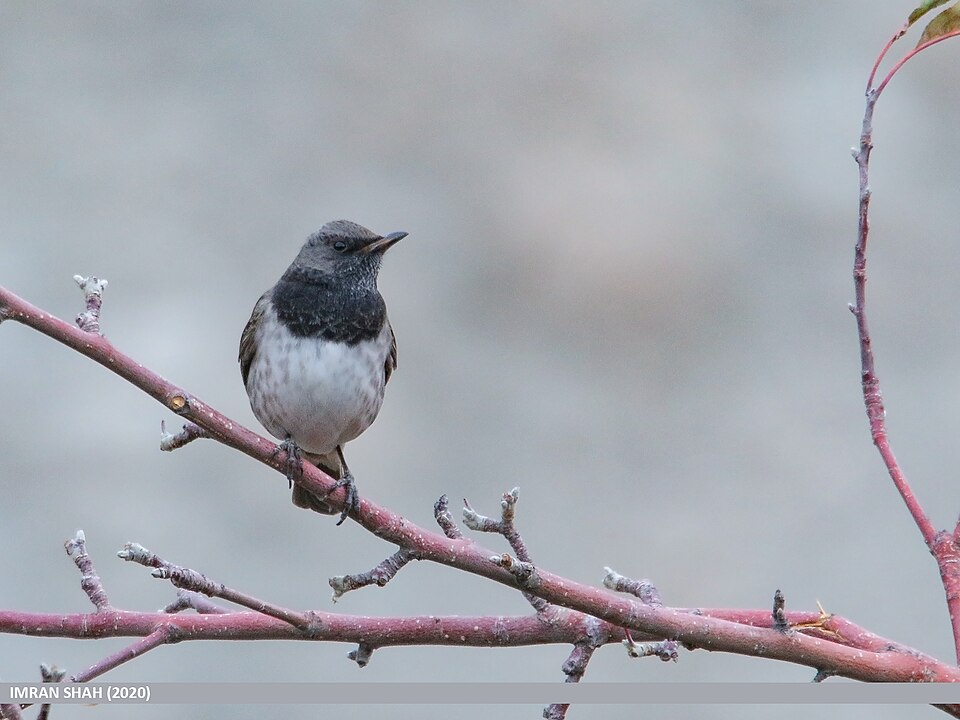 tordo-de-garganta-preta
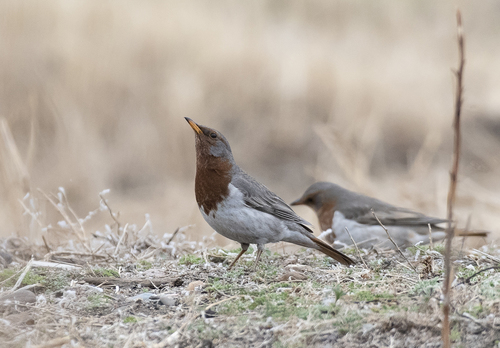 tordo-de-garganta-ruiva
Em resumo
A marca de campo mais confiável entre o tordo-de-garganta-preta e o tordo-de-garganta-ruiva é a cor da garganta em machos adultos: o tordo-de-garganta-preta apresenta uma garganta e peito superiores pretos sólidos, enquanto o tordo-de-garganta-ruiva tem uma mancha de garganta vermelha rica. Fêmeas e imaturos de ambas as espécies são mais complicados, pois não possuem os peitos ousados e, em vez disso, apresentam gargantas escuras ou listradas, tornando a separação muito mais desafiadora. Ambas as espécies têm partes superiores cinzas e partes inferiores pálidas, mas a cor da parte inferior da asa é laranja-avermelhada no tordo-de-garganta-preta e avermelhada no tordo-de-garganta-ruiva. No campo, concentre-se primeiro na cor e no padrão da garganta, depois verifique a cor da parte inferior da asa e o tom geral. Fique atento à variação relacionada à idade e tenha cuidado, pois aves imaturas podem ser especialmente difíceis de separar.
Dicas de identificação
- Cor da garganta do macho adulto: A melhor marca de campo. Machos do tordo-de-garganta-preta têm uma garganta e peito superiores pretos sólidos; machos do tordo-de-garganta-ruiva têm uma mancha de garganta vermelha rica. Isso é diagnóstico quando visto bem.
- Padrão da garganta de fêmeas e imaturos: Ambos não possuem os peitos ousados e, em vez disso, apresentam listras escuras ou negróides na garganta e peito superiores. Isso os torna muito difíceis de separar; não confie apenas na cor da garganta nessas idades.
- Cor da parte inferior da asa: Ambas as espécies apresentam tons avermelhados nas coberturas da parte inferior da asa, mas o tordo-de-garganta-preta tende a ser laranja-avermelhado, enquanto o tordo-de-garganta-ruiva é mais avermelhado. Essa diferença é sutil e nem sempre confiável no campo, especialmente em luz fraca ou em aves em movimento rápido.
- Partes superiores e inferiores: Ambas têm costas cinzas simples e partes inferiores pálidas. Essas características não são úteis para separação.
- Estrutura da cauda e bico: Sem diferenças consistentes; ambos têm forma de cauda e tamanho de bico semelhantes, típicos dos tordos do gênero Turdus.
- Visões de voo: Nenhum padrão ou painel de asa distintivo para qualquer uma das espécies em qualquer idade. Ambas apresentam partes inferiores da asa avermelhadas ou laranja-avermelhadas, mas isso não é um separador forte.
- Armadilhas de sexo e idade: Apenas machos adultos são separados de forma confiável pela cor da garganta. Fêmeas e imaturos de ambas as espécies são muito semelhantes e muitas vezes não podem ser identificados com segurança sem vistas próximas e prolongadas ou exame em mãos.
- Contexto sazonal: No inverno, ambas as espécies podem ocorrer juntas em bandos mistos, especialmente nas partes sul de sua distribuição. Não assuma a espécie com base apenas na estação.
- Contexto geográfico: O tordo-de-garganta-preta é mais ocidental, o tordo-de-garganta-ruiva é mais oriental na época de reprodução, mas ambos podem ocorrer como vagantes muito fora de suas distribuições típicas.
- Comportamento: Ambas as espécies se comportam de maneira semelhante e frequentemente se juntam a bandos mistos de tordos. O comportamento não é um separador.
- Habitat: Ambas usam habitats semelhantes, especialmente no inverno e na migração. Não confie no habitat para separação.
- Voz: Nenhuma diferença vocal distintiva é descrita nas fontes; não use a voz para separação.
- Armadilha – dependência excessiva da cor da garganta em não-machos: Use a cor da garganta como separador apenas em machos adultos. Fêmeas e imaturos não são identificados com segurança por essa marca.
- Armadilha – cor da parte inferior da asa: A cor da parte inferior da asa é sutil e variável; use apenas como uma marca de apoio, não como um separador primário.
- Melhor prática: Para machos adultos, concentre-se na cor da garganta. Para todas as outras idades/sexos, tenha cautela e considere deixar as aves não identificadas se as vistas não forem definitivas.
Tamanho
Ambas as espécies são grandes, robustas e têm estrutura e tamanho geral semelhantes. Não há diferença confiável de tamanho ou forma no campo entre o tordo-de-garganta-preta e o tordo-de-garganta-ruiva; ambos têm uma aparência típica de Turdus, com uma postura forte e ereta e proporções semelhantes. O formato do bico, da cauda e da asa não é útil para separação.
Plumagem
- Machos adultos: Machos do tordo-de-garganta-preta têm uma garganta e peito superiores pretos bem definidos, contrastando com partes superiores cinzas e partes inferiores esbranquiçadas, além de coberturas da parte inferior da asa laranja-avermelhadas. Machos do tordo-de-garganta-ruiva têm uma mancha de garganta vermelha distinta, com partes superiores cinzas e partes inferiores pálidas semelhantes, e coberturas da parte inferior da asa avermelhadas.
- Fêmeas e imaturos: Ambos não possuem os peitos ousados. Em vez disso, apresentam listras escuras ou negróides na garganta e peito superiores, tornando-os muito mais difíceis de separar. A cor da parte inferior da asa permanece uma pista sutil: laranja-avermelhada (tordo-de-garganta-preta) vs avermelhada (tordo-de-garganta-ruiva), mas isso muitas vezes é difícil de julgar no campo. Ambos têm costas cinzas simples. Nenhum padrão distintivo de asa superior juvenil ou de primeiro inverno é descrito para qualquer uma das espécies, portanto, as visões de voo de aves jovens não são diagnósticas.
- Visões de voo: Ambas as espécies apresentam partes inferiores da asa avermelhadas ou laranja-avermelhadas, mas a diferença é sutil e nem sempre confiável. Nenhuma diferença forte de padrão de asa é notada para qualquer idade.
Comportamento
Ambas as espécies se comportam de maneira semelhante, forrageando principalmente no chão e frequentemente se juntando a bandos mistos de tordos no inverno. Elas pousam eretas e são cautelosas, voando para as árvores quando perturbadas. Nenhuma diferença comportamental é descrita que separaria de forma confiável as duas no campo.
Habitat
A sobreposição de habitat é extensa, especialmente na migração e no inverno. O tordo-de-garganta-preta se reproduz do leste da Europa até o oeste da Sibéria e Mongólia, frequentemente em bordas de florestas mistas ou coníferas, especialmente perto de água ou pântanos. O tordo-de-garganta-ruiva se reproduz mais a leste, na Sibéria Oriental e no Norte da Manchúria, mas ambos invernam em regiões sobrepostas do Oeste da China até Mianmar. Ambas as espécies podem ocorrer como vagantes na Europa. O habitat não é um separador confiável onde suas distribuições se sobrepõem.
tordo-de-garganta-preta · tordo-de-garganta-ruiva · Minhas aves difíceis