

Zorzal Papinegro vs Zorzal Papirrojo
Turdus atrogularis frente a Turdus ruficollis
Juega un quiz con Zorzal Papinegro y Zorzal Papirrojo
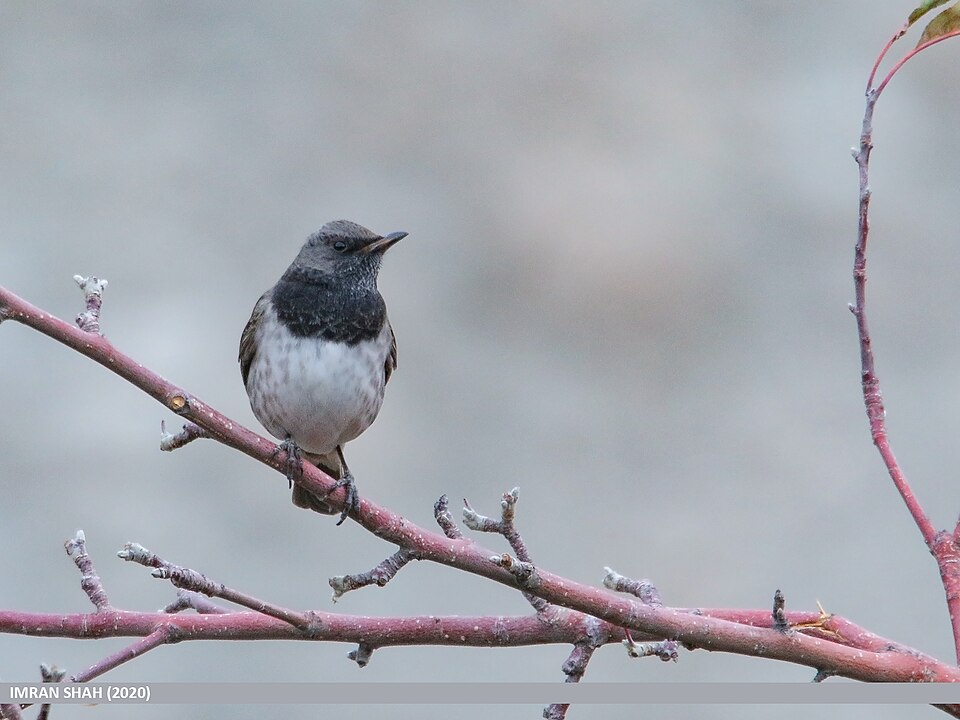 Zorzal Papinegro
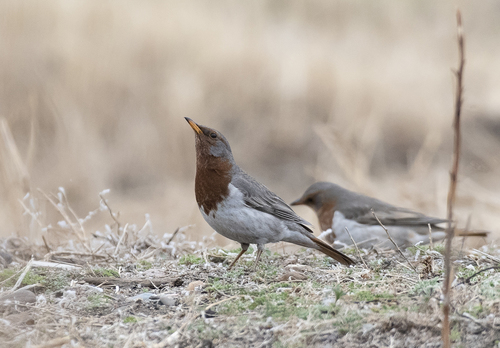 Zorzal Papirrojo
En breve
La marca de campo más confiable entre el Zorzal Papinegro y el Zorzal Papirrojo es el color de la garganta en los machos adultos: el Zorzal Papinegro muestra una garganta y un pecho superior negros sólidos, mientras que el Zorzal Papirrojo tiene un parche de garganta rojo intenso. Las hembras y los inmaduros de ambas especies son más difíciles, ya que carecen de los llamativos baberos y en su lugar muestran gargantas oscuras o estriadas, lo que hace que la separación sea mucho más desafiante. Ambas especies tienen partes superiores grises y partes inferiores pálidas, pero el color de la parte inferior del ala es rojo-naranja en el Zorzal Papinegro y rojizo en el Zorzal Papirrojo. En el campo, concéntrate primero en el color y el patrón de la garganta, luego verifica el color de la parte inferior del ala y el tono general. Observa la variación relacionada con la edad y ten cuidado, ya que los pájaros inmaduros pueden ser especialmente difíciles de separar.
Consejos de identificación
- Color de la garganta del macho adulto: La mejor marca de campo. Los machos del Zorzal Papinegro tienen una garganta y un pecho superior negros sólidos; los machos del Zorzal Papirrojo tienen un parche de garganta rojo intenso. Esto es diagnóstico cuando se ve bien.
- Patrón de la garganta de hembras e inmaduros: Ambas carecen de los llamativos baberos y en su lugar muestran estrías oscuras o negruzcas en la garganta y el pecho superior. Esto las hace muy difíciles de separar; no confíes solo en el color de la garganta en estas edades.
- Color de la parte inferior del ala: Ambas especies muestran tonos rojizos en las cobertoras de la parte inferior del ala, pero el Zorzal Papinegro tiende hacia el rojo-naranja, mientras que el Zorzal Papirrojo es más rojizo. Esta diferencia es sutil y no siempre confiable en el campo, especialmente en condiciones de poca luz o en aves de rápido movimiento.
- Partes superiores e inferiores: Ambas tienen espaldas grises lisas y partes inferiores pálidas. Estas características no son útiles para la separación.
- Estructura de la cola y el pico: No hay diferencias consistentes; ambas tienen una forma de cola y un tamaño de pico similares, típicos de los zorzales del género Turdus.
- Vistas de vuelo: No hay un patrón o panel de alas distintivo para ninguna de las especies en ninguna edad. Ambas muestran partes inferiores del ala rojizas o rojo-naranja, pero esto no es un separador fuerte.
- Trampas de sexo y edad: Solo los machos adultos se separan de manera confiable por el color de la garganta. Las hembras y los inmaduros de ambas especies son muy similares y a menudo no se identifican de manera segura sin vistas cercanas y prolongadas o un examen en mano.
- Contexto estacional: En invierno, ambas especies pueden ocurrir juntas en bandadas mixtas, especialmente en las partes del sur de su rango. No asumas especies basándote solo en la temporada.
- Contexto geográfico: El Zorzal Papinegro es más occidental, el Zorzal Papirrojo más oriental en la temporada de cría, pero ambos pueden ocurrir como vagabundos muy fuera de sus rangos típicos.
- Comportamiento: Ambas especies se comportan de manera similar y a menudo se unen a bandadas mixtas de zorzales. El comportamiento no es un separador.
- Hábitat: Ambas utilizan hábitats similares, especialmente en invierno y migración. No confíes en el hábitat para la separación.
- Voz: No se describen diferencias vocales distintivas en las fuentes; no uses la voz para la separación.
- Trampa – dependencia excesiva del color de la garganta en no machos: Usa el color de la garganta como separador solo en machos adultos. Las hembras y los inmaduros no se identifican de manera segura por esta marca.
- Trampa – color de la parte inferior del ala: El color de la parte inferior del ala es sutil y variable; úsalo solo como una marca de apoyo, no como un separador principal.
- Mejor práctica: Para machos adultos, concéntrate en el color de la garganta. Para todas las demás edades/sexes, ejerce precaución y considera dejar a las aves no identificadas si las vistas no son definitivas.
Tamaño
Ambas especies son grandes, robustos zorzales con una estructura y tamaño general similares. No hay una diferencia confiable de tamaño o forma en el campo entre el Zorzal Papinegro y el Zorzal Papirrojo; ambos tienen un típico jizz de Turdus con una postura fuerte y erguida y proporciones similares. La forma del pico, la cola y las alas no son útiles para la separación.
Plumaje
- Machos adultos: Los machos del Zorzal Papinegro tienen una garganta y un pecho superior negros bien definidos, en contraste con partes superiores grises y partes inferiores blanquecinas, además de cobertoras de la parte inferior del ala rojo-naranja. Los machos del Zorzal Papirrojo tienen un parche de garganta rojo distintivo, con partes superiores grises y partes inferiores pálidas similares, y cobertoras de la parte inferior del ala rojizas.
- Hembras e inmaduros: Ambas carecen de los llamativos baberos de garganta. En su lugar, muestran estrías oscuras o negruzcas en la garganta y el pecho superior, lo que las hace mucho más difíciles de separar. El color de la parte inferior del ala sigue siendo una pista sutil: rojo-naranja (Zorzal Papinegro) vs rojizo (Zorzal Papirrojo), pero esto a menudo es difícil de juzgar en el campo. Ambas tienen espaldas grises lisas. No se describe un patrón distintivo de alas superiores juveniles o de primer invierno para ninguna de las especies, por lo que las vistas de vuelo de aves jóvenes no son diagnósticas.
- Vistas de vuelo: Ambas especies muestran partes inferiores del ala rojizas o rojo-naranja, pero la diferencia es sutil y no siempre confiable. No se notan diferencias fuertes en el patrón de alas para ninguna edad.
Comportamiento
Ambas especies se comportan de manera similar, forrajeando principalmente en el suelo y a menudo uniéndose a bandadas mixtas de zorzales en invierno. Se posan erguidos y son cautelosos, volando hacia los árboles cuando se sienten perturbados. No se describen diferencias de comportamiento que separen de manera confiable a las dos en el campo.
Hábitat
La superposición de hábitat es extensa, especialmente en migración e invierno. El Zorzal Papinegro cría desde Europa oriental hasta Siberia occidental y Mongolia, a menudo en bordes de bosques mixtos o de coníferas, especialmente cerca de agua o pantanos. El Zorzal Papirrojo cría más al este, en Siberia oriental y el norte de Manchuria, pero ambos invernan en regiones superpuestas desde el oeste de China hasta Myanmar. Ambas especies pueden ocurrir como vagabundos en Europa. El hábitat no es un separador confiable donde sus rangos se superponen.