

Tordo golanera vs Tordo golarossa
Turdus atrogularis contro Turdus ruficollis
Fai un quiz con Tordo golanera e Tordo golarossa
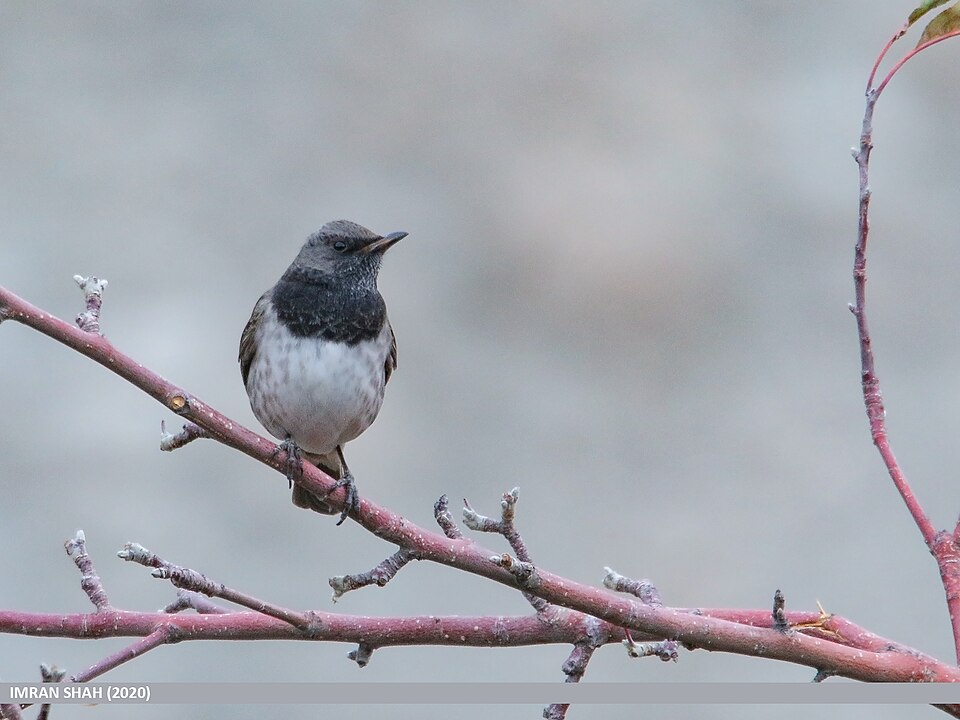 Tordo golanera
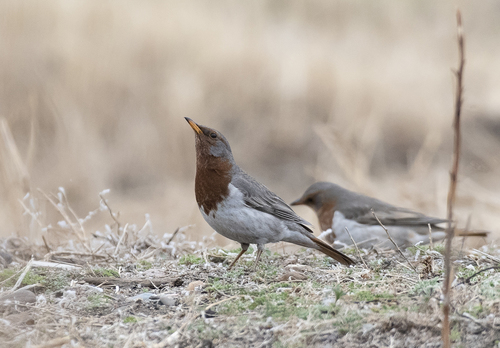 Tordo golarossa
In breve
Il segno di campo più affidabile tra Tordo golanera e Tordo golarossa è il colore della gola nei maschi adulti: il Tordo golanera mostra una gola e un petto superiore neri solidi, mentre il Tordo golarossa ha una macchia di gola rossa intensa. Le femmine e gli immaturi di entrambe le specie sono più difficili da distinguere, poiché mancano delle bold bibs e mostrano invece gole scure o striate, rendendo la separazione molto più impegnativa. Entrambe le specie hanno parti superiori grigie e parti inferiori chiare, ma il colore della parte inferiore dell'ala è rosso-arancio nel Tordo golanera e rossastro nel Tordo golarossa. Sul campo, concentrati prima sul colore e sul motivo della gola, poi controlla il colore della parte inferiore dell'ala e il tono generale. Fai attenzione alla variazione legata all'età e stai attento che gli uccelli immaturi possono essere particolarmente difficili da separare.
Consigli di identificazione
- Colore della gola del maschio adulto: Il segno di campo migliore. I maschi di Tordo golanera hanno una gola e un petto superiore neri solidi; i maschi di Tordo golarossa hanno una macchia di gola rossa intensa. Questo è diagnostico quando visto bene.
- Motivo della gola di femmine e immaturi: Entrambi mancano delle bold bibs e mostrano invece striature scure o nerastre sulla gola e sul petto superiore. Questo li rende molto difficili da separare; non fare affidamento solo sul colore della gola in queste età.
- Colore della parte inferiore dell'ala: Entrambe le specie mostrano toni rossastri nei copritrici della parte inferiore dell'ala, ma il Tordo golanera tende verso il rosso-arancio, mentre il Tordo golarossa è più rossastro. Questa differenza è sottile e non sempre affidabile sul campo, specialmente in scarsa illuminazione o su uccelli in rapido movimento.
- Parti superiori e parti inferiori: Entrambi hanno schiene grigie semplici e parti inferiori chiare. Queste caratteristiche non sono utili per la separazione.
- Struttura della coda e del becco: Nessuna differenza consistente; entrambi hanno una forma della coda e dimensioni del becco simili tipiche dei Turdus.
- Visioni in volo: Nessun motivo distintivo delle ali o pannello per entrambe le specie a qualsiasi età. Entrambi mostrano parti inferiori dell'ala rossastre o rosso-arancio, ma questo non è un forte separatore.
- Trappole relative a sesso e età: Solo i maschi adulti sono separati in modo affidabile dal colore della gola. Le femmine e gli immaturi di entrambe le specie sono molto simili e spesso non possono essere identificati in modo sicuro senza osservazioni ravvicinate e prolungate o esami a mano.
- Contesto stagionale: In inverno, entrambe le specie possono verificarsi insieme in stormi misti, specialmente nelle parti meridionali del loro areale. Non assumere la specie basandosi solo sulla stagione.
- Contesto geografico: Il Tordo golanera è più occidentale, il Tordo golarossa più orientale nella stagione di nidificazione, ma entrambe possono verificarsi come vagabondi lontano dai loro areali tipici.
- Comportamento: Entrambe le specie si comportano in modo simile e spesso si uniscono a stormi misti di tordi. Il comportamento non è un separatore.
- Habitat: Entrambe utilizzano habitat simili, specialmente in inverno e migrazione. Non fare affidamento sull'habitat per la separazione.
- Voce: Non sono descritte differenze vocali distintive; non utilizzare la voce per la separazione.
- Trappola – eccessivo affidamento sul colore della gola nei non maschi: Utilizzare il colore della gola come separatore solo nei maschi adulti. Le femmine e gli immaturi non possono essere identificati in modo sicuro da questo segno.
- Trappola – colore della parte inferiore dell'ala: Il colore della parte inferiore dell'ala è sottile e variabile; utilizzare solo come segno di supporto, non come separatore primario.
- Migliore pratica: Per i maschi adulti, concentrati sul colore della gola. Per tutte le altre età/sessi, esercita cautela e considera di lasciare gli uccelli non identificati se le osservazioni non sono definitive.
Taglia
Entrambe le specie sono grandi, robusti tordi con struttura e dimensioni complessive simili. Non ci sono differenze affidabili di dimensione o forma sul campo tra Tordo golanera e Tordo golarossa; entrambi hanno un tipico aspetto di Turdus con una postura forte e eretta e proporzioni simili. La forma del becco, della coda e delle ali non è utile per la separazione.
Piumaggio
- Maschi adulti: I maschi di Tordo golanera hanno una gola e un petto superiore neri ben definiti, in contrasto con le parti superiori grigie e le parti inferiori bianche, oltre a copritrici della parte inferiore dell'ala rosso-arancio. I maschi di Tordo golarossa hanno una macchia di gola rossa distintiva, con parti superiori grigie e parti inferiori chiare simili, e copritrici della parte inferiore dell'ala rossastre.
- Femmine e immaturi: Entrambi mancano delle bold bibs. Invece, mostrano striature scure o nerastre sulla gola e sul petto superiore, rendendoli molto più difficili da separare. Il colore della parte inferiore dell'ala rimane un indizio sottile: rosso-arancio (Tordo golanera) vs rossastro (Tordo golarossa), ma questo è spesso difficile da giudicare sul campo. Entrambi hanno schiene grigie semplici. Non è descritto alcun motivo distintivo delle ali per i giovani uccelli, quindi le osservazioni in volo di giovani uccelli non sono diagnostiche.
- Visioni in volo: Entrambe le specie mostrano parti inferiori dell'ala rossastre o rosso-arancio, ma la differenza è sottile e non sempre affidabile. Non sono notate forti differenze nel motivo delle ali per nessuna età.
Comportamento
Entrambe le specie si comportano in modo simile, foraggiando principalmente a terra e spesso unendosi a stormi misti di tordi in inverno. Si posano eretti e sono diffidenti, volando sugli alberi quando disturbati. Non sono descritte differenze comportamentali che possano separare in modo affidabile le due specie sul campo.
Habitat
L'overlap degli habitat è esteso, specialmente in migrazione e inverno. Il Tordo golanera nidifica dall'Europa orientale alla Siberia occidentale e alla Mongolia, spesso ai margini di foreste miste o conifere, specialmente vicino all'acqua o alle paludi. Il Tordo golarossa nidifica più a est, in Siberia orientale e nella Mongolia settentrionale, ma entrambe svernano in regioni sovrapposte dalla Cina occidentale al Myanmar. Entrambe le specie possono verificarsi come vagabondi in Europa. L'habitat non è un separatore affidabile dove i loro areali si sovrappongono.